
The 2025/2026 season at the Mariinsky Theatre has been a season of new faces. One of the most notable is the ballet company’s first soloist Yana Peneva, who made her debut this season as Kitri in Don Quixote, Princess Masha in The Nutcracker, Gamzatti in La Bayadère, Gulnare in Le Corsaire, and several other roles.
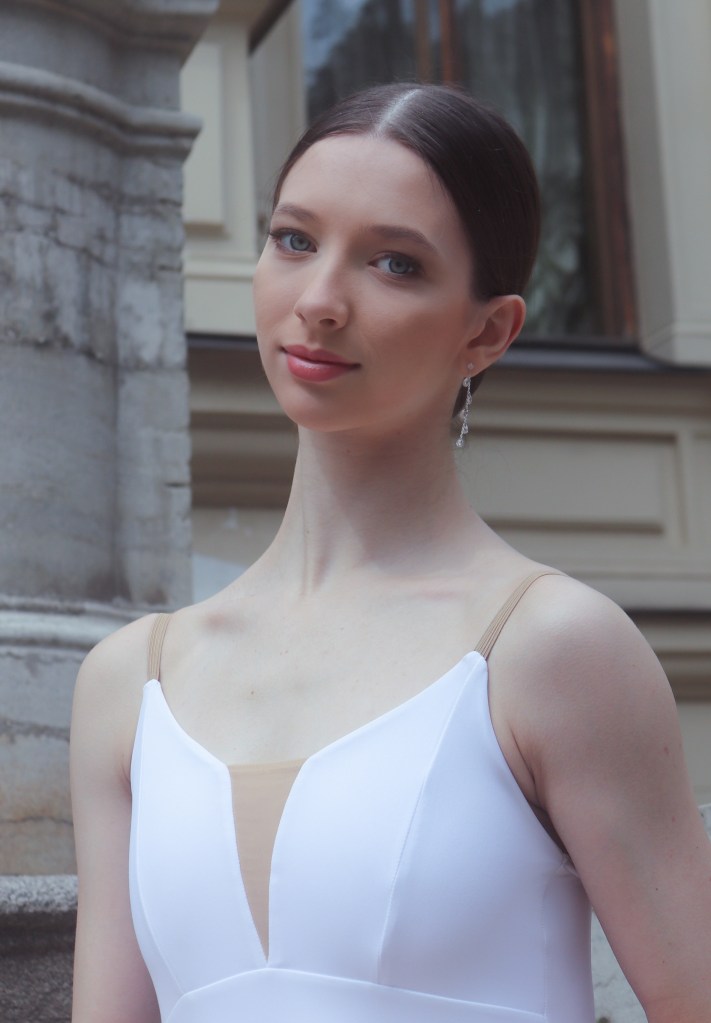
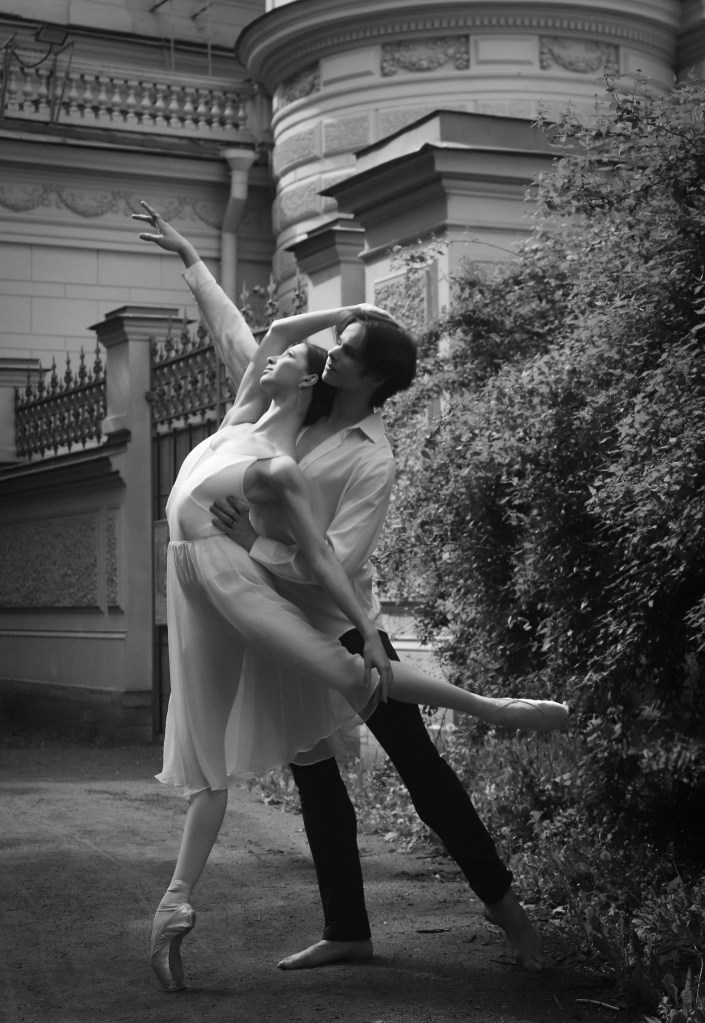
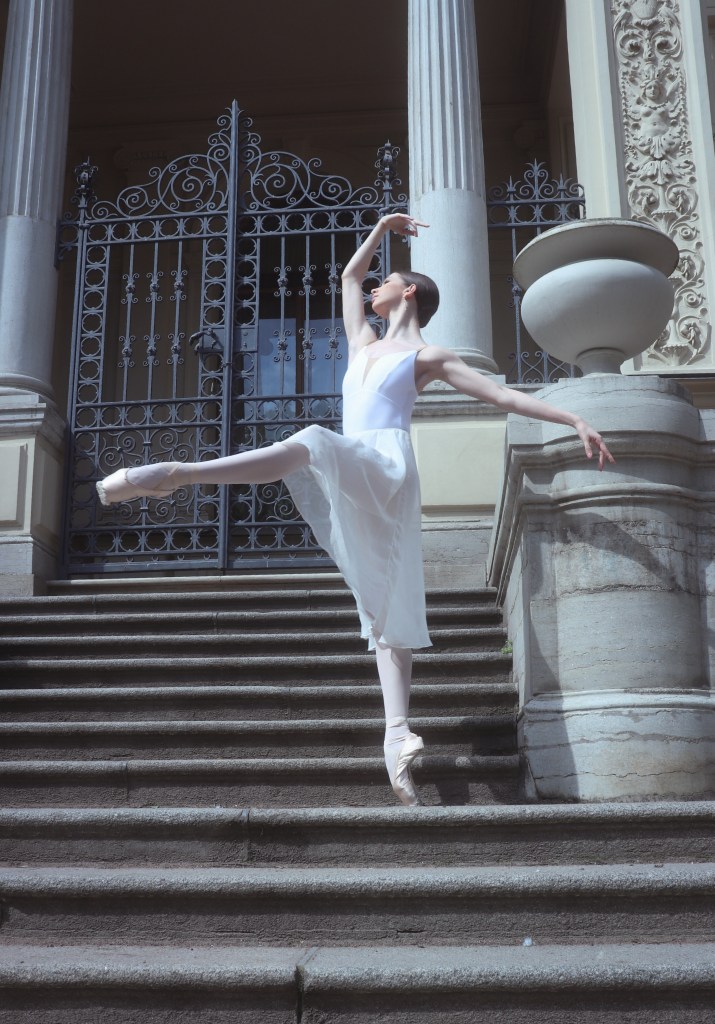
Photos: Yana Peneva and Alexei Orohovsky by Julia Sumzina (2026)
Born in the USA to a family of Bulgarian origin, Yana Peneva is a graduate of the John Cranko School in Stuttgart. She spent her first professional season with the Stuttgart Ballet, joining the corps de ballet and being promoted to soloist six months later. There she performed roles in such ballets as John Neumeier’s Anna Karenina (Kitty), Maximiliano Guerra’s Don Quixote (Kitri’s Friend, Lady of the Dryads), Kenneth MacMillan’s Song of the Earth, and others. While still a student, Peneva distinguished herself at various competitions, including the Youth America Grand Prix, the Universal Ballet Competition, and the Youth International Ballet Competition.
Among the string of debuts, I would like to highlight three of the most curious ones that took place in the second half of the season, all of them in roles requiring different technical and dramatic interpretations: the light and lively Gulnare in Le Corsaire, the willful and stately Gamzatti in La Bayadère, and the expressive and selfless Ramzé in The Pharaoh’s Daughter.
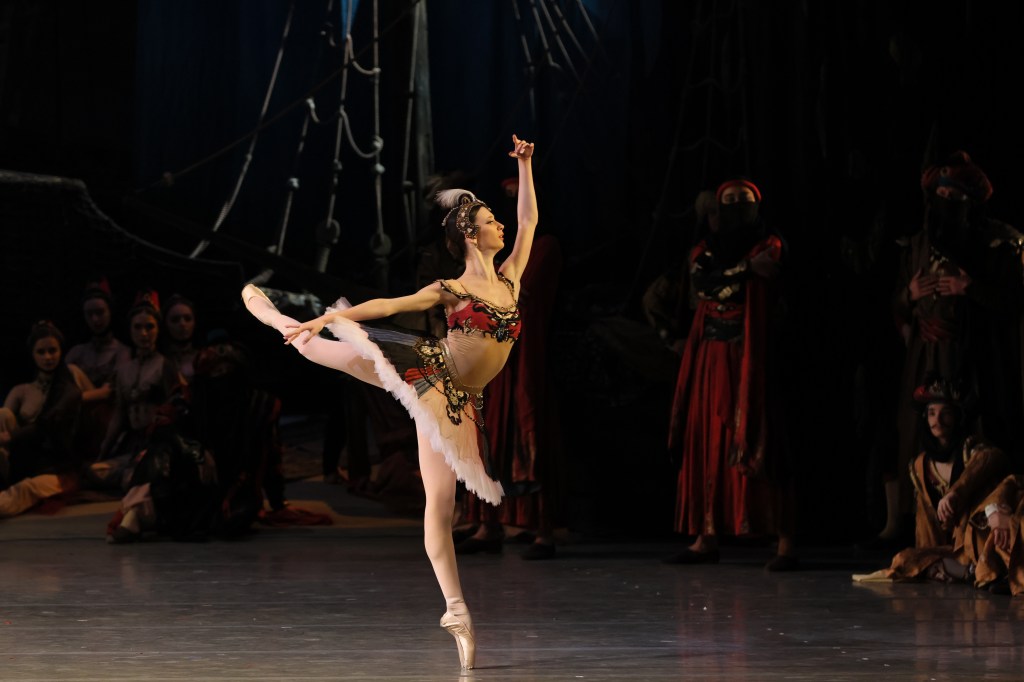
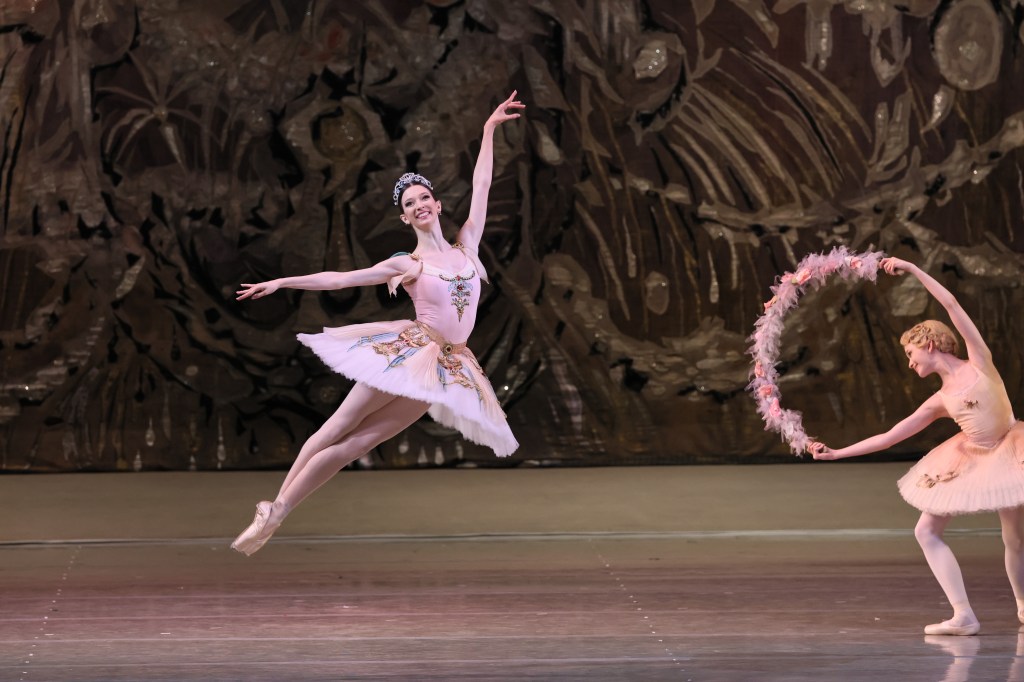
Photos: Le Corsaire. Natasha Razina (2026) © Mariinsky theatre
At the evening performance of Le Corsaire on April 28, the audience was treated to two debuts: Ryoma Hudzeleu, who I have already reviewed, as Lankedem, and Yana Peneva as Gulnare. Peneva combined lightness with precision, complemented by soft port de bras, graceful arabesques, and her characteristic confident balance. The expressiveness of the Pas d’Esclave and the tenderness of her variation in Le Jardin Animé came together to create a youthful and distinctive portrayal of the character.
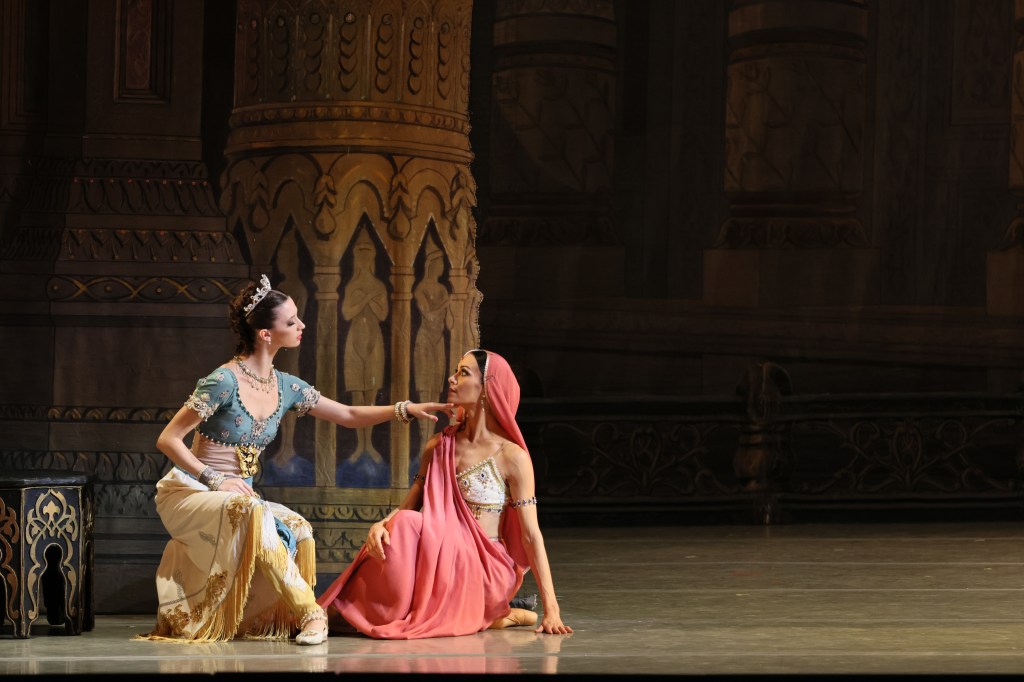
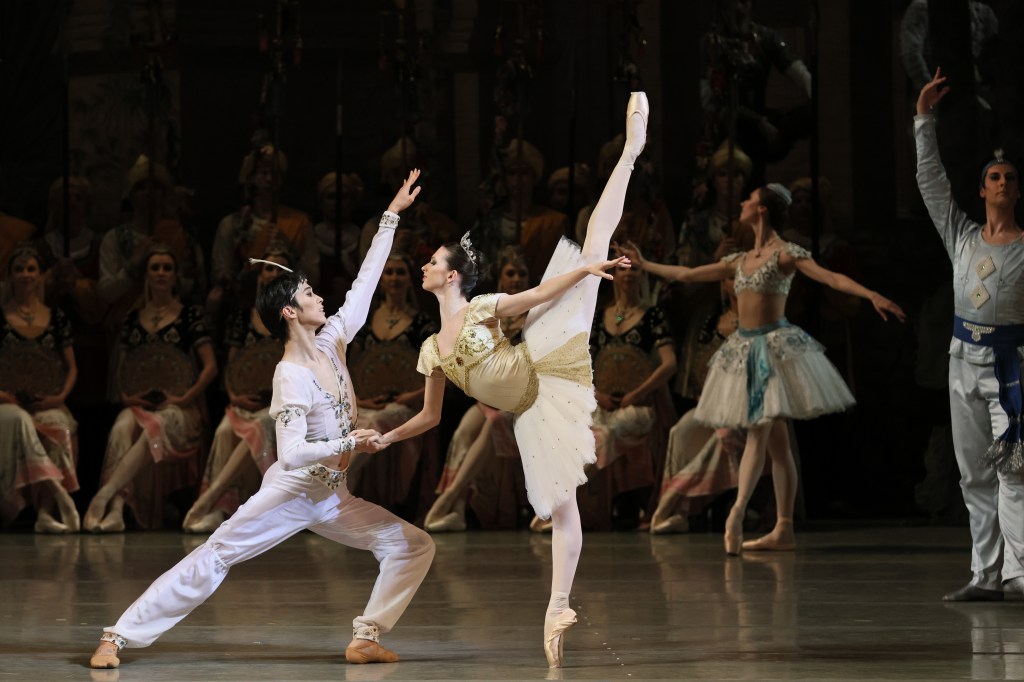
Photos: La Bayadère. Natasha Razina (2026) © Mariinsky theatre
On May 24, Peneva debuted in the role of Gamzatti in La Bayadère, partnering Minchul Jeon as Solor. Jeon’s soaring jump, beautifully arched feet, refined nobility, and soft, elegant manner were complemented by Peneva’s classical lines and confident Italian fouettés, performed at a natural, unhurried tempo. Their remarkable synchronicity and mutual awareness on stage created a convincing partnership. It is worth mentioning Peneva’s pantomime in the first act, where, in Gamzatti’s meeting with Nikiya, she revealed a willful and jealous young woman determined to defend what she believed to be rightfully hers.
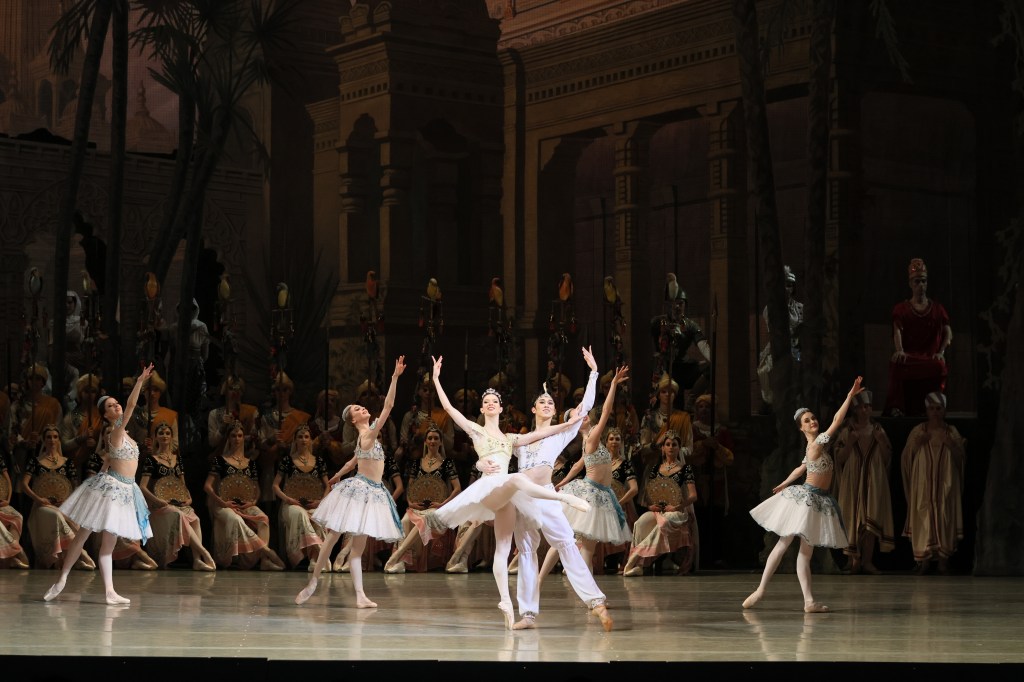
Photo: La Bayadère. Natasha Razina (2026) © Mariinsky theatre
In The Pharaoh’s Daughter on June 13, Peneva revealed another side of her artistry as Ramzé, combining technical skill with youthful charm, quickness, and theatrical freedom. Her lively stage presence and musicality brought out the character’s freshness and spontaneity. Together with Maria Khoreva as Aspicia, Peneva created a harmonious partnership, highlighting Ramzé’s selflessness and courage. She handled Tony Candeloro’s distinctive choreography, which closely follows the spirit and structure of Marius Petipa’s original, bringing out both the virtuosity and theatrical richness of the role.
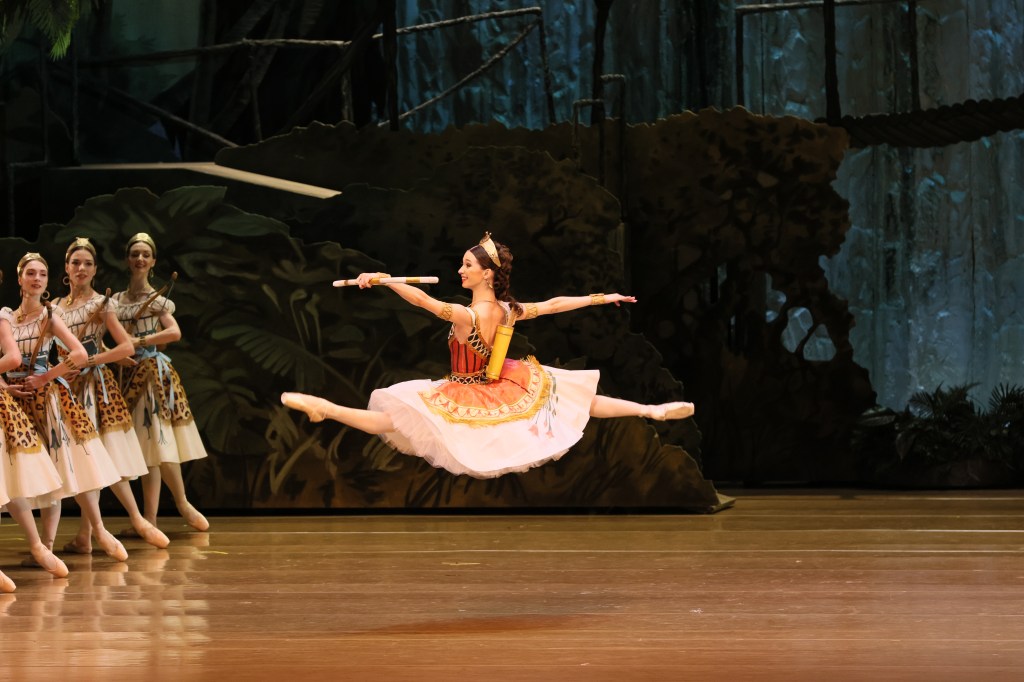
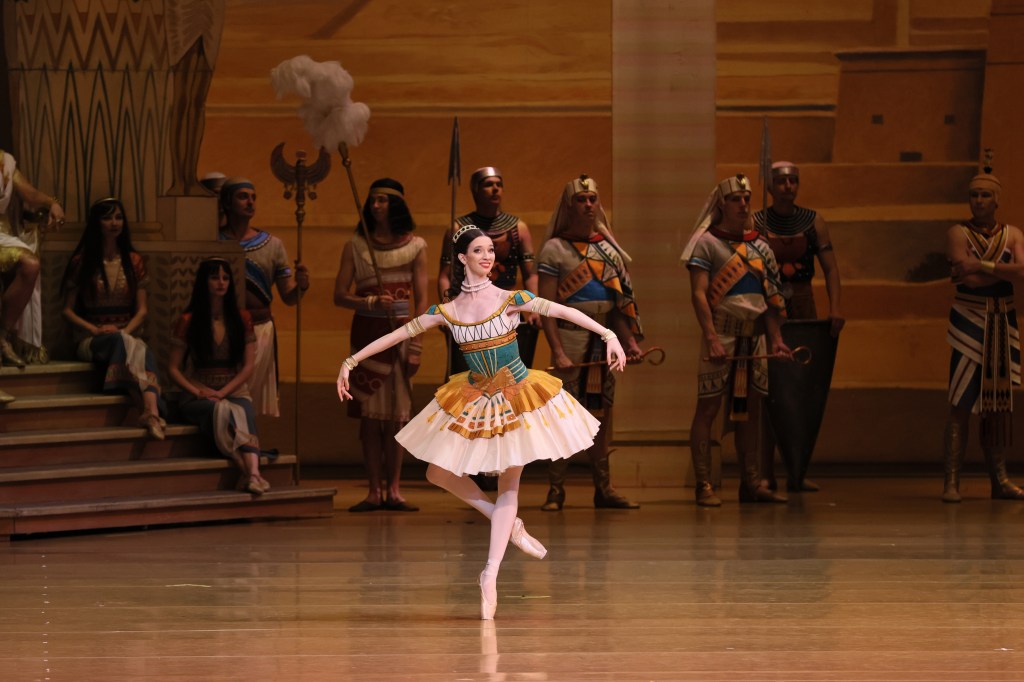
Photos: The Pharaoh’s Daughter. Natasha Razina (2026) © Mariinsky theatre
Beyond her Mariinsky debuts, the 2025/2026 season also included several important appearances. At the Mariinsky Ballet Gala, Peneva performed the Pas de deux of Diana and Acteon from Esmeralda with Alexei Orohovsky, as well as Vyacheslav Samodurov’s contemporary choreography set to music by Henry Purcell. Their performances demonstrated not only Peneva’s versatility but also the strong artistic connection between them.
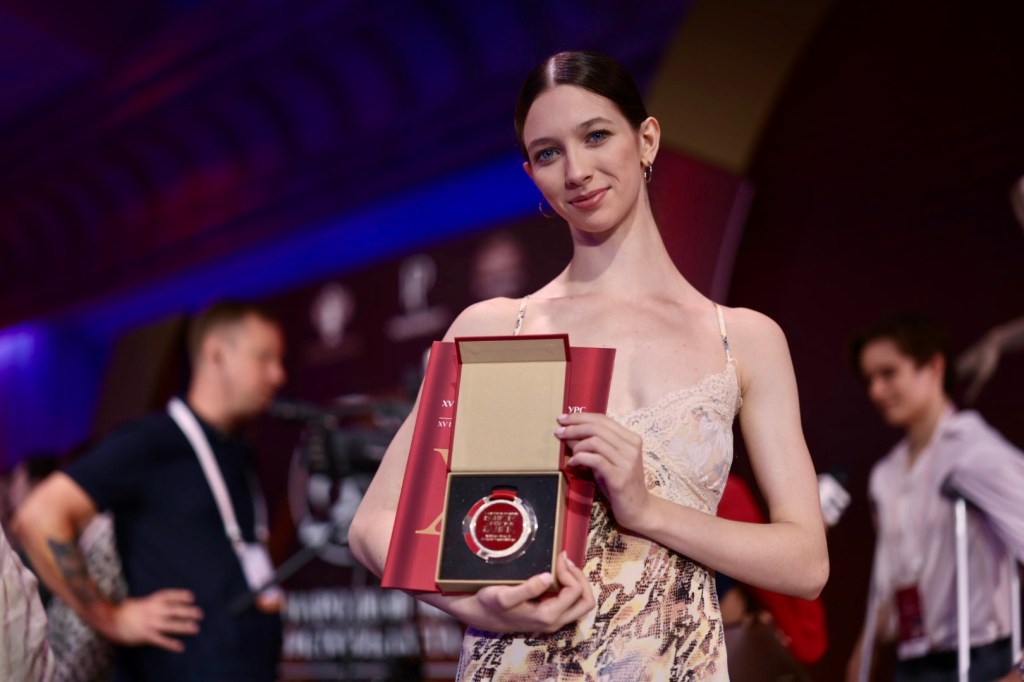
© International Ballet Competition in Moscow
Later, at the XV International Ballet Competition in Moscow, Peneva and Orohovsky won the Gold Medal in the Junior Duets category. Their achievement was especially remarkable as Orohovsky suffered an injury shortly before the third final round, yet the duo continued to show their dedication and professionalism on stage.
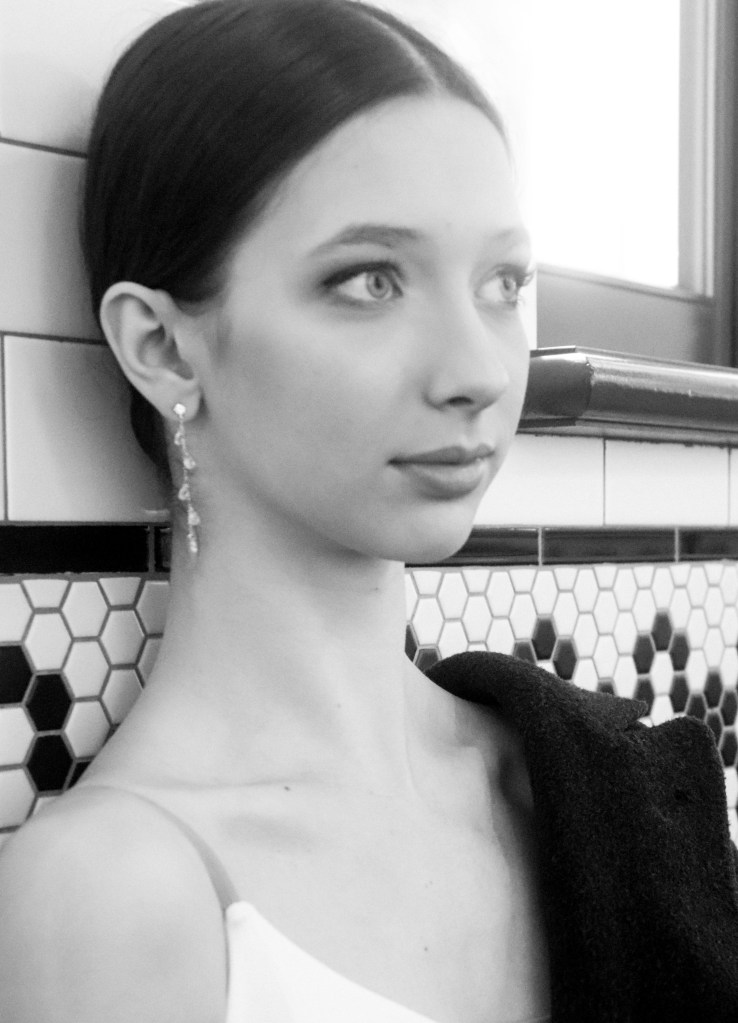
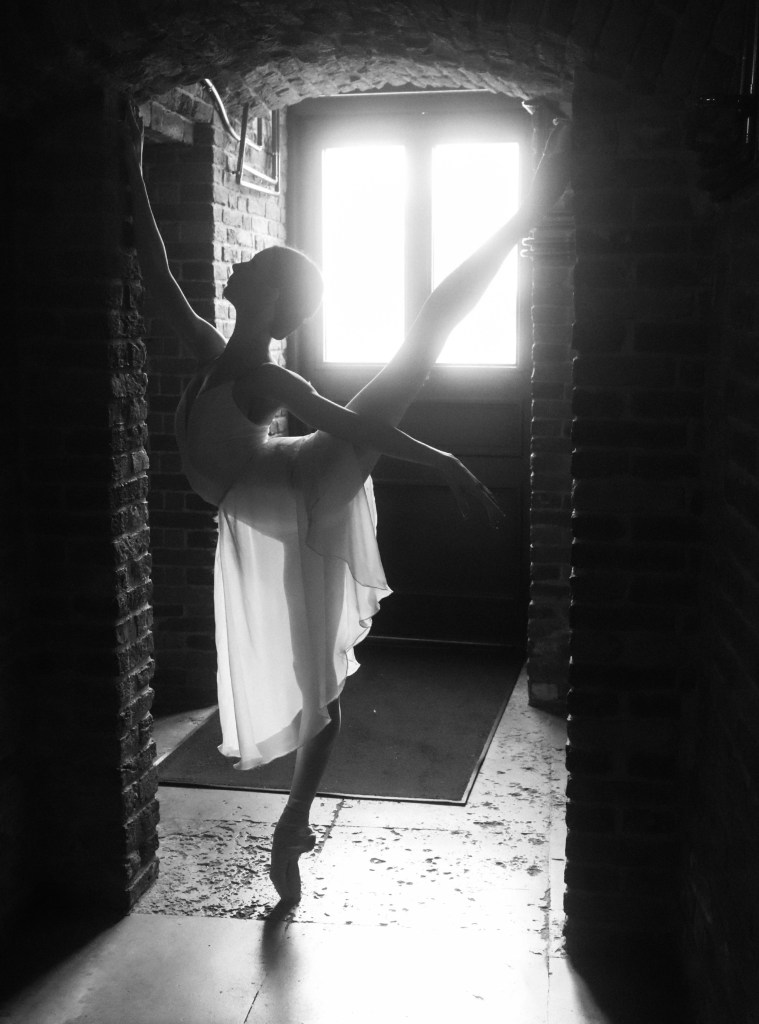
Photos: Yana Peneva by Julia Sumzina (2026)
***
Among those who have followed Peneva’s artistic journey from an early age is Natalia Bashkatova, Assistant Artistic Director and Head of the U.S. Regional Scholarship Department at Youth America Grand Prix. Bashkatova became Peneva’s mentor when she was still a young student. In our conversation, she tells a little about herself and recalls the qualities that first distinguished Yana in her childhood.
“My name is Natalia Bashkatova. I graduated from the Bolshoi Ballet Academy in 1990, Class studying under Yelena Ryabinkina, and danced as a principal dancer in Yuri Grigorovich’s studio company on the Bolshoi Theatre stage for five wonderful years. In 1995, I moved to the U.S. to continue my career. I retired in 2017 and began teaching and coaching—that’s when I met Yana. Now, I’m Assistant Artistic Director and Head of U.S. Regional Scholarship Department at Youth America Grand Prix, the world’s largest ballet competition. I live in Orlando, Florida—and when Yana visits, she’s often just 15 minutes away!
I shared the stage with some of the greatest ballerinas of that generation—Natalia Igorevna Bessmertnova, Nadezhda Pavlova, and Lyudmila Semenyaka. It was a difficult time in Russia then, with many changes, especially when Yuri Nikolayevich Grigorovich left the Bolshoi in 1995. That’s when I made the decision to leave too, as I always considered myself a ballerina of his repertoire. In my five years with the Bolshoi, I danced Odette-Odile in Swan Lake, Raymonda in Raymonda, Myrtha in Giselle, Lilac Fairy in Sleeping Beauty, the Indian Dance in Nutcracker, and also danced the role of Lyuska in The Golden Age—a wonderful role, though that ballet isn’t performed now in Bolshoi. I’ve missed Bolshoi stage every single second of my life.”
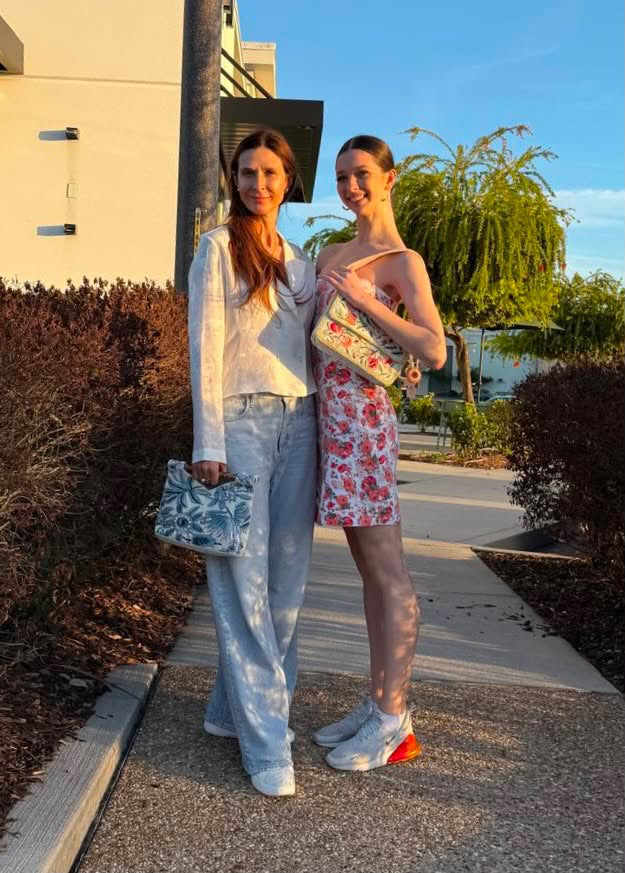
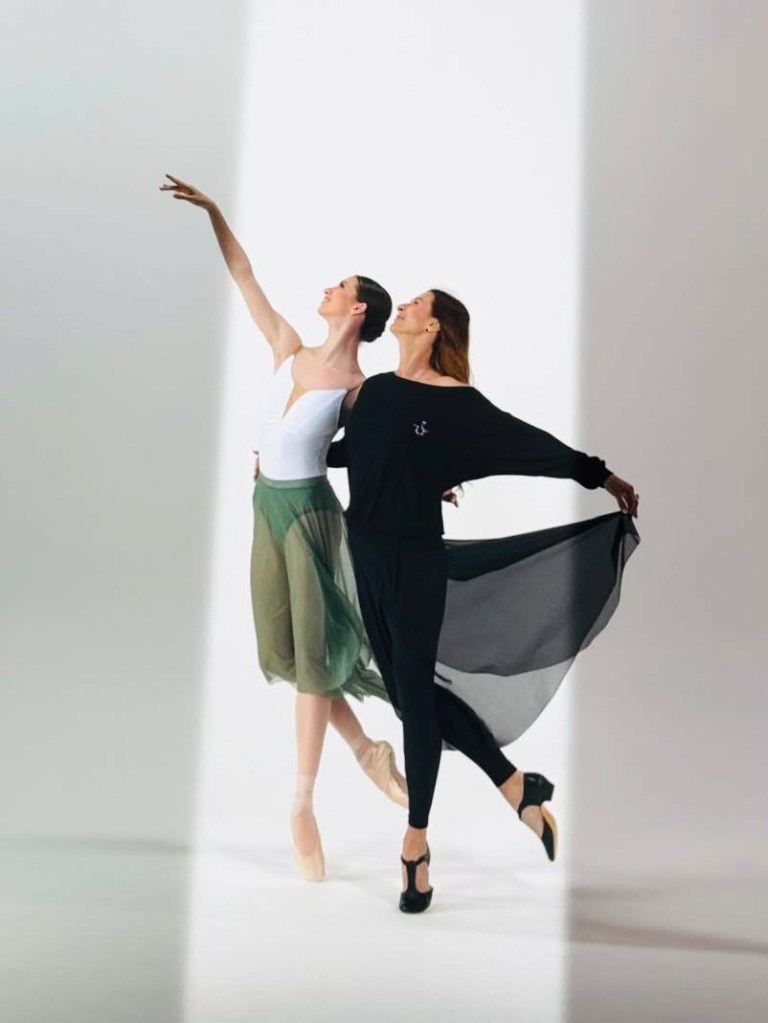
Photos: from Natalia Bashkatova’s personal archive
Could you tell us a little about how you first met Yana and how her journey in ballet began?
I first met Yana in a small Orlando studio when she was around 12 or just turned 13. She was this fragile, blue color wide-eyed girl, very different from mature teenagers you often see in America . But what struck me was her spirit—stubborn in the best way, eager to learn, and unstoppable. I knew right away that with that determination, I could help her grow into something amazing. She didn’t start with perfect lines or archy feet—those she built herself through hard work. What caught my attention was how she connected movement naturally. I knew I could shape her technique. Eventually, she went to John Cranko School in Germany, studying with my own teacher, Galina Solovyova. Ironically, she was guided by Russian teachers all along—from her first teacher, then me, and finally Galina. She took classes with American teachers too, of course, but her main development followed that Russian technique. Every step of the way, though, it was her determination that made her who she is. When I saw her move through contemporary dance, it struck me how amazing she was in that style too. For a long time, when she competed at Youth America Grand Prix, many saw her more as a contemporary dancer. Not everyone believed she’d become a classical ballerina. But I always knew—under the surface, I could see she had something special. Now, some might say she’s too confident on stage, but that’s exactly the quality a star needs. She’s still young, but I have a strong feeling that one day, she will be a big star in ballet.
When did you first realize that Yana was an exceptional talent?
What struck me first was that coordination, how she connected every movement. I often think of her like a cat—not literally throwing one, but you know, a cat always lands on its paws. No matter what movement or even if there’s a little mistake, she lands or transitions with grace. That quality stood out right away. Everything else—teaching her the ballet technique—was something I knew I could guide.
What would you say are Yana’s key character traits?
Yana always knew she didn’t have that stereotypical perfect ballet physique—she knew her lines or feet weren’t what some might call ideal. But that’s exactly where her character shone. She realized she could break through anything with hard work. Sure, there were moments when she wasn’t engaged, and it still makes me smile thinking about it, but I could always wake her up. With her, I could be strict, even tough, and I knew she wouldn’t break down. She took every critique as fuel. That built her confidence—when she dances, I don’t feel nervous. I trust her. And that trust reflects back in her confidence. In Russian, we call it “aplomb”—that presence, that charm, that ownership of the stage. She has it, and it’s part of what makes her shine.
How has Yana changed since you first met her?
The funny thing is, Yana hasn’t really changed much since I met her. She’s still that sweet, smiling, grounded girl. Coming from a humble Bulgarian immigrant family, she’s always stayed down to earth. Even now, at just 19, with awards and achievements, she’s still the same. We’re more like friends now, though I still mentor her. I just make sure she doesn’t step into anything silly. It’s not about being her agent—it’s like being a trusted guide, someone I wish I had at her age. Ballet is tough, and you need people around you. I’ve just got this instinct to protect her. Despite all her success, we still laugh, eat out, have fun, and chat like we always did. She’s just as grounded and fun—going to the park, movies, shopping, all that girly stuff.
How does she usually respond to setbacks or constructive criticism?
As I mentioned before, when criticism is constructive, logical, and comes from a good place, Yana truly listens. There was a moment after she joined Stuttgart Ballet—she had an invitation from the Mariinsky after that—where I saw her class and noticed she was losing some of the Vaganova upper-body qualities we’d worked on. I had to tell her. She did cry, but I knew those tears meant she’d go back and work even harder. And she did. It’s normal for young dancers to lose some qualities in those first years in a company. But I kept reminding her, and she became immune to fear of criticism. With me, she was always responsive, taking every note to heart. Now she’s working with Ekaterina Osmolkina at Mariinsky, and I know she’ll take critiques there just as seriously. Yana always does her best to improve.
What do you hope audiences will notice first when they watch Yana perform?
When the audience sees Yana, first, they see she’s beautiful. Second, she draws them in completely—she swallows them with her energy, and you can’t take your eyes off her. Third, her confidence and technical strength stand out. I always say: when it comes to the big classical roles, it’s not just about pretty lines or feet—if you can’t deliver those fouettés and other technical difficulties, you won’t do the role. Yana can. She’s strong technically, and that’s what they notice.
Are there any memorable stories about Yana that you’d like to share with us?
One of the most memorable stories was when Yana was competing at Youth America Grand Prix. She was so eager that she danced three variations instead of two. In her final one, she jumped onto stage, but something was off. I thought she was just tired. After she finished, she told me she thought her foot was broken. Turns out, she’d fractured her foot on the first jump and danced the whole variation like that. Not only that—she had to quickly adjust her contemporary routine. She did it all. That year, she won the Grand Prix. She received her award on crutches, heartbroken because she had to miss another competition. But that moment showed me again—she’s tough, and I know she’ll blossom into something extraordinary.
Besides ballet, Yana absolutely loves animals. When she’s in St. Petersburg, we often jump on video calls, and instead of talking ballet, we’re showing off our pets. I show her my puppy, we talk about her bunny, and she dreams of getting a cat. She’s a huge animal lover—if she had her way, she’d probably adopt every cat and dog she sees. It’s just another side of her warmth and big heart.
Text and interview: Julia Sumzina
Photos: Natasha Razina (2026) © Mariinsky theatre; Julia Sumzina; from Natalia Bashkatova’s personal archive


Leave a Reply