
The International Ballet Competition in Moscow has been held every four years since 1969, when gold medals were won by Francesca Zumbo, Malika Sabirova, Nina Sorokina, Patrice Bart, Mikhail Baryshnikov, and Yuri Vladimirov. The competition traditionally attracts participants from various countries in both Senior and Junior categories.

Photo: ©International Ballet Competition in Moscow
This year’s edition once again brought together dancers from around the world and produced an interesting field of laureates. In the Junior Group, Huang Crystal received the Gold Medal in the girls’ solo category, followed by Victoria Sokolova with Silver and Sakura Nagai with Bronze. Diplomas were awarded to Ekaterina Pichkova and Eleonora Shaidullina. In the girls’ duet category, Yana Peneva won Gold, Anna Bylkova Silver, and Nika Skrebkova and Zhou Litong shared Bronze, while Enkhjin Lkhagvapurev received a diploma.
In the junior boys’ solo division, Pak Kunbyulbit won Gold. Denis Watanabe and Elisey Volkov shared the Silver Medal, while Egor Arkhipov and Andrey Grachev received Bronze. Diplomas were awarded to Ilya Milovanov and Sergey Krinetsky. In the boys’ duet category, Alexei Orohovsky received Gold, Vid Vogrin and Alexander Dmitriev shared Silver, and Dulguun Batbold won Bronze. Diplomas were presented to Yang Tongyu and Jason Ernesto Baró Benavides. Sofia Maimula received the Partnership Prize in the Junior Group.
The Senior Group proved even more selective. In the women’s solo category, no First or Second Prize was awarded; Jana Zimonjic received Bronze and Nilay Tahiroglu was awarded a diploma. Kim Minjin won Gold in the women’s duet category, while Zhang Yikun received Silver.
Among the senior men, Ryoma Hudzeleu was awarded the Gold Medal in the solo category, followed by Anvar Akib with Silver. Dmitry Sobolev and Razmik Marukyan shared the Bronze Medal, while Thiago Victor Alves Santana, Danil Zinovyev, and Arseniy Sheinin received diplomas. In the men’s duet category, Lee Kangwon won Gold, Auguste Marmus received Bronze, and Vladislav Bashmakov was awarded a diploma. The Senior Partnership Prize was presented to Wang Zhanfeng.
Among the medalists and diploma recipients, several dancers attracted particular attention with performances that stood out throughout the competition.
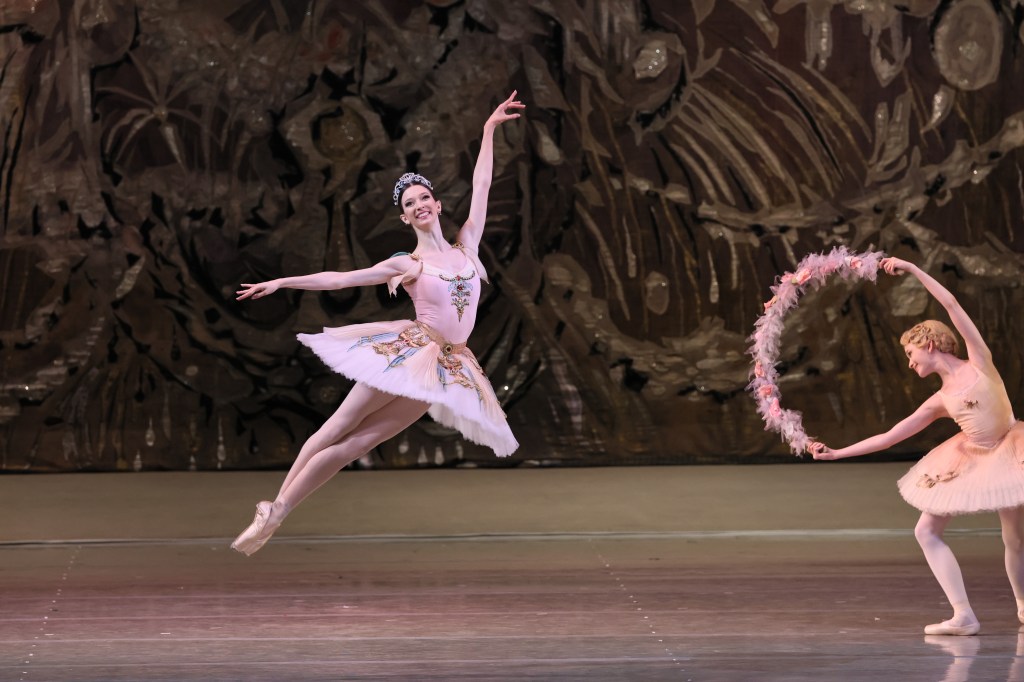
In the Junior Group, Yana Peneva and Alexei Orohovsky, both second soloists of the Mariinsky Ballet, formed one of the competition’s strongest partnerships, combining technical assurance with remarkable stage chemistry. They opened the first round with familiar solo repertoire before presenting the Diana and Actaeon pas de deux from Esmeralda in the second round (previously performed at the Mariinsky Ballet Gala). Peneva’s technique, speed, and secure balances made her a convincing Diana, while Orohovsky complemented her with noble stage presence and confident partnering. They also performed Vyacheslav Samodurov’s contemporary choreography, previously presented at the Ballet Gala, bringing elegance, passion, and a natural response to Henry Purcell’s score.
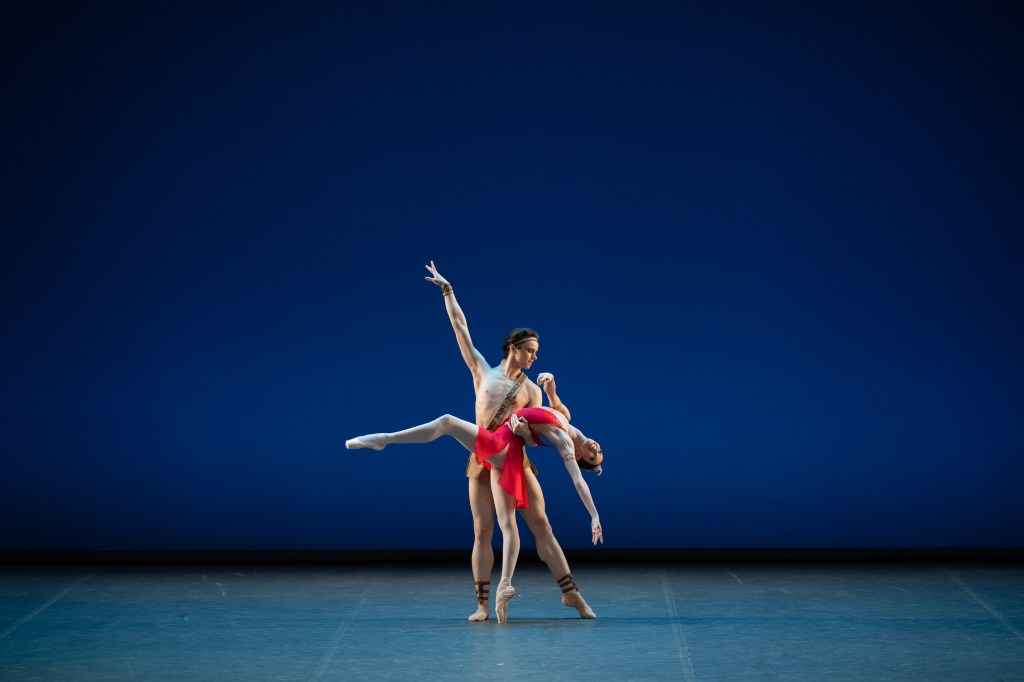
Yana Peneva and Alexei Orohovsky, Photo: ©International Ballet Competition in Moscow
The highlight of their competition came in the third round, which Orohovsky completed despite a serious injury sustained shortly before the performance. In the pas de deux from Don Quixote as Basilio, he projected youthful confidence, nobility, and playful charm, perfectly matched by Peneva’s spirited Kitri. Secure and elegant partnering in the adagio, seamless lifts, beautifully sustained balances, musical precision, and the pair’s flirtatious rapport, expressed through playful glances, ultimately earned them the Gold Medals.
Pak Kunbyulbit from South Korea, who won the Gold Medal in the Boys’ solo category, impressed with his confidence, beautiful lines, strong elevation, and assured pirouettes. Performing such variations as the Wind God from The Talisman, Lucien from Paquita, and Jean de Brienne from Raymonda, the fifteen-year-old Pak demonstrated accurate footwork, soaring jumps, and precisely controlled landings. He delivered each variation with remarkable technical assurance, combining precision with the youthful vitality that made his performances particularly memorable.
Silver medalist in the Boys’ Solo category, Denis Watanabe from the Princess Grace Academy (Monaco), excelled in expressive classical repertoire, including Basilio from Don Quixote, Philippe from The Flames of Paris, and the Prince from Yuri Grigorovich’s The Nutcracker. A light yet resilient and spirited dancer, he combined fearless bravura with soft, expressive arms, noble posture, clean pirouettes, and refined musicality.
For the second round, Watanabe presented his own contemporary piece, Urge, set to music by Rachmaninoff. The flexible and vibrant young dancer conveyed an intense emotional landscape through movement that was both captivating and deeply poignant.
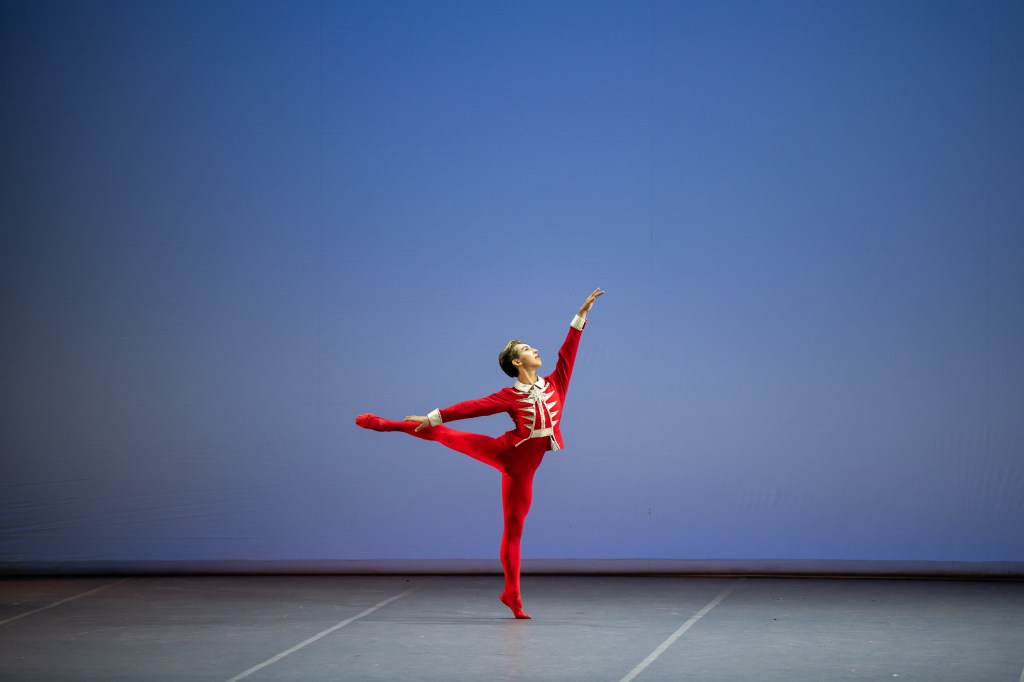
Denis Watanabe, Photo: ©International Ballet Competition in Moscow
Anna Bylkova and Vid Vogrin from the Moscow State Academy of Choreography, who won second place in the junior duets category, were at their best in the contemporary choreography of the second round, performing an excerpt from Alexander Sergeyev’s ballet Not at the Right Time. Vogrin’s athletic partnering complemented Bylkova’s lyrical, nostalgic performance, marked by fluidity and musicality. In the classical pas de deux, including The Sleeping Beauty and Le Corsaire, the duo displayed academic refinement and convincing partnership, despite several technical inaccuracies that contrasted with the confidence of their contemporary performance.
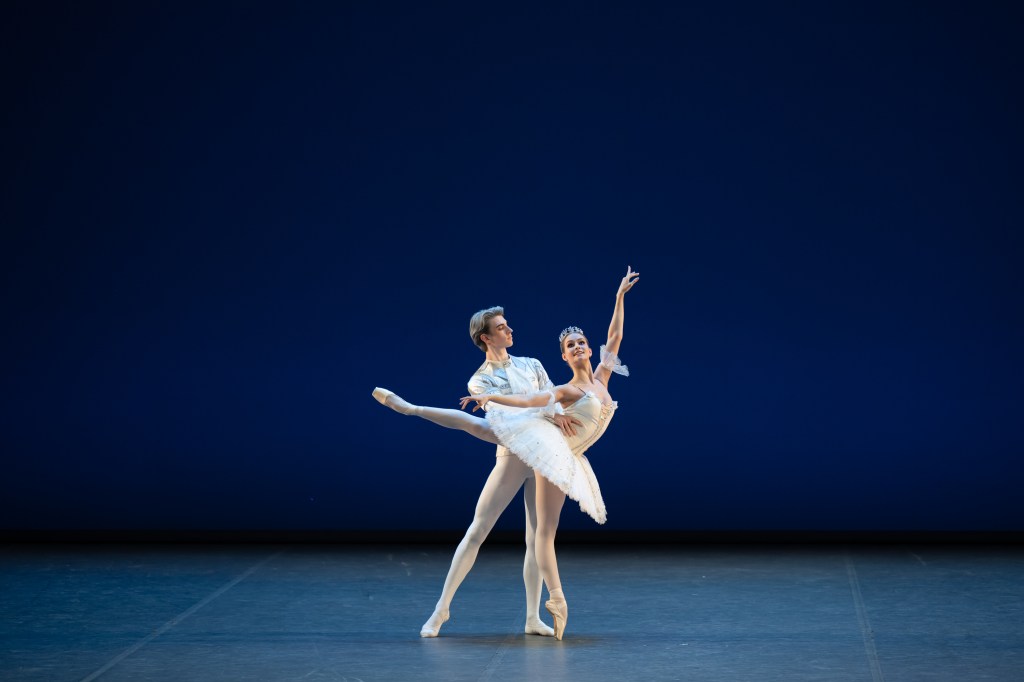
Anna Bylkova and Vid Vogrin, Photo: ©International Ballet Competition in Moscow
Among the outstanding technical dancers in the Junior Group was Katya Pichkova from the USA, who received a diploma at the competition. She excelled in a wide-ranging classical repertoire, including the variations from Paquita, Medora from Le Corsaire, and Shirin from Yuri Grigorovich’s The Legend of Love, demonstrating confident footwork, graceful lines, secure balances, and fluidity through the upper body and arms. Pichkova also impressed in Maria Konrad’s Voce, where her flexibility and mature dramatic presence combined to create a natural and deeply expressive performance.
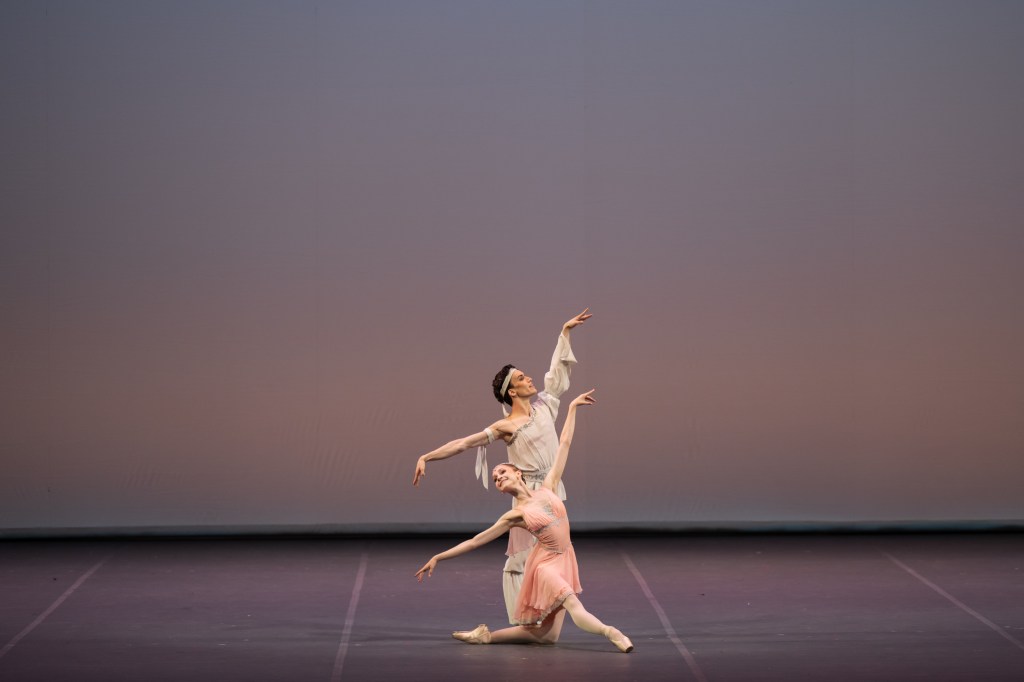
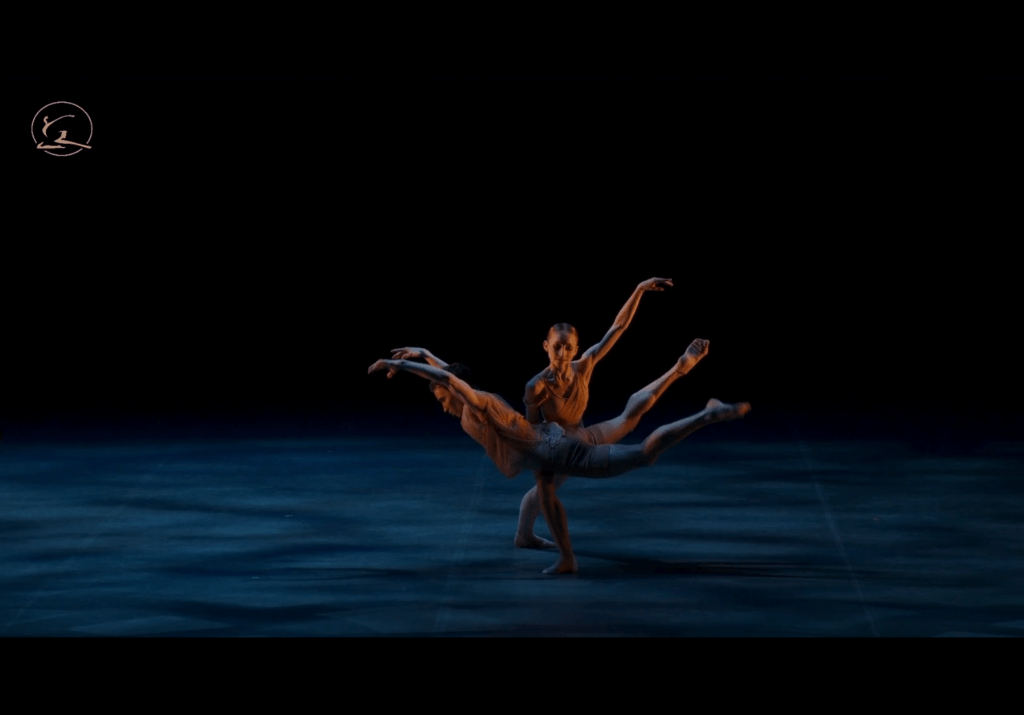
Eva Prokopets and Vladislav Bashmakov, Photo: ©International Ballet Competition in Moscow | The screenshot from the official live stream
Moving from the Junior to the Senior category, it’s worth noting the duet of Eva Prokopets (Junior Group) and Senior Group diploma recipient Vladislav Bashmakov from the Mikhailovsky Theatre (St. Petersburg). Bashmakov’s refined technique and unfailingly attentive partnering inspired confidence in his younger partner, whose youthful enthusiasm and determination brought freshness to the performance. Together, they created a lively and charming interpretation of the Harlequinade pas de deux, mastered Yakobson’s challenging Rossini pas de deux, where musicality and a sense of plasticity combine with the purity of the classical school, and also presented the Talisman pas de deux and a poignant duet from Romeo and Juliet. In Alexander Mogilev’s LOVee (Catch!), a play on English and Russian words that resonates with the concept of love as the ability to catch one’s partner, Prokopets and Bashmakov displayed poignancy and sincerity in the physically demanding choreography.
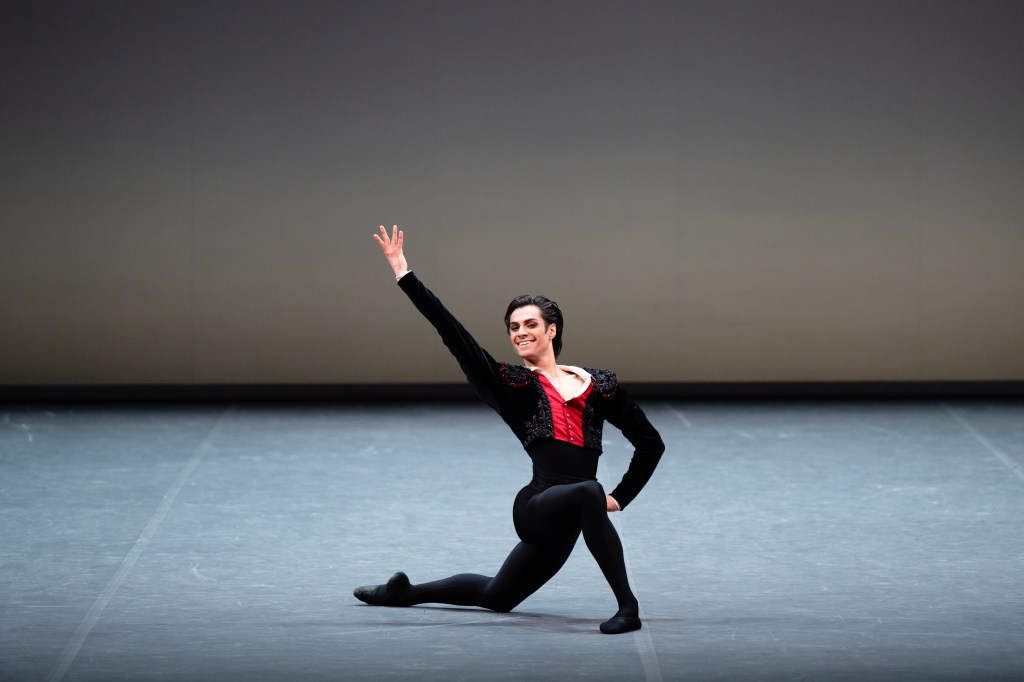
Having won the Silver Medal in the Junior Group in 2022, Mariinsky Ballet second soloist Ryoma Hudzeleu returned to the Moscow International Ballet Competition to claim the Gold Medal in the Senior Men’s category. Throughout the competition, he demonstrated both stylistic versatility and dramatic maturity. His classical repertoire included Ali from Le Corsaire, Prince Désiré from The Sleeping Beauty, Basilio from Don Quixote, Solor from La Bayadère, Lankendem from Le Corsaire, and Jean de Brienne from Raymonda.
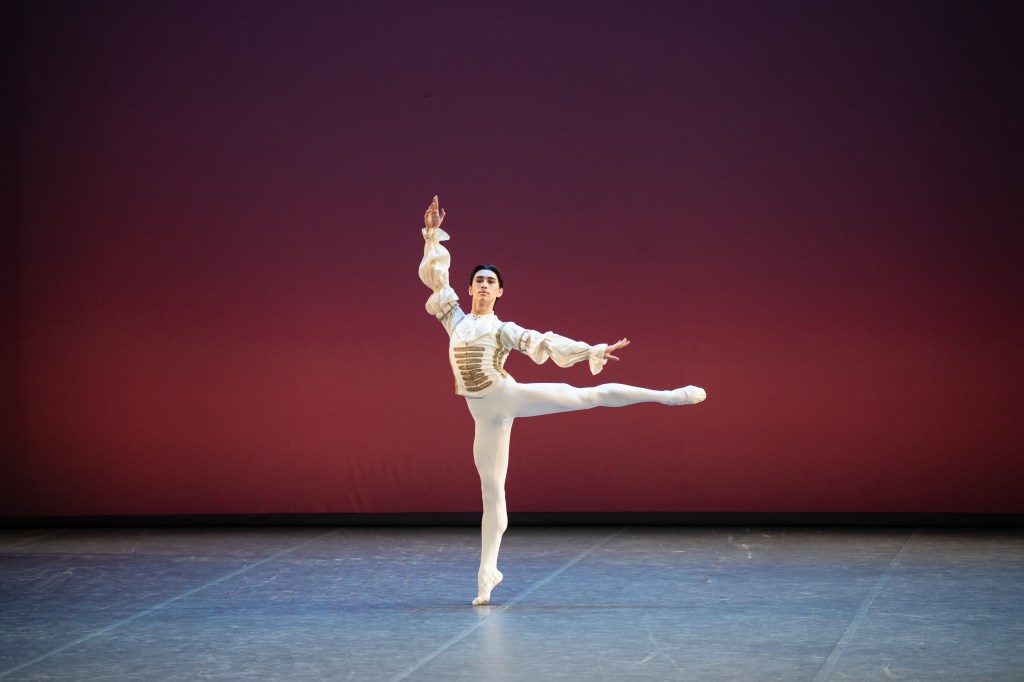
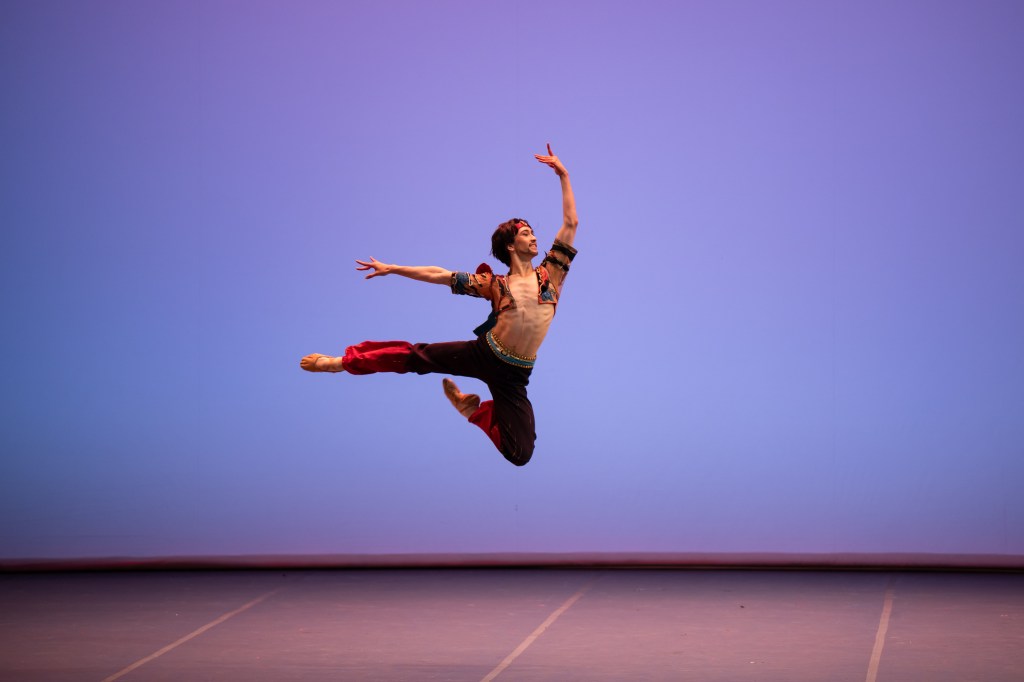
Ryoma Hudzeleu, Photo: ©International Ballet Competition in Moscow
Hudzeleu’s Prince Désiré stood out through refined classical lines, articulate footwork, and impressive elevation, while his Solor combined elegance, youth, inner strength, and commanding stage presence. Equally convincing in the bravura roles of Basilio, Ali, and Lankendem, he displayed powerful jumps, precise landings, and an effortless command of demanding choreography, balancing dazzling virtuosity with youthful charm. His performance of Vyacheslav Samodurov’s contemporary Solo, though brief, proved strikingly effective, revealing the flexibility and expressive physicality of his movement through an intense and passionate interpretation.
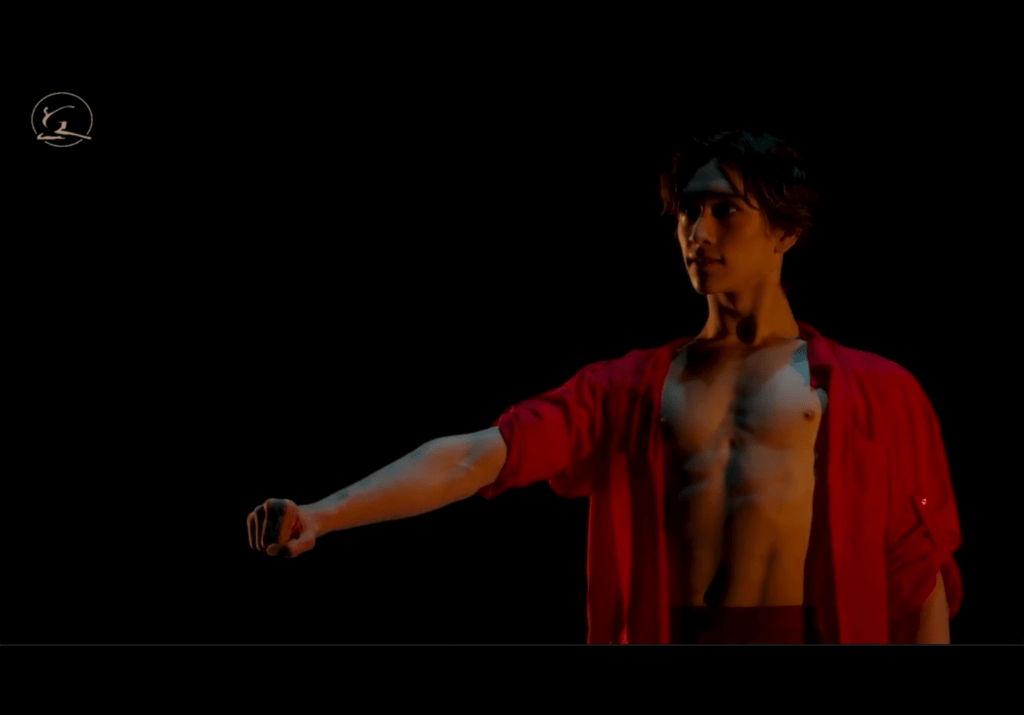
Ryoma Hudzeleu, the screenshot from the official live stream
Silver Medalist in the Senior Men’s category, Akib Anvar of the Bolshoi Ballet made a powerful impression from the opening round with his explosive interpretation of Philippe from The Flames of Paris. Across a varied repertoire, Anvar consistently combined impressive elevation with athletic power, establishing himself early as one of the competition’s strongest contenders. His variation from Paquita further revealed his expressive authority and noble bearing, while Androsov’s contemporary Confession in the Night highlighted his physical expressiveness through visually compelling choreography. Anvar concluded the competition with Solor from La Bayadère, bringing together strength and dramatic vulnerability in a performance that secured him the Silver Medal.
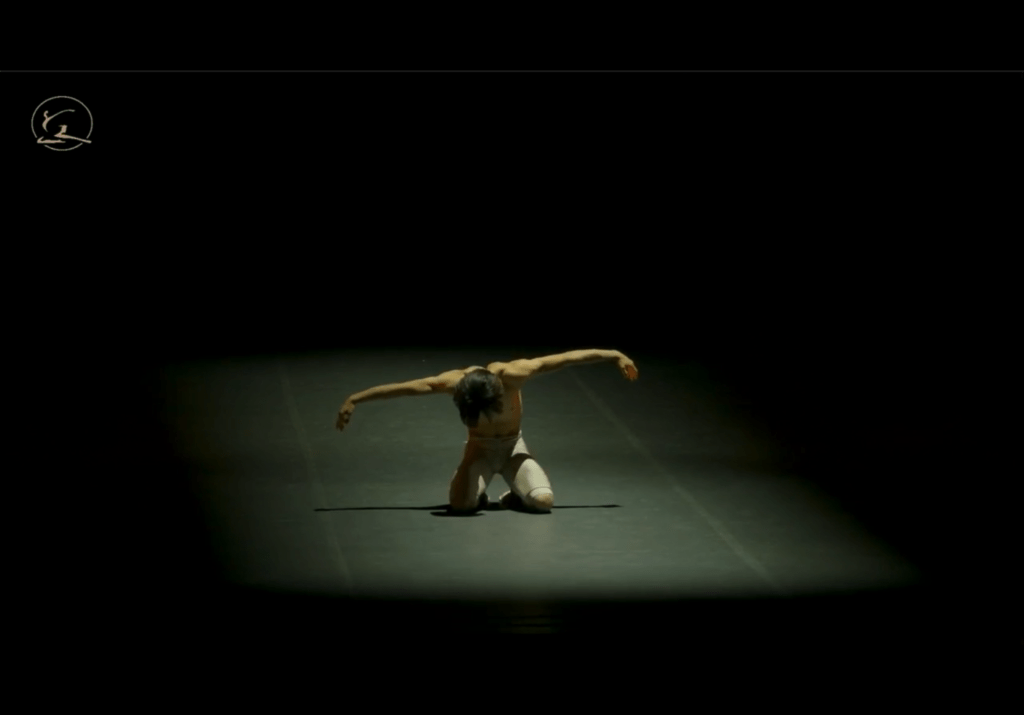
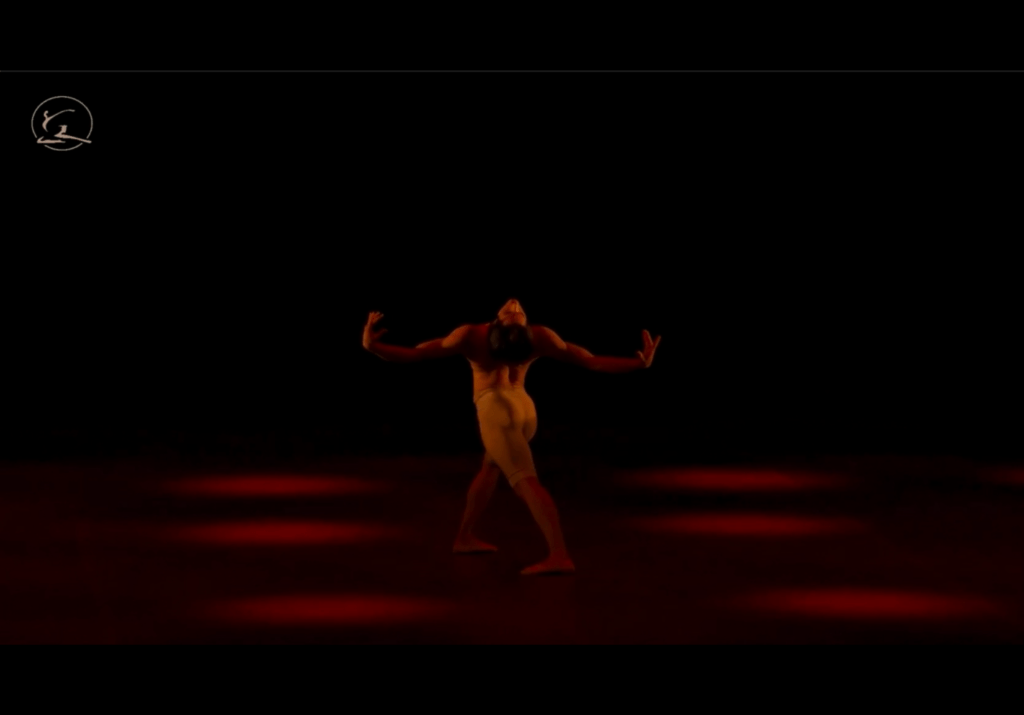
Akib Anvar, Photo: ©International Ballet Competition in Moscow | The screenshots from the official live stream
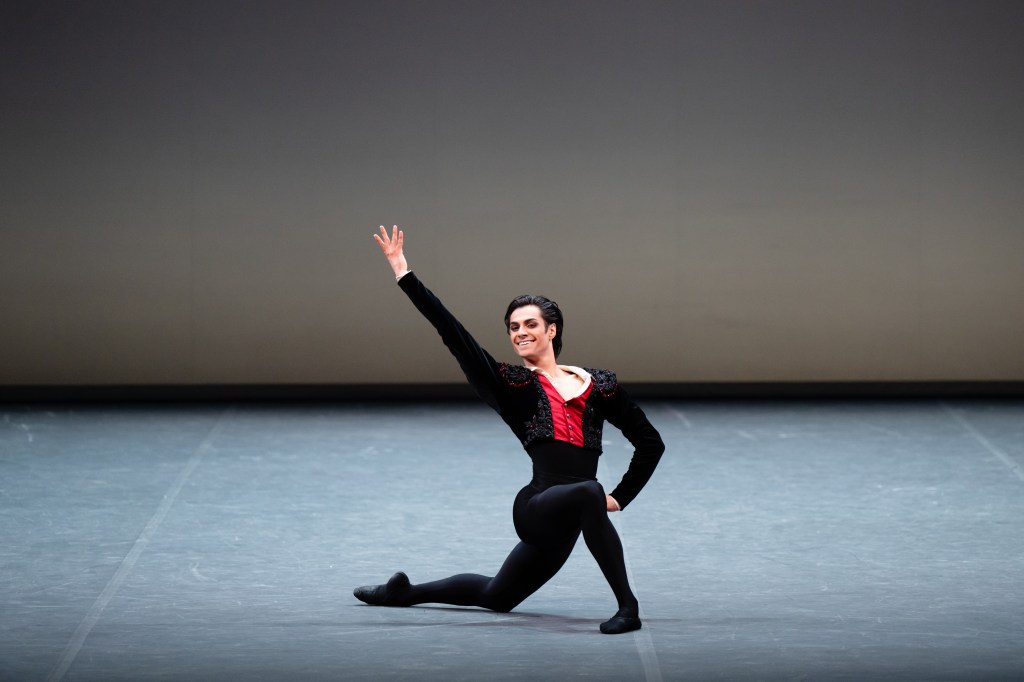
Mariinsky Ballet dancer Danil Zinovyev, a Diploma recipient in the Senior Men’s category, distinguished himself through thoughtful and dramatically nuanced interpretations of the classical repertoire. His variation from La Fille mal gardée displayed accuracy, elegant cabrioles, and refined classical style, while his Albreht (Giselle) in the final round brought poignancy, noble restraint, and expressive sincerity to the stage. Throughout the competition, Zinovyev impressed with his graceful movement, dignified bearing, and understated musicality.
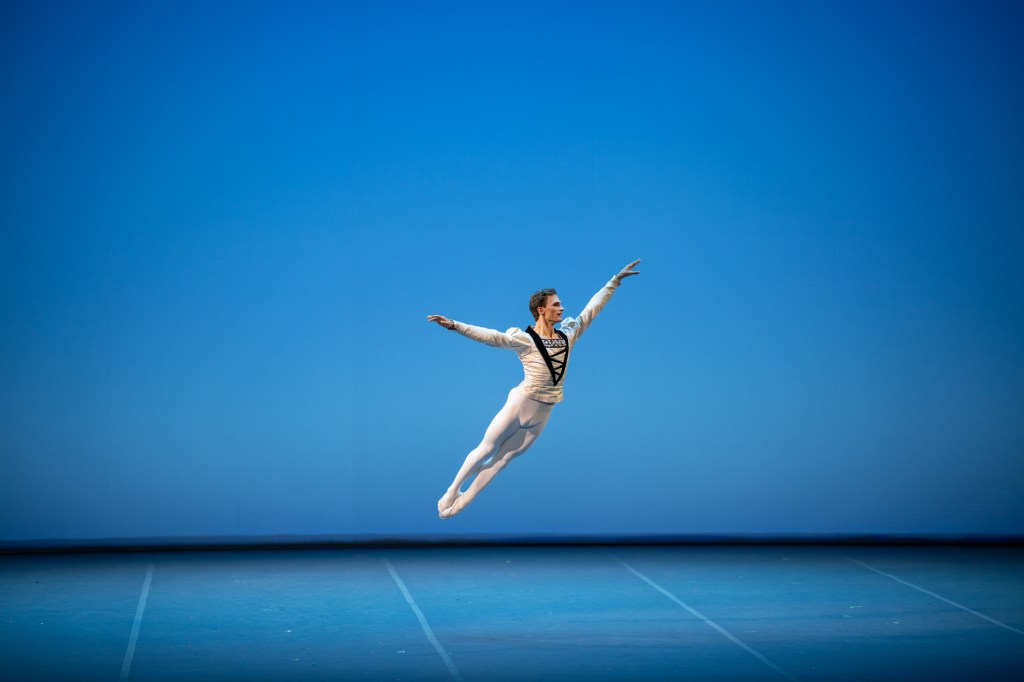
Danil Zinovyev, Photo: ©International Ballet Competition in Moscow
The second round proved particularly memorable with The Organ Grinder, a contemporary work by Alexander Sergeev created especially for the competition and set to a song by Schubert. Blending classical vocabulary with theatrical storytelling, the choreography unfolded as a touching and deeply human narrative. Zinovyev’s sensitive, fragile, yet quietly powerful performance gave the work exceptional warmth and sincerity, making it one of the competition’s most affecting contemporary presentations.
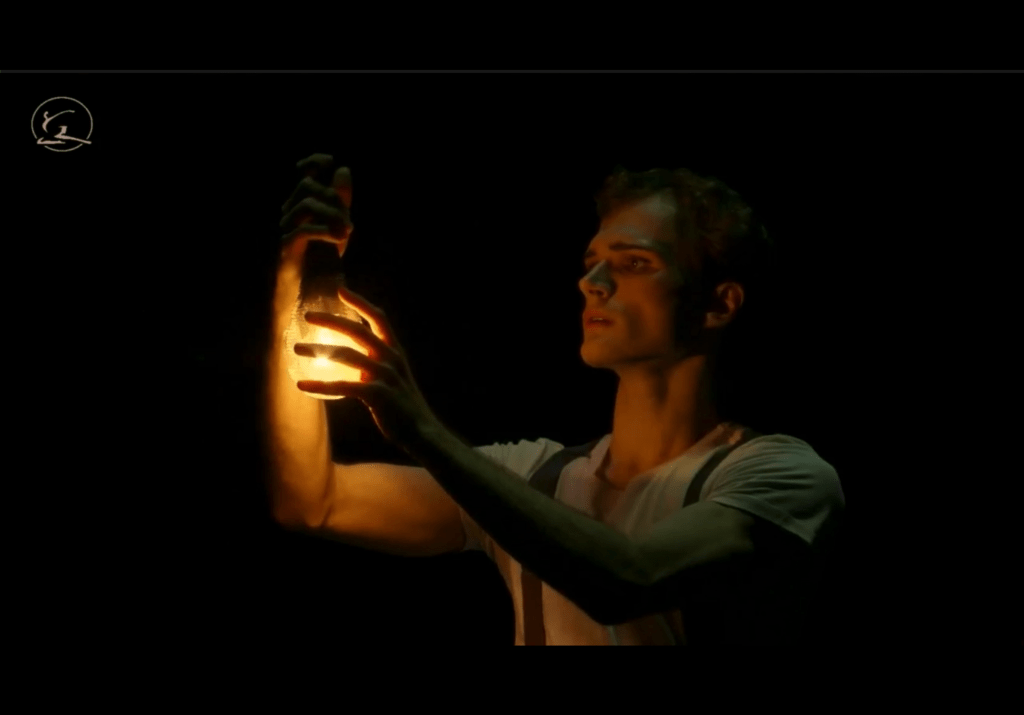
Danil Zinovyev, the screenshot from the official live stream
Gold Medalists in the Senior Duet category, Kim Minjin and Lee Kangwon of South Korea combined exceptional technical command with striking artistic presence. They opened with Grand Pas Classique, meeting its demanding academic style with precision, refined musicality, and effortless synchronization. Their Talisman pas de deux further demonstrated the duo’s remarkable confidence: Lee impressed with buoyant elevation, clean pirouettes, articulate footwork, and assured partnering, while Kim brought an ethereal quality to the ballerina’s role through delicate phrasing, graceful port de bras, and supple upper-body movement.
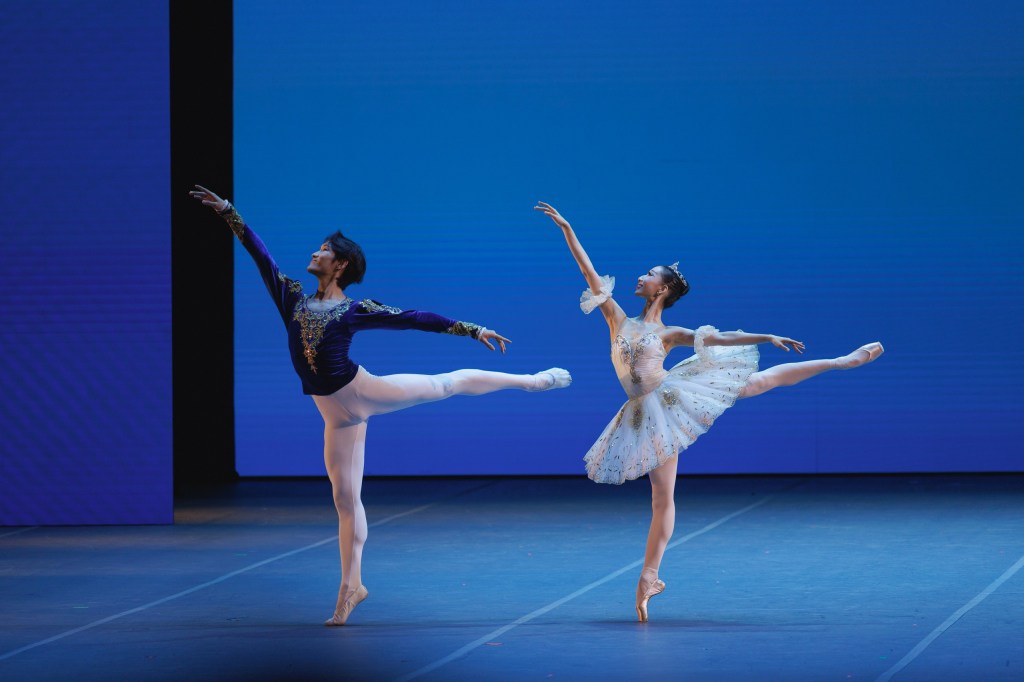
Kim Minjin and Lee Kangwon, Photo: ©International Ballet Competition in Moscow
Lee also revealed another side of his artistry in J. Jung’s contemporary solo We Are Safe Now, where powerful physicality and fluid, almost elemental movement created a mesmerizing, emotionally charged performance. His essential quality of movement unfolded with captivating intensity, revealing him to be as highly compelling in contemporary choreography as in the classical repertoire. Returning to bravura classicism in the Esmeralda pas de deux and the Black Swan pas de deux from Swan Lake, the pair combined expressive energy with technical brilliance, Lee excelling in the demanding codas while Kim matched him with speed, precision, and beautiful footwork. Together, Kim Minjin and Lee Kangwon formed a partnership that united exceptional technical brilliance with genuine artistic depth, ultimately proving themselves worthy Gold Medalists.
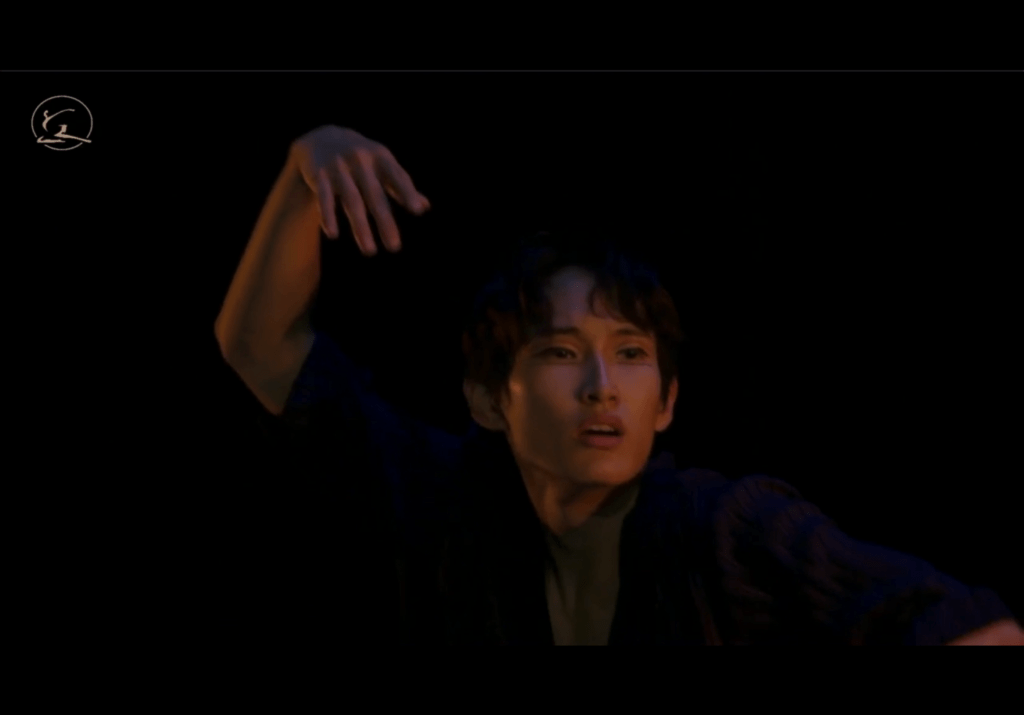
Lee Kangwon, the screenshot from the official live stream
The 2026 International Ballet Competition in Moscow once again demonstrated the breadth of today’s ballet landscape, where strong classical foundations increasingly coexist with contemporary choreography and artistic individuality. Technical brilliance alone was no longer enough: the most memorable competitors were those who combined academic precision with musicality, dramatic intelligence, and the ability to communicate through movement.
Among the competition’s notable successes was the performance of the Mariinsky Ballet dancers. Gold Medalists Yana Peneva, Alexei Orohovsky, and Ryoma Hudzeleu, together with Diploma recipient Danil Zinovyev, all share a common educational background as graduates of the John Cranko School in Stuttgart. Their performances reflected the school’s distinctive emphasis on stylistic versatility, refined classical technique, musical awareness, and expressive stage presence.
The competition also demonstrated a remarkable achievement for Leonid Sarafanov as a coach. Under his guidance, Mariinsky Ballet artists Alexei Orohovsky and Ryoma Hudzeleu won Gold Medals, while Jacobson Ballet’s Dmitry Sobolev earned the Bronze Medal in the Senior Men’s category and Arseniy Sheinin received a Diploma. Their results highlighted not only individual talent, but also the effectiveness of Sarafanov’s artistic mentorship in preparing dancers capable of succeeding at the highest international level.
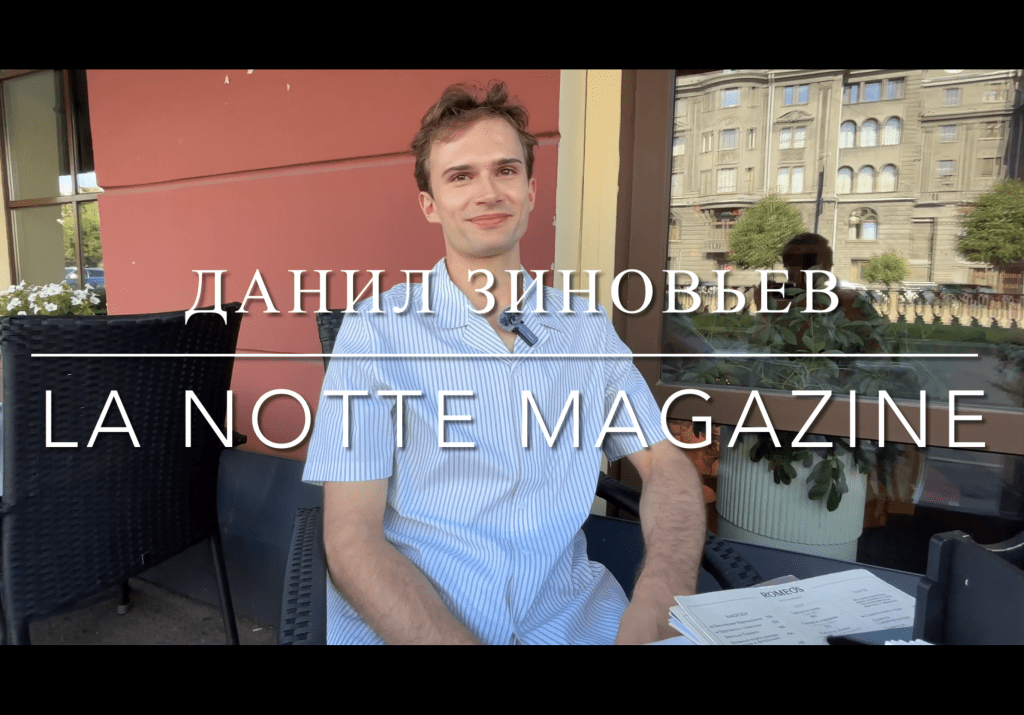
You can watch our interview with Leonid Sarafanov here.
Text: Julia Sumzina
Photos: ©International Ballet Competition in Moscow (www.moscowballetcompetition.com ), the screenshots are from the official live streams



Leave a comment