
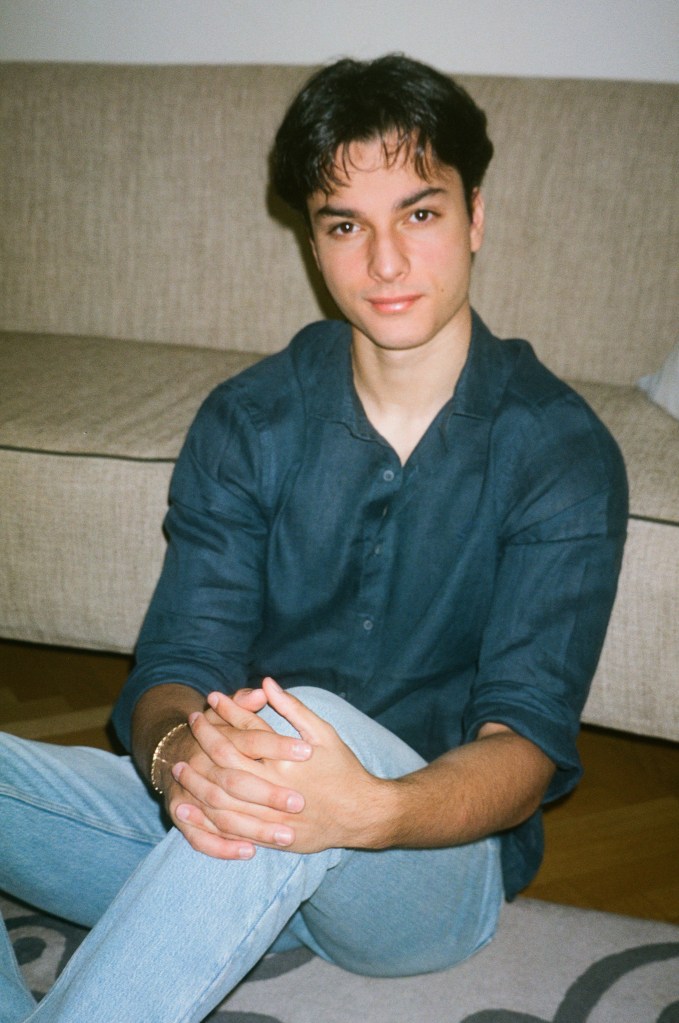
The Pianissimo Festival’s summer season is drawing to a close. Among the concerts in St. Petersburg, one of the highlights was Can Saraç‘s recital. This was not the young Turkish pianist’s first visit to the city. He has appeared at the festival on several occasions (in 2022, he became the youngest pianist ever invited) and has also performed with the Mariinsky Theatre Orchestra. Can is currently pursuing his studies at the Hochschule für Musik FRANZ LISZT Weimar in Germany, under the guidance of Prof. Michail Lifits.
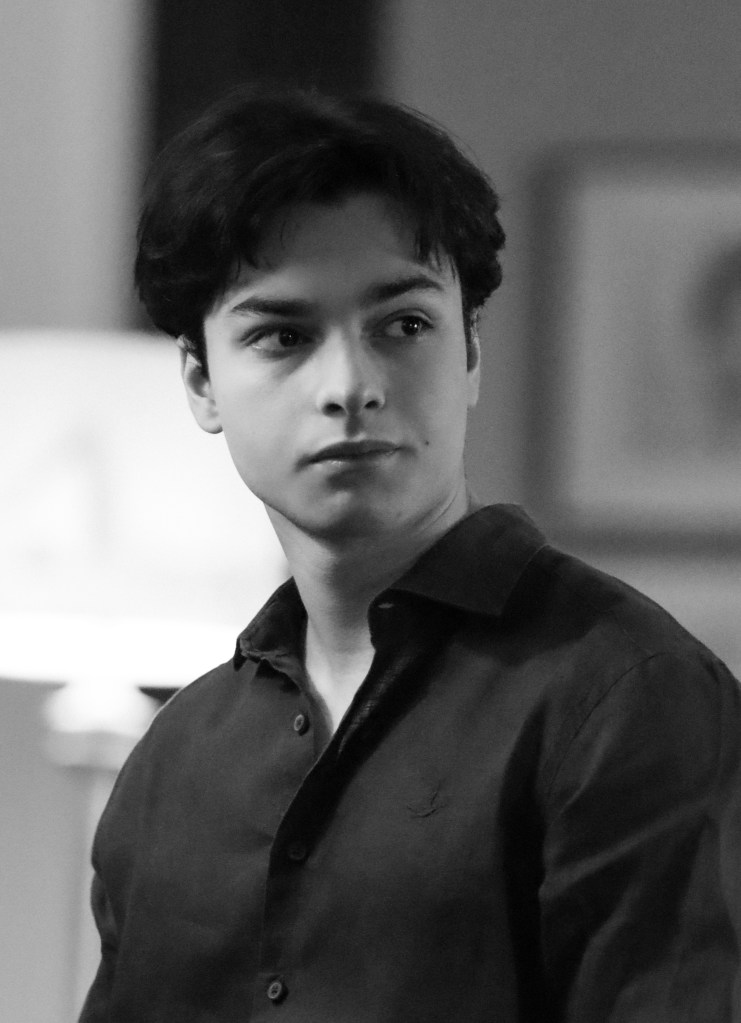
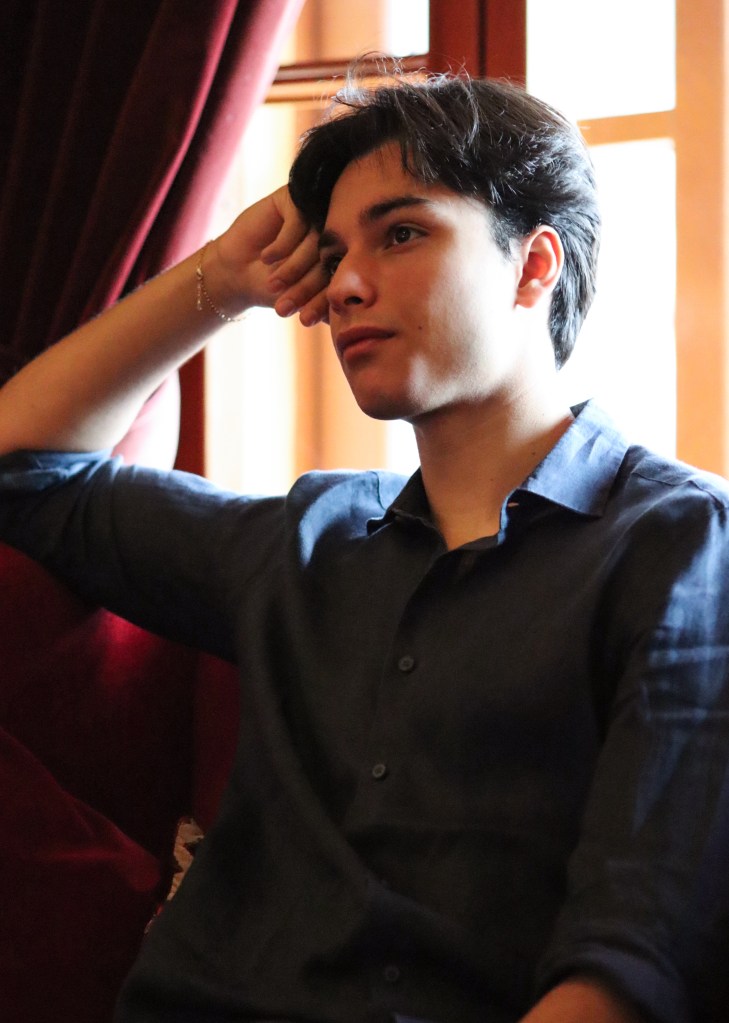
In 2023, he became the youngest pianist to receive the Arturo Benedetti Michelangeli Prize at the Piano Academy Eppan in Italy. That same year, he was invited to the Cliburn Junior Festival in Dallas, USA. In 2025, Saraç received the Discovery Award at the International Classical Music Awards (ICMA) and performed at the awards ceremony with the Düsseldorf Symphony Orchestra at the Tonhalle. He also received the Lale Tara Arts Scholarship from ENKA Sanat and a full scholarship to the Morningside Music Bridge program in Boston, organized jointly with the New England Conservatory. Saraç is currently a scholarship holder of the Liechtenstein International Music Academy.
Opening the recital with works by Bach-Busoni, Clementi, Beethoven, and Chopin, Saraç seemed to captivate the audience from the very first notes. He drew listeners into a contemplative atmosphere, while his technique never became an end in itself. Instead, he emerged as a storyteller, shaping each work into a deeply personal narrative. His playing revealed a striking artistic maturity. Every phrase felt carefully considered, every dynamic shift entirely natural, allowing the music to unfold organically rather than drawing attention to the performer. Rather than striving to display the full extent of his technical ability, he allowed each work to speak through an unmistakable sense of inner conviction.
Sergei Rachmaninoff’s Piano Sonata No. 2, Op. 36, as performed by Saraç, impressed not only with its technical demands but also with the depth of its interpretation. His precision and thoughtful approach suggested an artist engaged in a continuous search for meaning beyond technical perfection.
One of the encores featured something long awaited by those who have followed Can Saraç’s performances: Fazıl Say’s Black Earth. Saraç carefully shaped the work’s palette of sound, exploring the instrument’s tone colours rather than its power. The performance created a quiet, intimate atmosphere and unfolded with a natural understanding of the work’s folk-inspired language.
Can Saraç’s recital became one of the memorable events of this year’s Pianissimo Festival in St. Petersburg. We asked the pianist about the evening’s program and his artistic approach.
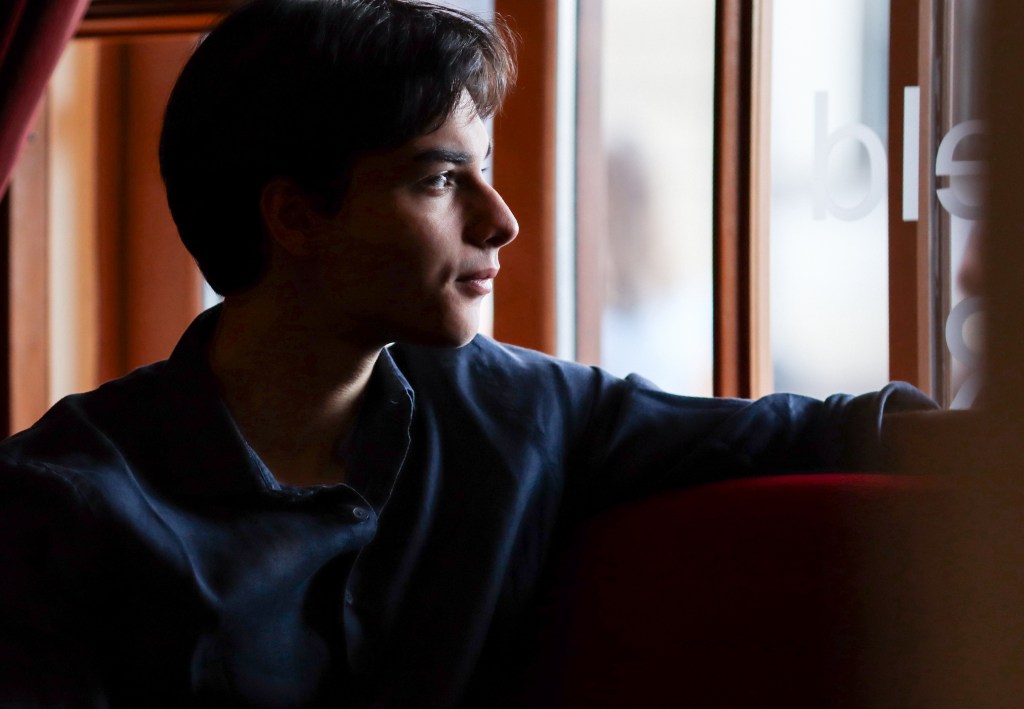
Your recital brought together works by Bach-Busoni, Clementi, Beethoven, Chopin, Rachmaninoff, Fazıl Say, and Scriabin. What was the main idea behind this program?
I wanted to create a program that takes the audience through different musical styles and emotions. Although these composers lived in different periods, I think there are interesting connections between them. I enjoy building programs with contrasts, where each piece brings a different atmosphere while still feeling like part of the same story. My goal was to share a wide range of musical colors in one recital.
Rachmaninoff’s Second Sonata demands both immense technical control and a strong sense of musical architecture. What was the greatest challenge for you in preparing this work?
For me, the biggest challenge was understanding the overall shape of the piece. The technical side is, of course, very demanding, but that’s something you gradually build through disciplined practice. What interested me even more was making sure the music always had a clear direction and that every section felt connected. I wanted the sonata to sound like one complete journey rather than a series of impressive moments.
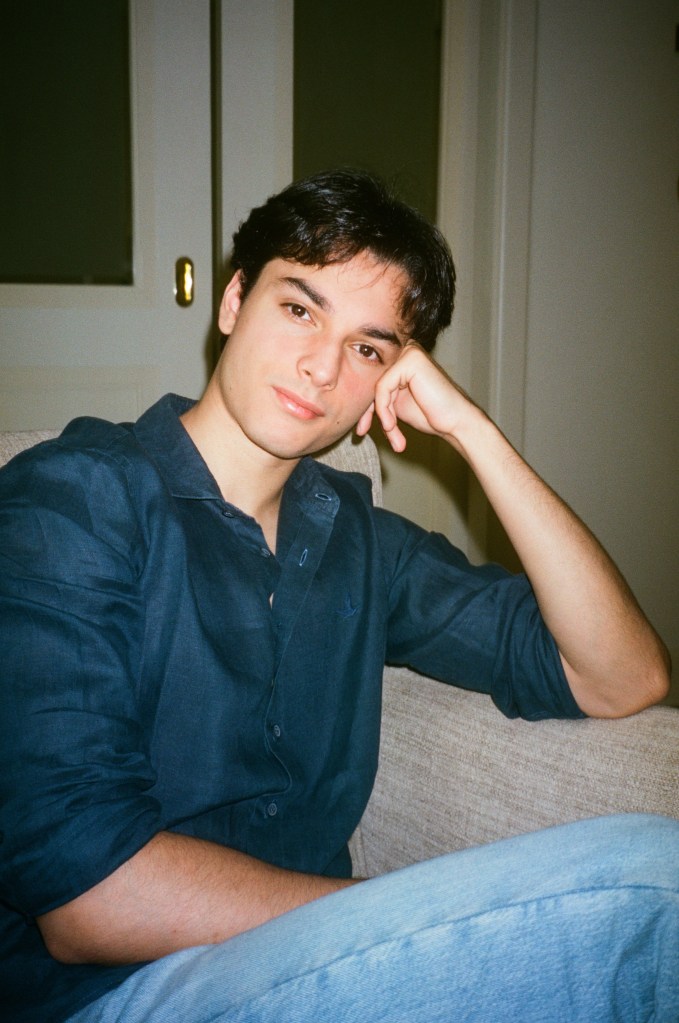

You chose Fazıl Say’s piece as one of your encores. What does this work mean to you personally?
As a Turkish pianist, performing Fazıl Say’s music is always very meaningful to me. I really admire the way he combines different musical influences while keeping such a personal voice. I chose this piece because I wanted to finish the recital with something that reflects a part of my own musical identity and also share contemporary Turkish music with the audience.
Is there a piece you admire deeply but still don’t feel ready to perform?
There are so many pieces that I deeply admire and would love to perform. Even if some of them are extremely technically demanding, I feel confident that I can meet those challenges through dedication and experience. For me, the bigger question is whether I feel emotionally ready to say something meaningful through the music. Right now, I don’t think there’s a specific piece that I avoid because of its difficulty. It’s more about waiting until I feel a genuine connection with it and feel ready to express it in an honest way.
Your career has been developing remarkably quickly. Have you ever felt pressure to meet other people’s expectations?
Yes, sometimes. I think it’s normal, especially when you’re young. But I’ve learned that it’s more important to focus on my own development than on other people’s expectations. Every concert teaches me something new, and I try to keep improving instead of comparing myself to where others think I should be. At the end of the day, I just want to keep growing as a musician and stay true to myself.
Text, interview and photos: Julia Sumzina


Leave a Reply