Continuing the West Meets East series, I’d like to look at cinematic co-productions between Western Europe and East Asia in the 1980s and at some particularly interesting collaborations. When discussing the final decades of the twentieth century, however, it is impossible not to mention the most famous Franco-Japanese film of the twentieth century, Hiroshima mon amour (1959).
Alain Resnais’s film, based on a screenplay by Marguerite Duras, is considered one of the defining works of the French New Wave. Made with a mixed French and Japanese crew and featuring Japanese actor Eiji Okada in one of the leading roles, the film offered a fresh perspective on humanity in the present, set against the impossibility of forgetting the past.
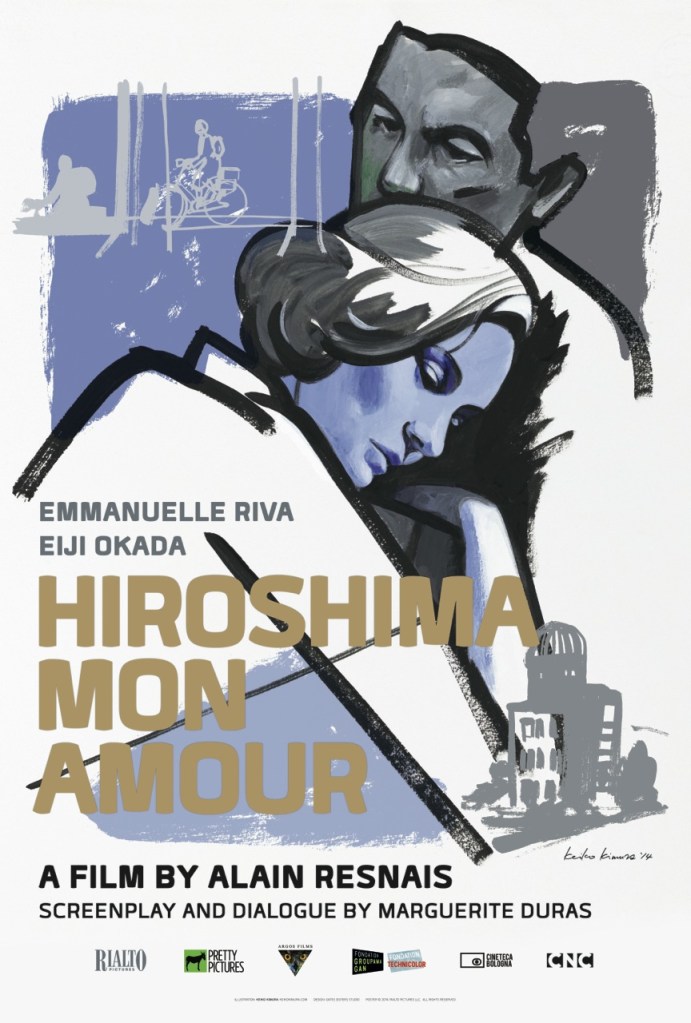
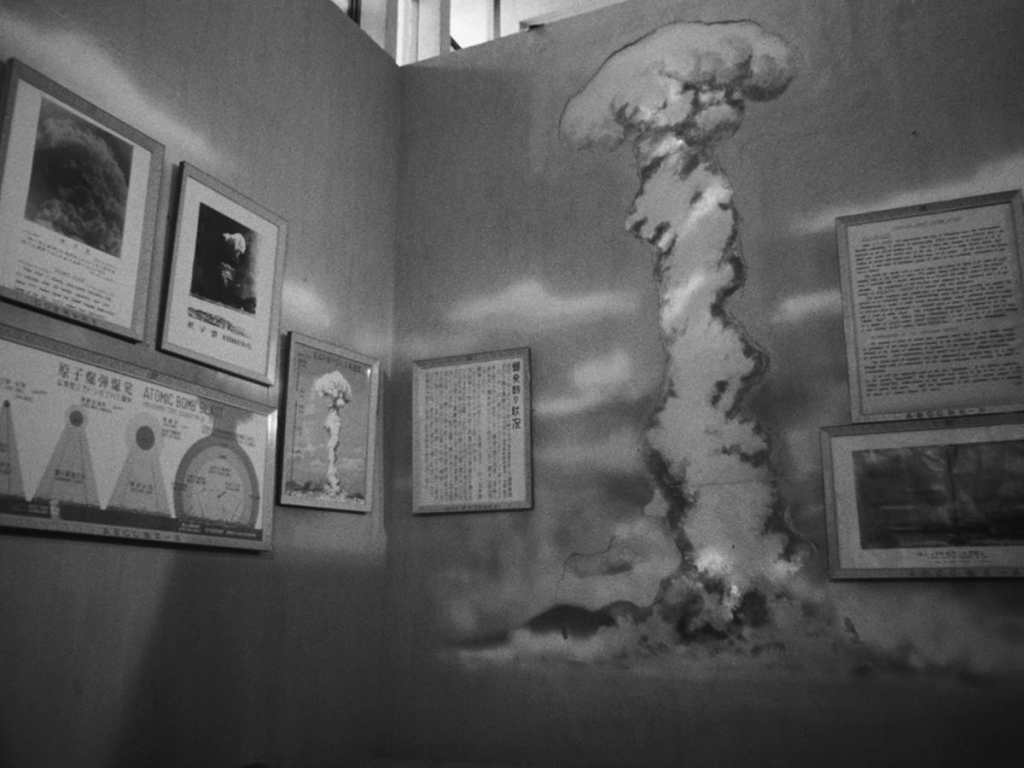
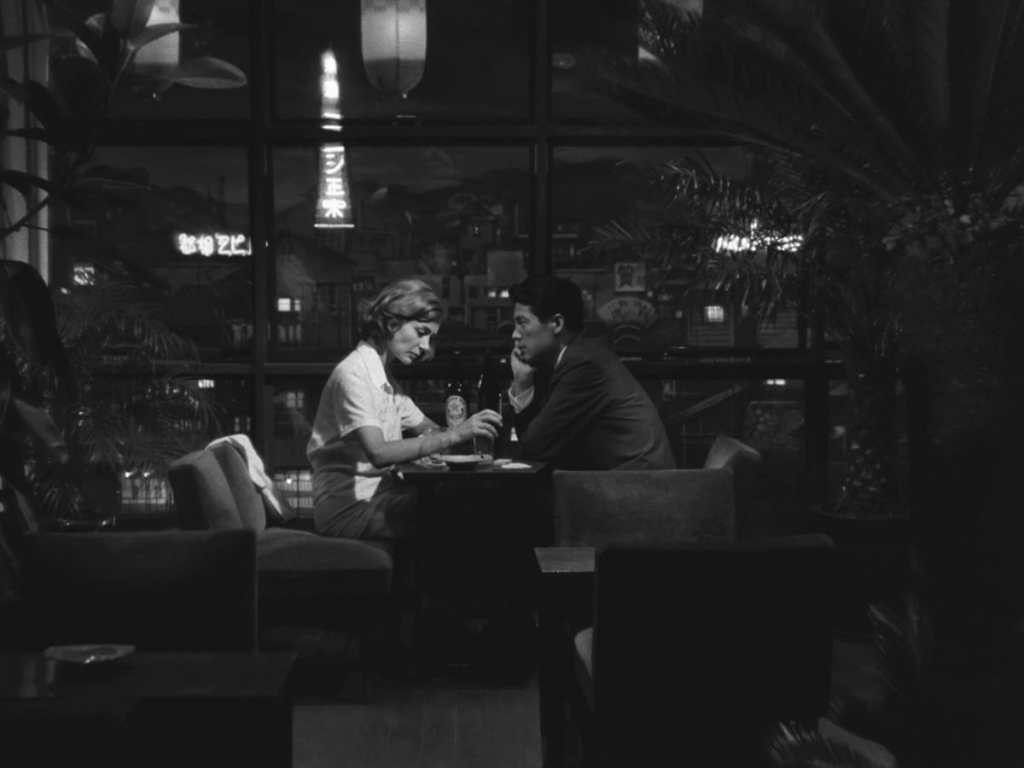
To this day, the film serves as a bridge between Europe and Asia, united by the shared tragedy of war – a force that divided nations and ravaged lives. It feels strange to label Hiroshima mon amour a “romantic” film; rather, it is a cinematic meditation on the profound impact of war, both on the individual and on humanity as a whole.
In fact, Hiroshima mon amour subverts the conventional anti-war narrative by presenting war as a personal tragedy and trauma for characters on both sides of the world.
Cinematically, the film is a composition of intimate poetic cinema, a certain degree of abstraction, and the dialogue between a woman recalling her first love in occupied Nevers and a Japanese architect. Shot in black and white and interspersed with documentary footage depicting the horror, destruction, and suffering caused by the atomic bombing of Hiroshima, the film creates images that are aesthetically reminiscent of Luis Buñuel’s Un Chien Andalou (1929): seemingly surreal, yet at the same time evoking anxiety, pain, and an awareness of the tragedy that occurred.
Although released two decades before the period discussed in this article, Hiroshima mon amour established an important precedent for future European-Asian collaborations and therefore serves as an essential starting point for discussing the co-productions of the 1980s.
Merry Christmas, Mr. Lawrence (1983) by Japanese director Nagisa Ōshima also addresses the theme of World War II. Based on the autobiographical novel The Seed and the Sower (1963) by South African writer Laurens van der Post, who himself survived Japanese captivity, the story of the four main characters unfolds in 1942 in a POW camp at Lebak Sembada in Japanese-occupied Java.
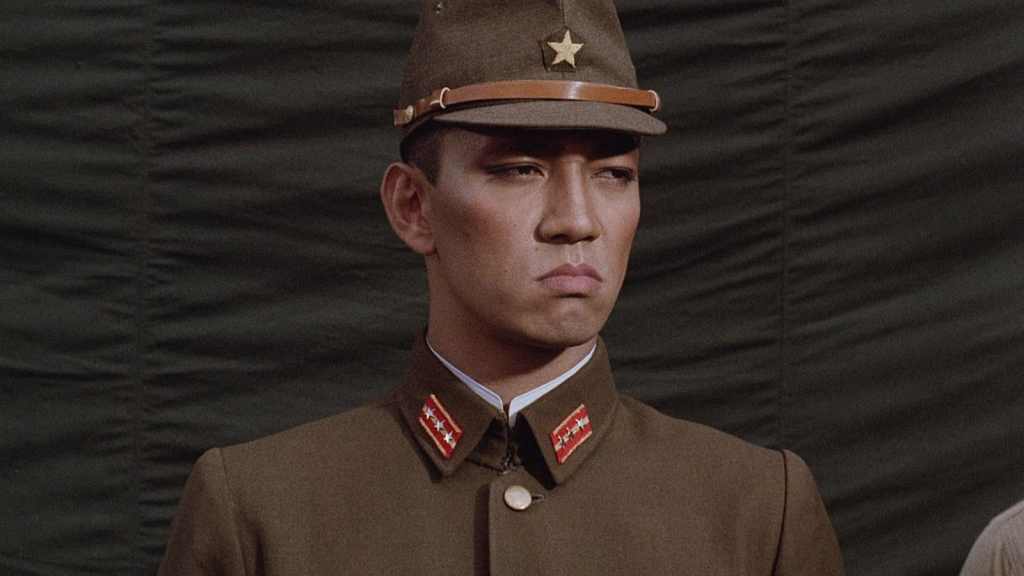
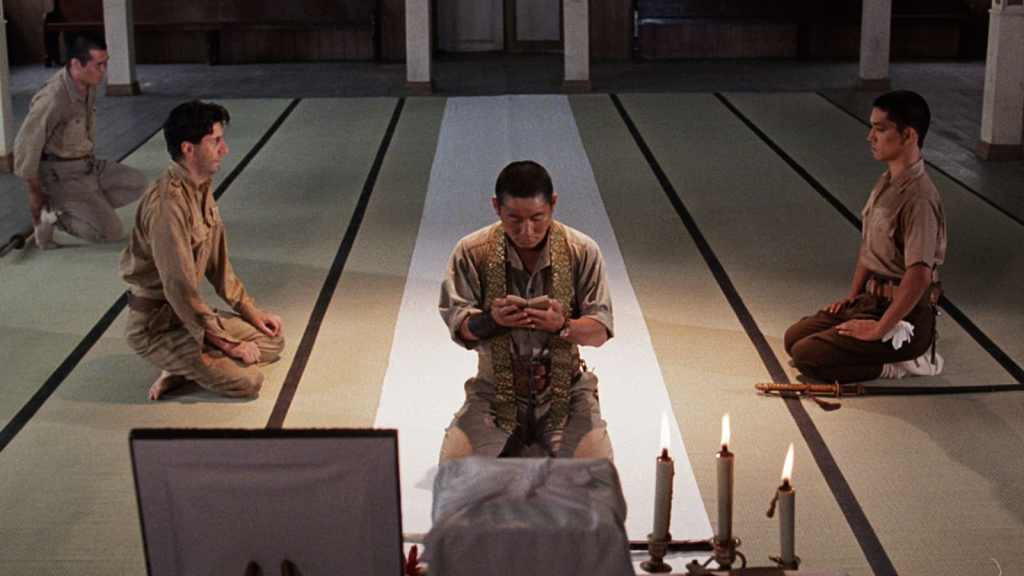
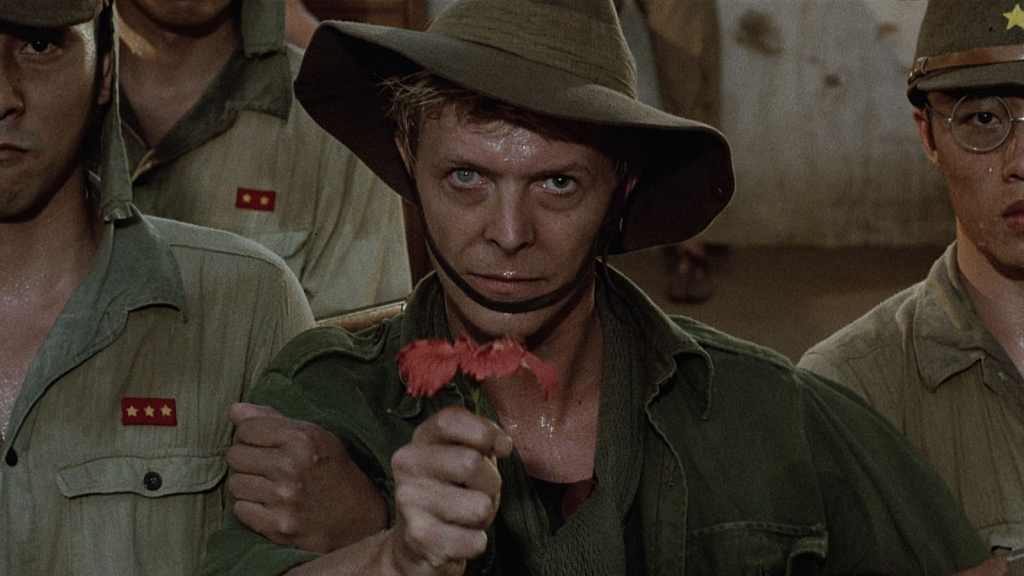
Among them are the reckless Major Jack “Strafer” Celliers (David Bowie), the bushido-driven Captain Yonoi (Ryūichi Sakamoto), the humane Lieutenant Colonel John Lawrence (Tom Conti), and the seemingly simple-minded Sergeant Gengo Hara (Takeshi Kitano). The tragedy of humanity here is a tragedy of mentality – a clash between the Japanese emphasis on honour and duty and the Western ideals of humanism and individualism.
Captain Yonoi respects the prisoners, yet he is constrained by the rigid principles of bushido, which prevent him from openly acknowledging the value of their lives and dignity. Meanwhile, the Japanese-speaking John Lawrence acts as a mediator, attempting both to protect his men from cruelty and to understand the mentality of the enemy. In contrast, the charismatic and recklessly courageous Major Jack Celliers openly challenges Yonoi. Sergeant Hara, as a representation of the “common man”, simultaneously embodies humanity and obedience to authority.
The film’s meditative rhythm, with its long takes and numerous close-ups, contrasts with a peculiar and often concealed admiration for masculinity expressed through violence and biblical symbolism. The raw sensuality of the imagery is softened by Ryūichi Sakamoto’s score. The main theme, blending Western electronic music with traditional Asian influences, possesses a hypnotic quality, lulling the viewer into an almost dreamlike state.
Ran (1985) (the title can be translated as “Chaos”) by legendary director Akira Kurosawa, was made in collaboration with French producer Serge Silberman, known for his work with Luis Buñuel on Diary of a Chambermaid (1964), Belle de Jour (1967), and The Discreet Charm of the Bourgeoisie (1972).
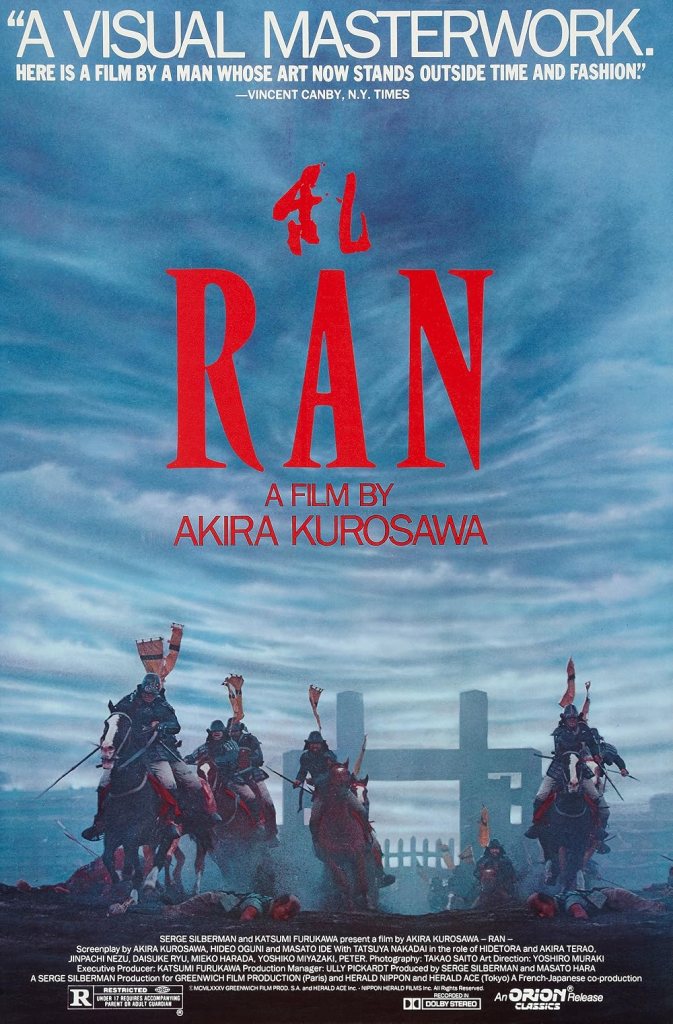
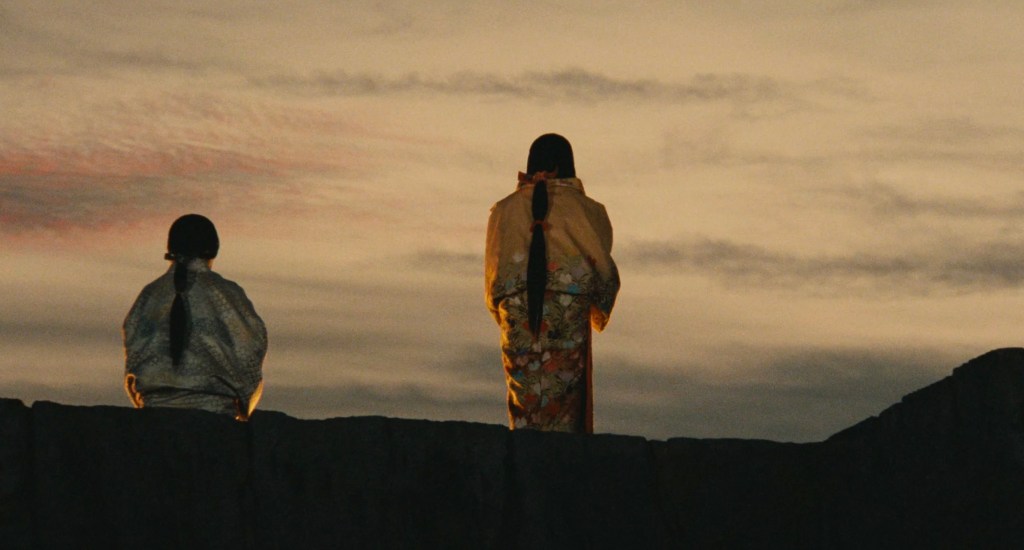

Ran belongs to the jidaigeki genre (Japanese historical costume drama) and depicts the fall of a powerful aristocrat during the Sengoku Jidai period (second half of the fifteenth century to the early seventeenth century). Inspired by the legends surrounding the daimyō Mōri Motonari as well as William Shakespeare’s King Lear, the film represents a unique synthesis of historical and cultural parallels linking East and West.
In many ways, the film resembles a theatrical performance. Acting performances range from realism to grotesque exaggeration and are complemented by make-up inspired by traditional Japanese theatre, while the costumes and sets allow the audience to witness a spectacle vast in scale yet centred on the tragedy of its main characters.
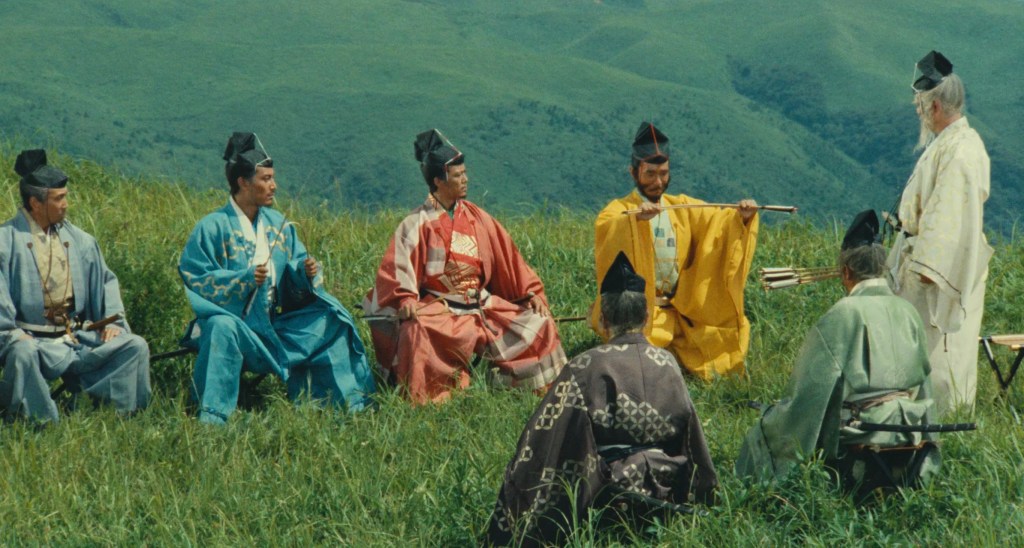
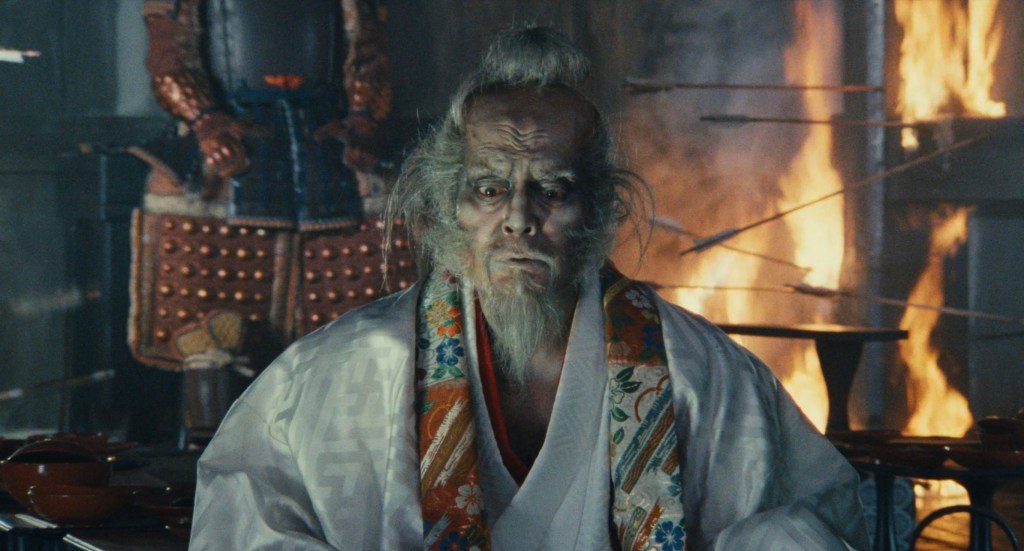
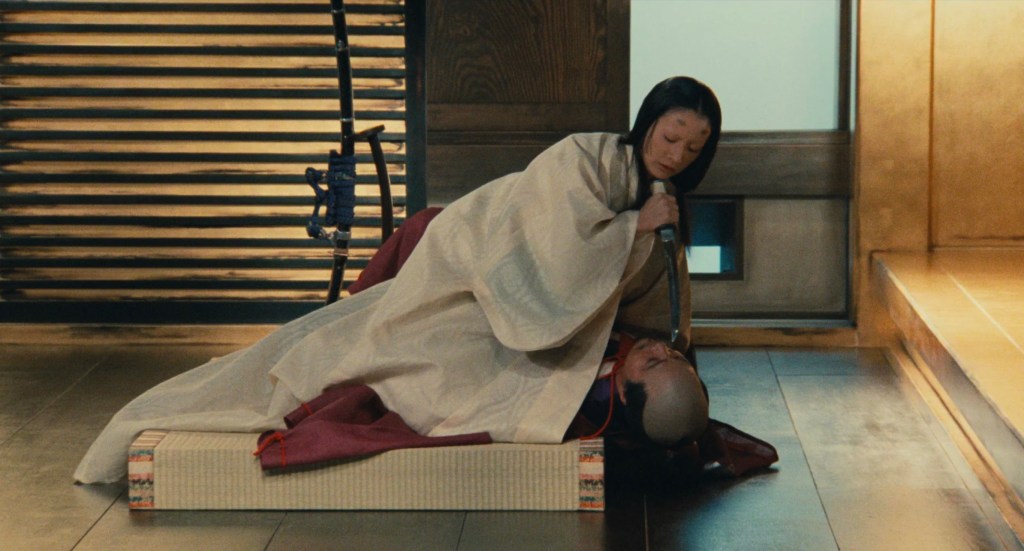
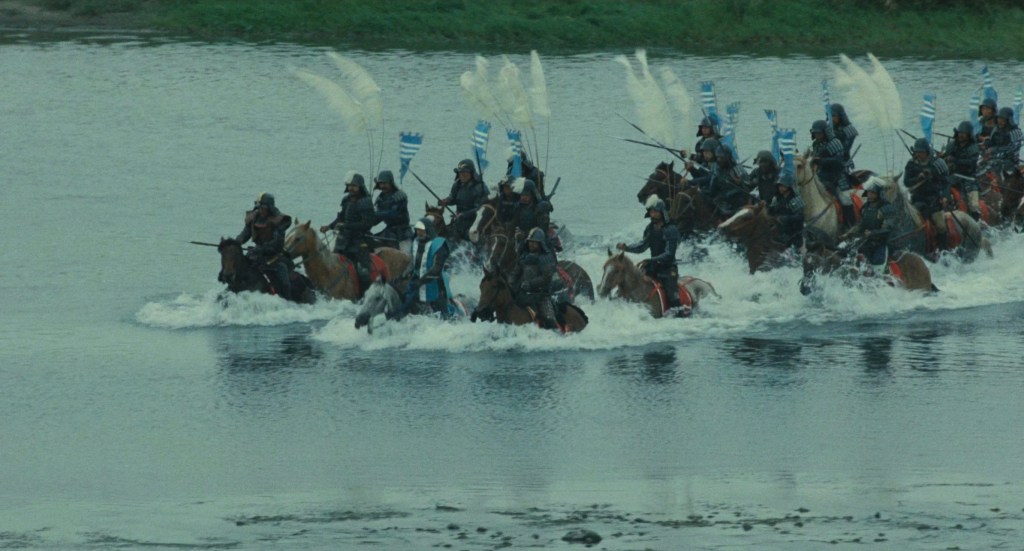
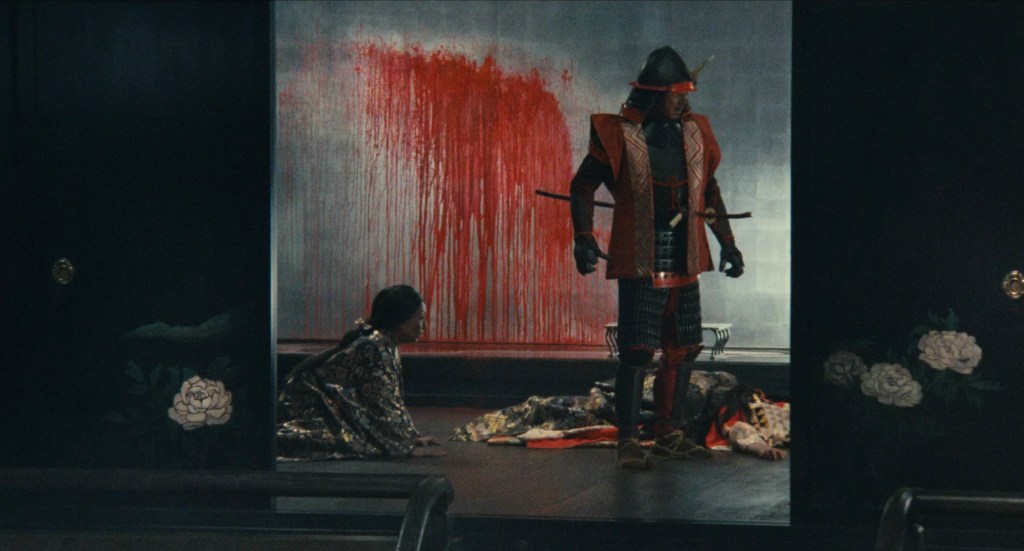
Colour also plays a key role in the narrative. Kurosawa divides the characters and their armies into three opposing factions through a triad of colours:
Tarō (the eldest son) — Yellow: inherited authority and status. In Kurosawa’s interpretation, however, yellow becomes a symbol of decay and decline.
Jirō (the middle son) — Red: aggression, bloodshed, and the destructive ambition that leads to betrayal.
Saburō (the youngest son) — Blue: loyalty, reason, truth, and purity.
White becomes the colour of death and madness: the aged Hidetora is dressed in stark white robes. In Japanese tradition, white is associated with death and mourning. Lady Kaede, the embodiment of vengeance, combines white and black, intensifying the imagery of mourning with the metaphorical ashes of destruction.
Kurosawa’s final epic and arguably his most ambitious production, Ran marked the director’s third Shakespearean adaptation. He had previously adapted Macbeth in Throne of Blood (1957) and drew on Hamlet in The Bad Sleep Well (1960).
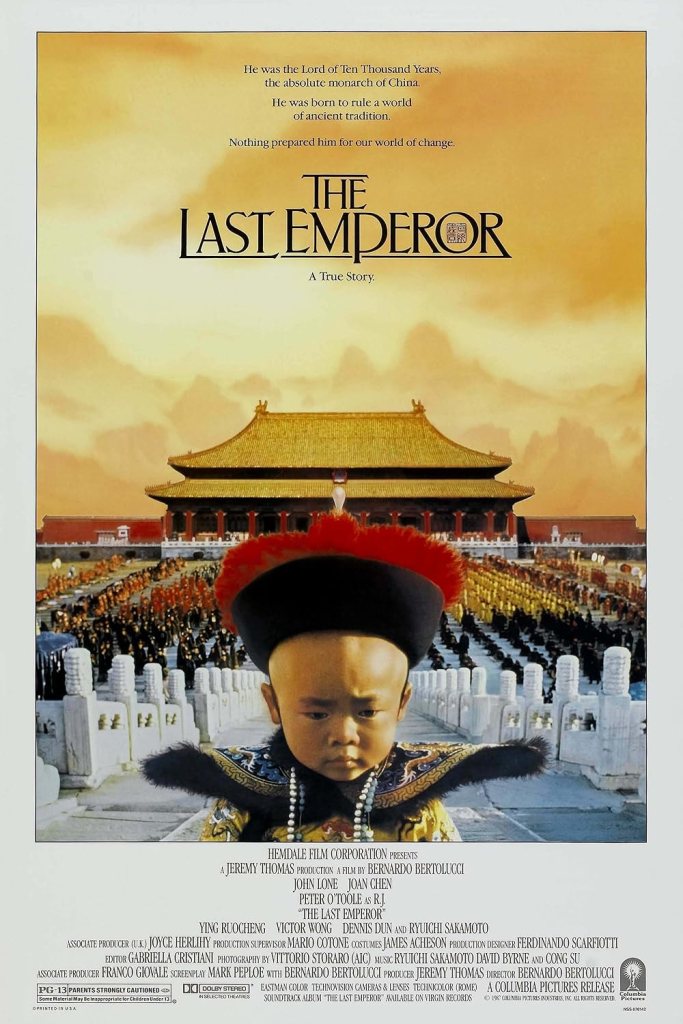
Winning nine Oscars, including Best Picture, Best Director, and Best Adapted Screenplay, Bernardo Bertolucci’s The Last Emperor (1987) is one of the most celebrated European-Asian co-productions ever made. It is an epic biographical drama about the life of Puyi, the last Emperor of China, from his childhood within the walls of the imperial palace in Beijing’s Forbidden City, where traditions had remained unchanged for centuries, to his old age in Communist China.
The film begins with a train carrying prisoners arriving at a station on the Sino-Soviet border in 1950. Fearing trial for his crimes, Puyi attempts suicide. The viewer then watches as memories transport him back to 1908, when, as a two-year-old boy, he was taken from his mother and brought before the dying Empress Dowager Cixi.
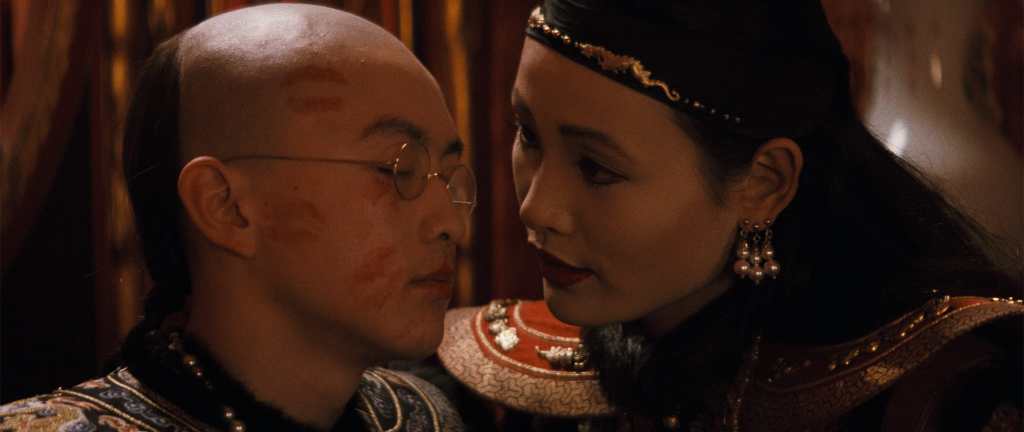
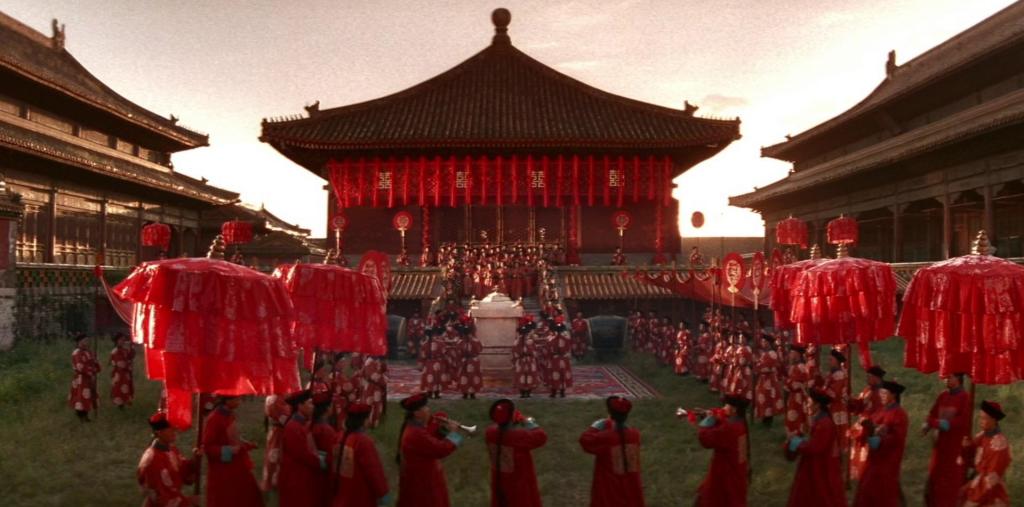
Following his expulsion from the Forbidden City after the Beijing Coup of 1924, Puyi gradually becomes involved with Japan and eventually accepts the throne of Manchukuo. His younger wife, Wen Xiu, believes that by Western standards she is little more than a mistress and eventually leaves Puyi. She is replaced by Puyi’s cousin Xianyu, better known as Yoshiko Kawashima, who introduces his older wife, Wan Rong, to opium. Despite the outward veneer of honour, ceremony, and court etiquette, he ultimately realizes that his authority is merely nominal and that he himself has become a prisoner of circumstances.
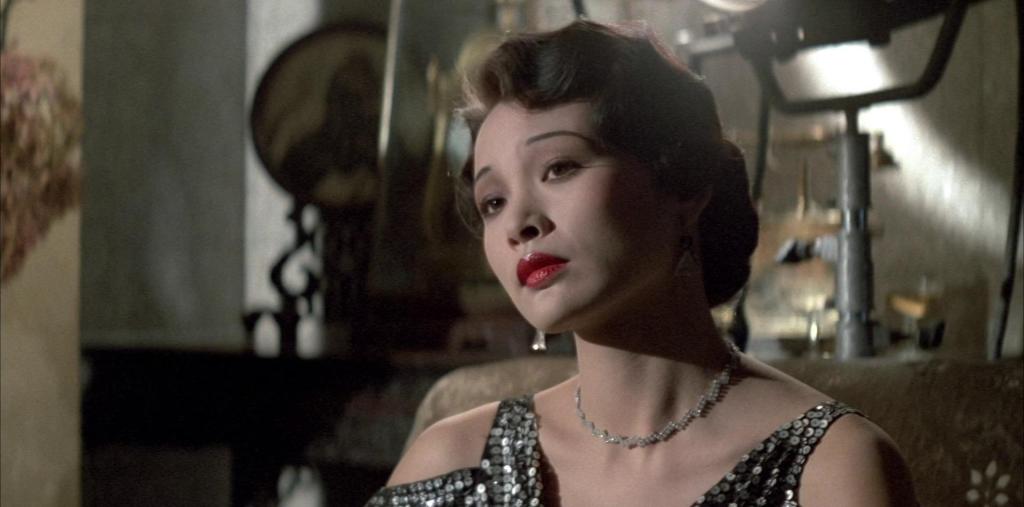
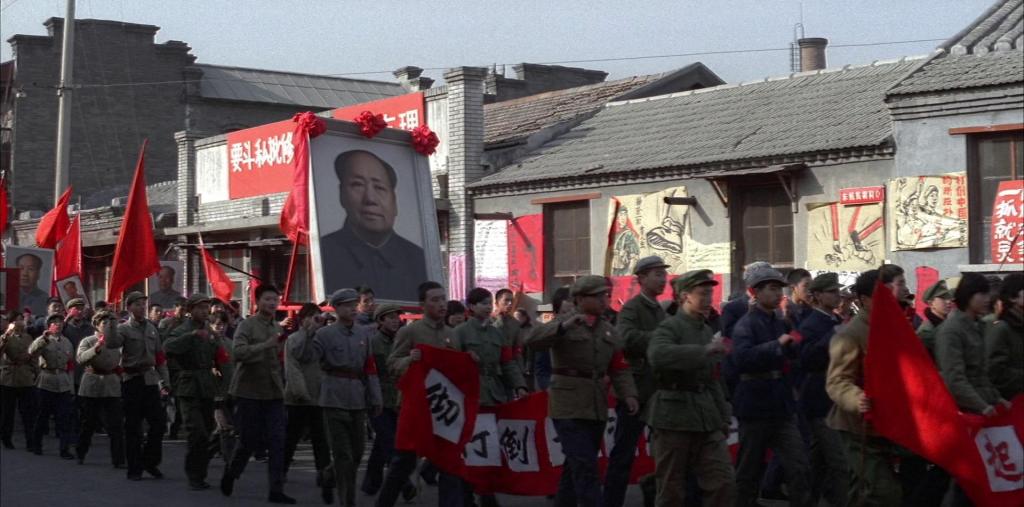
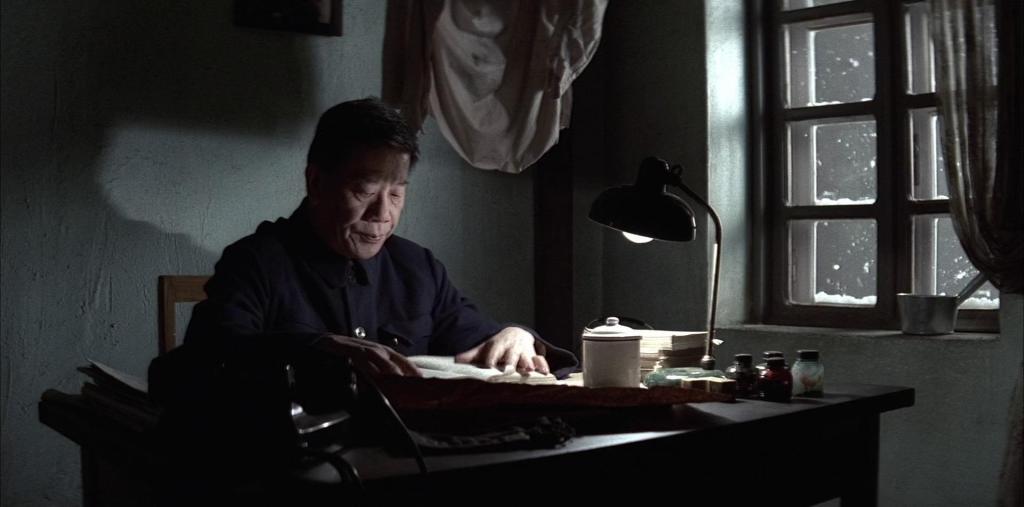
The tragedy of his relationship with his wife, his own insignificance, his fears, and his inability to adapt to any of the roles imposed upon him – except perhaps the final one, that of an elderly gardener witnessing the excesses of the Cultural Revolution – reflects the suffering of the country itself.
Visually, wide shots reflecting the immense scale of the Forbidden City further reinforce the protagonist’s isolation and loneliness. Against these monumental settings, the small figure of Puyi appears even more lost and insignificant. Bertolucci’s characteristic fascination with decadence and sensual imagery is also evident in the film. Ceremonies, costumes, and the fading splendour of the imperial court are presented with both admiration and melancholy.
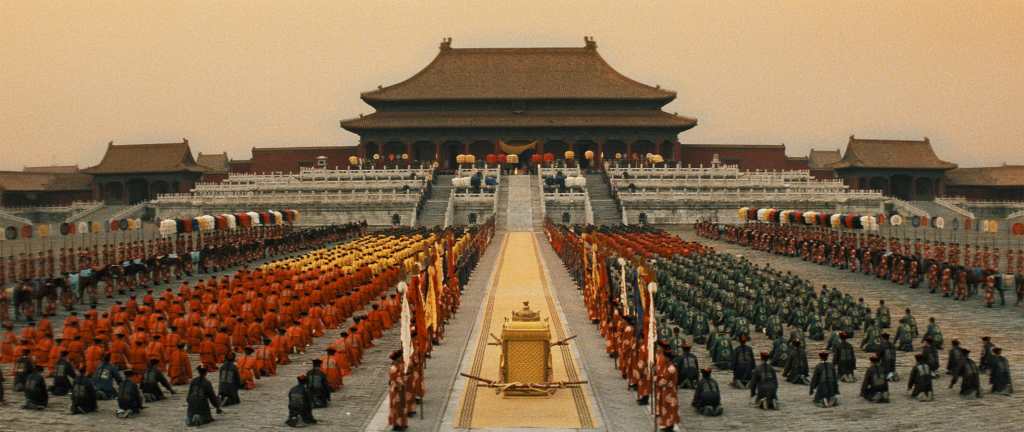
Bertolucci, whose political views were influenced by Marxism, depicts Puyi’s life in the Forbidden City as a gilded world detached from reality, emphasizing the corrupting influence of imperial privilege on the last emperor himself.
This powerful biographical film, produced in collaboration with the Chinese government, depicts an aristocracy corrupted by privilege, a critical portrayal of the Japanese occupation, and the immense historical changes that befell China and the world in the first half of the twentieth century through the life of a man caught in the millstones of history.
Although the script was based on the former emperor’s autobiography and Puyi’s brother Pujie served as a consultant, the viewer still sees history from the perspective of a European director. Bertolucci softens certain events and allows for historical inaccuracies. At the same time, however, the project – with filming inside Beijing’s Forbidden City, an Oscar-winning soundtrack featuring nine compositions by Ryūichi Sakamoto, five by David Byrne, one by Cong Su, and several pieces of source music, as well as its decadent atmosphere portraying Puyi’s life before imprisonment – continues to fascinate cinephiles and those interested in East Asian history.
The controversial life of Yoshiko Kawashima would later inspire the Hong Kong film Kawashima Yoshiko (1990), directed by Eddie Fong and starring Anita Mui.
Among European-East Asian co-productions, experimental works and cinema d’auteur occupied a significant place, including works with an erotic dimension such as the Franco-Japanese film Fruits of Passion (1981) starring Klaus Kinski and Arielle Dombasle. Nagisa Ōshima’s Max, Mon Amour (1986), written together with Jean-Claude Carrière and shot by Raoul Coutard, the cameraman behind many landmark films of the French New Wave, represents another notable example of this artistic dialogue.
The French-Canadian-Chinese drama Le Palanquin des larmes (1988) continued the tendency toward international productions and, like Niu-Peng (1989), a Chinese-French-West German project, addressed the history of the twentieth century.
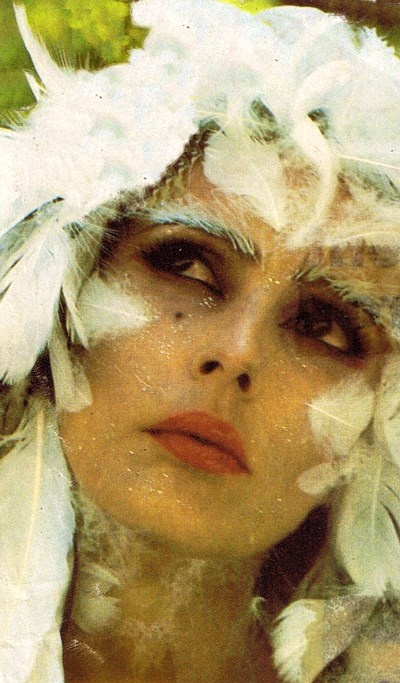
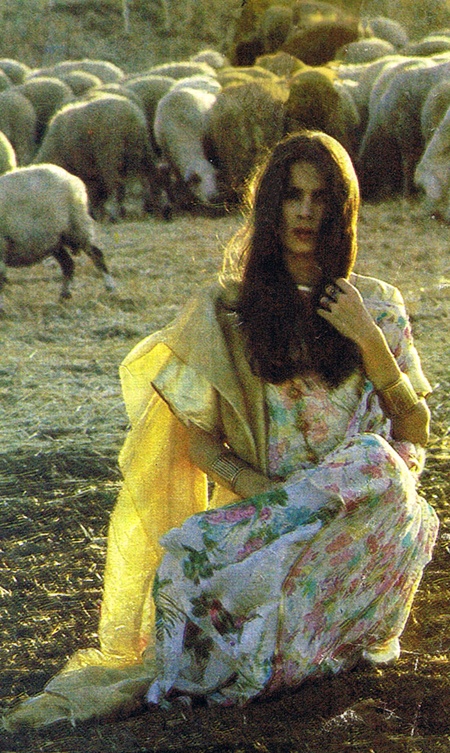
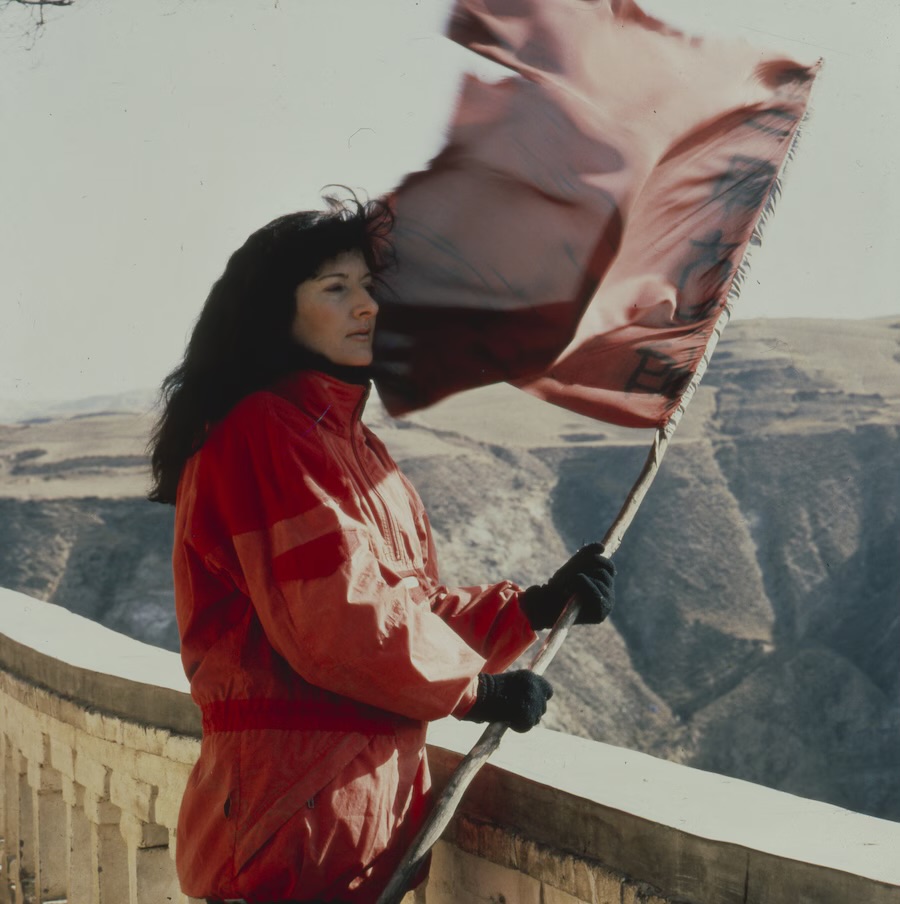
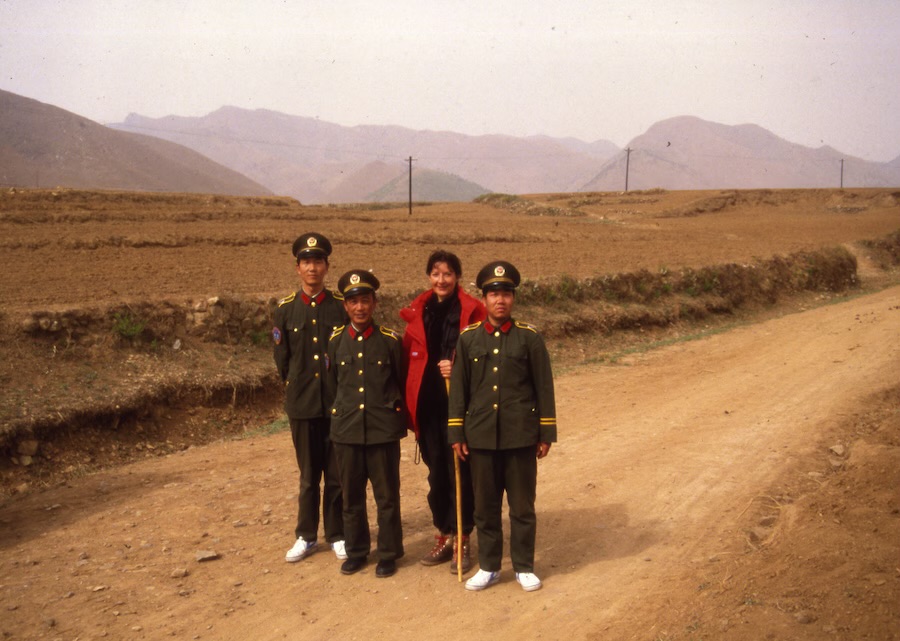
Two artistic collaborations deserve special mention: the first is the poetic and visually oriented Yume, Yume no Ato (1981), directed by Japanese designer Kenzo Takada, and the second is the documentary The Great Wall of China: Lovers at the Brink (1989) by Marina Abramović and Ulay.
Yume, Yume no Ato, now partially lost, is a highly stylised fantasy centred on a love triangle and distinguished by its strong visual aesthetics.
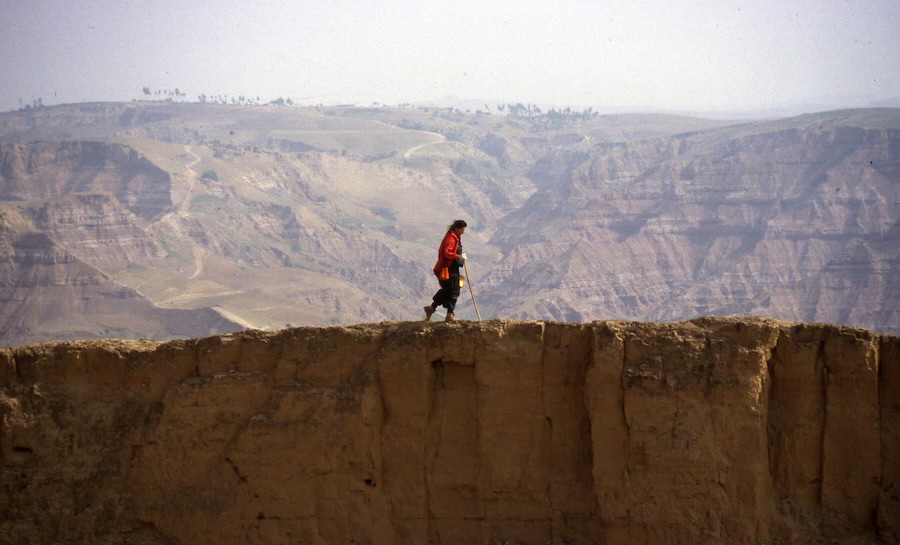
The Great Wall of China: Lovers at the Brink documents Marina Abramović and Ulay walking nearly 2,500 kilometres along the Great Wall of China from opposite ends. Simultaneously representing connection and separation, the work functions more as a performance piece than as a conventional documentary. During her journey, Abramović asked the oldest inhabitant of each village she visited to share a local legend, many of which involved dragons. Thus, the Great Wall and its principal symbol – the dragon – became the way China was refracted through Abramović’s artistic vision.
Collaborative projects of the 1980s demonstrate how the cinematic dialogue between Western Europe and East Asia was shaped by an attempt to understand both different cultures and a shared past. Historical memory, war, the position of the individual, and the relationship between the individual and society became common themes explored by filmmakers from diverse traditions.
From poetic reflections such as Hiroshima mon amour to the epic scale of Ran and The Last Emperor, these films demonstrate how artists explored shared historical experiences through the lens of different cultural perspectives. At the same time, experimental projects and works situated at the intersection of cinema, fashion, and performance expanded the possibilities of this dialogue beyond conventional filmmaking.
The collaborations of the 1980s built the foundation for even more active exchanges in the following decade. The 1990s brought new collaborations, new aesthetic influences, and a growing international recognition of East and South East Asian cinema – developments that will be explored in the next part of the West Meets East series.
Text: Julia Sumzina
All the film posters and stills as well as trailers were taken from the open sources: Criterion, ScenesStill, FILMGRAB, The Lost Media Wiki, Dazed, Fondation Gan pour le Cinéma, Arrow Video, MUBI
 LA NOTTE MAGAZINE
Leave a comment