
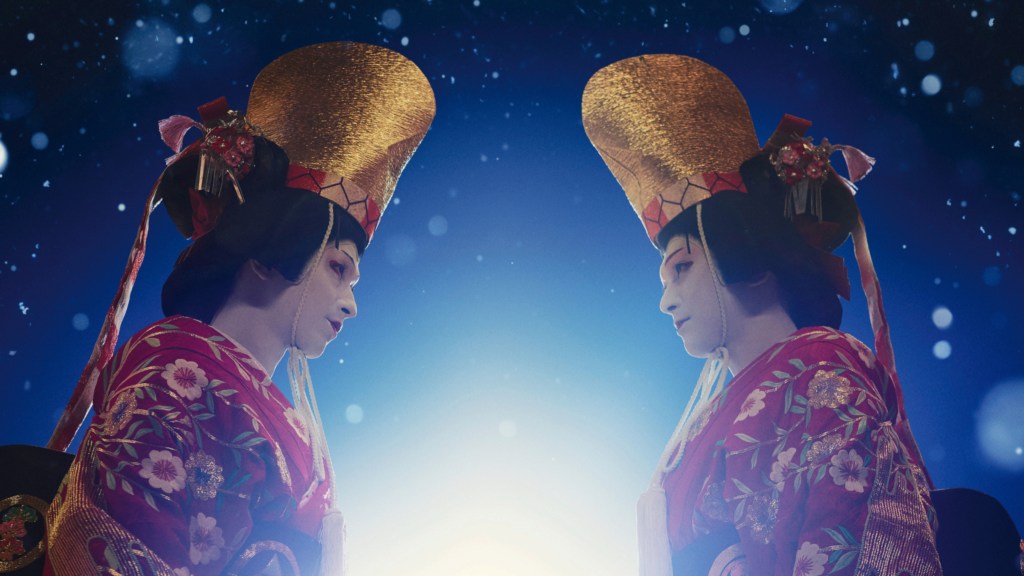
What could be more tragic and yet more ordinary than a lifelong rivalry between two kabuki actors? In Kokuho (2025), director Lee Sang-il reveals more complex nuances.
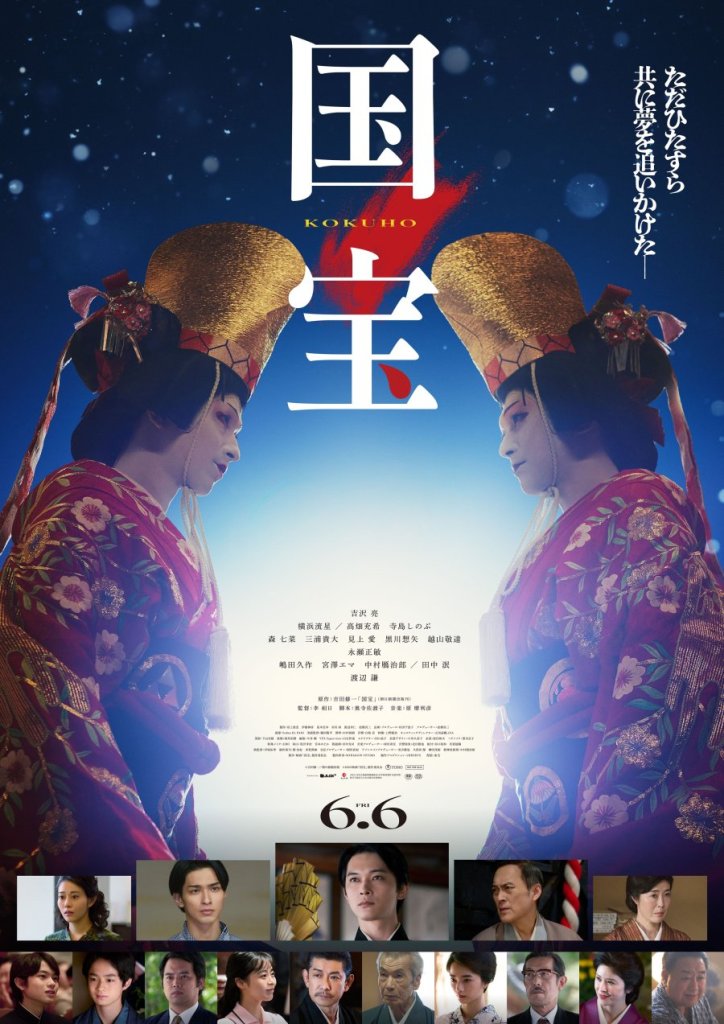
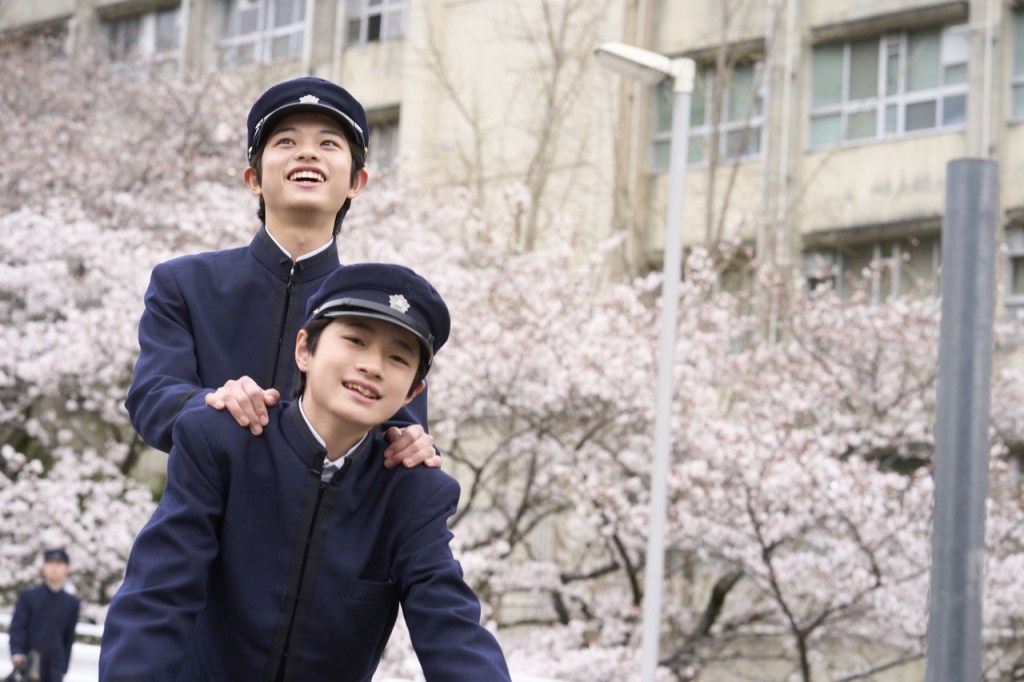
The film follows Kikuo (portrayed as a teenager by Soya Kurokawa and as an adult by Ryo Yoshizawa), the son of a yakuza whose family is murdered in 1964. By a twist of fate, he becomes the apprentice of the famous kabuki actor Hanjiro Hanai (Ken Watanabe). There he meets Hanjiro’s son Shunsuke (played as an adult by Ryusei Yokohama), who becomes his best friend and main rival.
Going through five decades, the film traces a path marked by beauty and pain, obsession and sacrifice, jealousy and uneasy affection, ultimately leading Kikuo to the title of “National Treasure.” The film is certainly reminiscent of the Hong Kong masterpiece Farewell My Concubine (1993), in some scenes and the atmosphere itself. Yet Kokuho maintains its own identity, anchored in a distinctly Japanese cultural and theatrical tradition.
Among the cast, Ken Watanabe stands out for the remarkable performance, conveying entire emotional histories through the smallest shifts of expression. Ryusei Yokohama, one of the most compelling actors of Japan’s younger generation, brings striking intensity to Shunsuke. His performance is vibrant and tragic without tipping into excess. A kind of theatrical “Harlequin”, Shunsuke is jealous and ambitious, yet never stripped of tenderness, lending the narrative bold, not at all powdery hues.
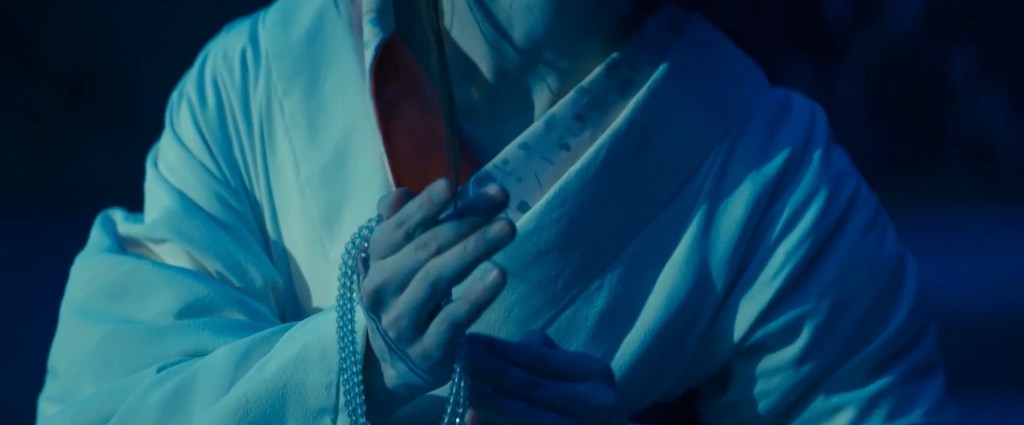
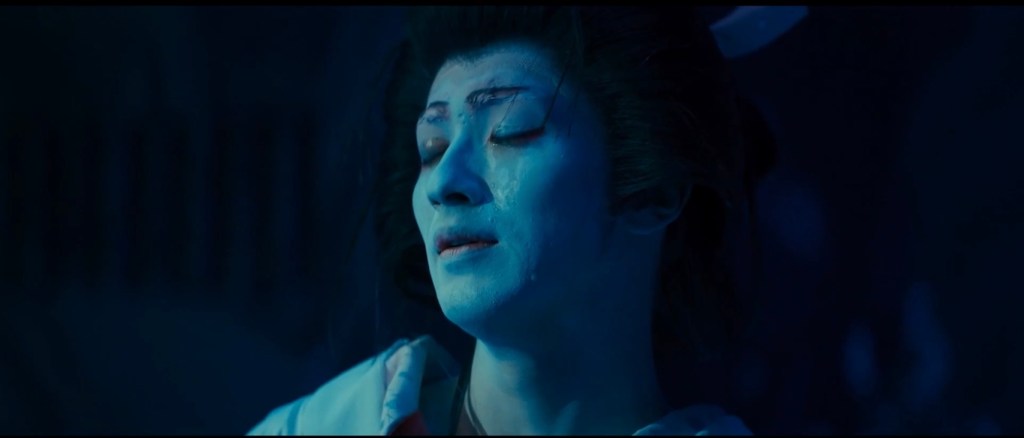
Min Tanaka, an actor and dancer, delivers a powerful performance as an aging kabuki actor. Though his screen time is limited, he approaches the role with a daring performance that borders on artistic risk, investing even the briefest moments with a sense of mortality and defiance.
Despite evident commitment, Ryo Yoshizawa’s portrayal of Kikuo occasionally feels more conventional than transformative. The arc appears designed as a transformation from the restless youth, brilliantly portrayed by Soya Kurokawa, to a man consumed by artistic ambition who claims to have “made a deal with the devil.” In that progression, the character seems to lose a degree of emotional vulnerability and sensuality.
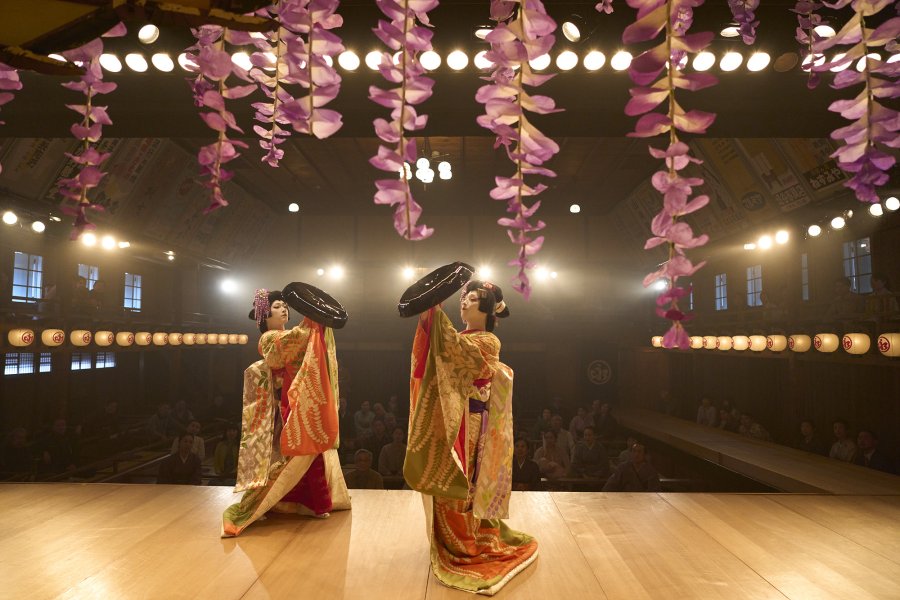
Visually, the film is striking in its attention to its “shape”: lingering close-ups capture the intricate layers of costume and the sculptural precision of kabuki make-up, while the stage sets are framed with almost reverential care. The sound design, however, may prove more divisive. Steeped in the formal conventions of kabuki, it foregrounds ritualized musical accompaniment and heightened, deliberate stage intonations, contrasted with restrained, nearly muted speech offstage.
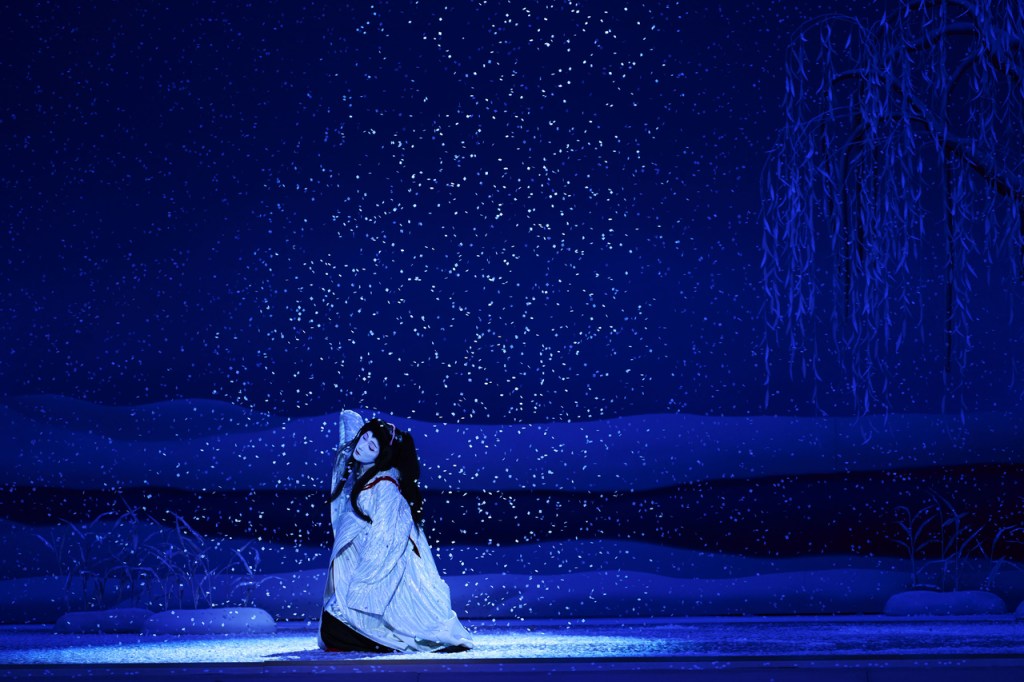
Kokuho luxuriates in the aesthetic codes of kabuki and the atmosphere of 1960s–70s Japan. Particularly amazing are the scenes from traditional theater art chosen by the filmmakers for sharing with a global audience. Kokuho ultimately serves as a meditation on ambition, tradition, and the personal cost of artistic immortality — themes that resonate far beyond the kabuki stage in the entertainment industry.
Text: Julia Sumzina
The film stills and screencaps are taken from the open sources.

 LA NOTTE MAGAZINE
Leave a comment