The idea of observing the mutual influence of Western Europe and East/Southeast Asia in the arts and media came to me some time ago. I was a bit overwhelmed by the scope of the topic and the vague time frame. Ultimately, I decided to focus on the highly curious period of the 1980s and 1990s, which aesthetics still excite consciousness and remain fashionable even a quarter of a century later. I’m planning to write a series of articles reviewing this mutual influence in fashion, film and animation, music, and theatre.
Why Western Europe? It might seem like a somewhat elusive choice, as we’re accustomed to American collaborations with Japan, China, Hong Kong, and so on, which took place in the 1980s – 2000s. However, Western European countries, led by the UK and France, are headliners in the fashion industry, they host major film festivals, and are considered the cradle of cinema d’auteur, music, and theatre. Since the 1980s, they have maintained strong ties and sustained mutual influence with East/Southeast Asia, which extends beyond, for example, the creation of action films with racy special effects.
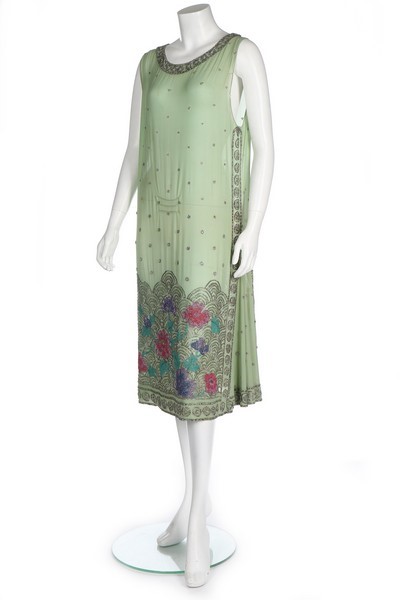
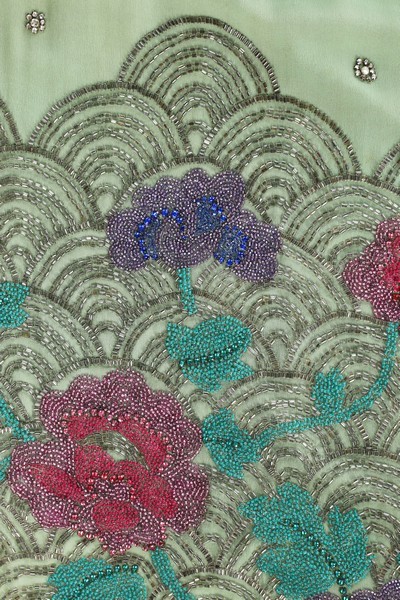
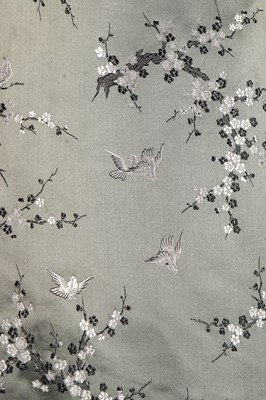

A Jean Patou couture chinoiserie beaded dress, 1922 | A Jean Patou chinoiserie brocaded satin gown, circa 1960, Kerry Taylor Auctions
I would like to start my series of articles with the field of fashion. I consider fashion and design an important form of contemporary art, as fashion combines creativity and self-expression, museum recognition, and influences the most important spheres of contemporary culture, such as cinema, theatre, and photography. Asian fashion has long been considered exotic by Europeans and was attractive to extravagant fashionistas. Beginning since the 17th century, the fashion for Chinese costume elements (Chinoiserie), including fabrics, patterns, and styles, was already widely popular. If we are talking about the 20th century, since the 1920s, in the works of Jean Patou we can see many features which came from China. Later, Christian Dior, Yves Saint Laurent, Pierre Cardin and John Galliano were inspired by, for example, the qipao* in their collections. At the same time, during the globalization of the 20th century, European fashion was successfully assimilated in Asia.
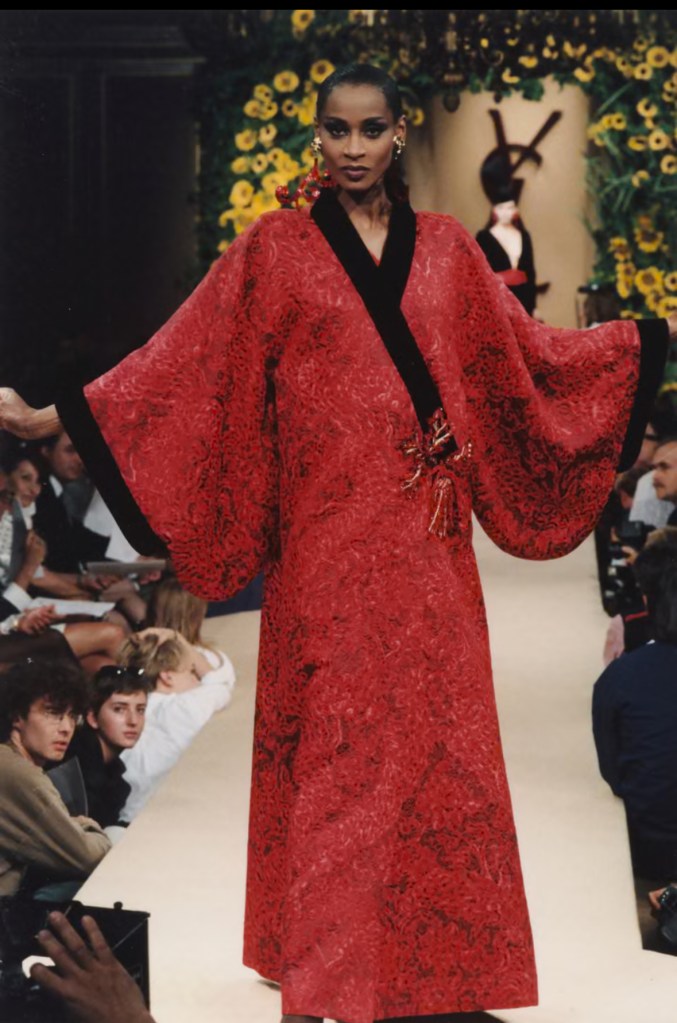

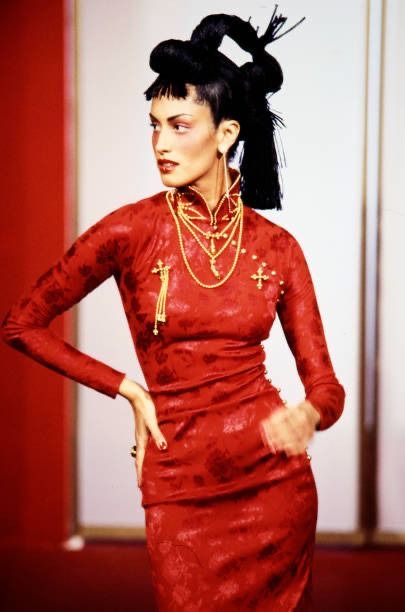
A look from Yves Saint Laurent’s 1994 haute couture collection modelled by Diana Bienvenu | Saint Laurent’s Opium illustrations | Christian Dior Runway Show RTW FW 1997 by Galliano, Paris France by Giovanni Giannoni/WWD/Penske Media via Getty Images
I believe that it is impossible to consider the time period of the 1980s – 1990s in isolation from the previous decades, especially since the careers of many iconic figures in world fashion began in the 1960s – 1970s, and the period I have chosen coincided with their heyday. Let me say, having achieved fame in the 1960s, Japanese designer Hanae Mori (1926–2022) was the first Asian woman to be admitted as an official haute couture design house by the Fédération française de la couture in France. Her first New York City collection in 1965 was aptly titled “East Meets West”, that I decided to paraphrase to name my articles series, and in 1977, she opened an haute couture showroom in Paris. That year, Princess Grace of Monaco wore a dress by Mori, with a typical for the couturier butterfly print.
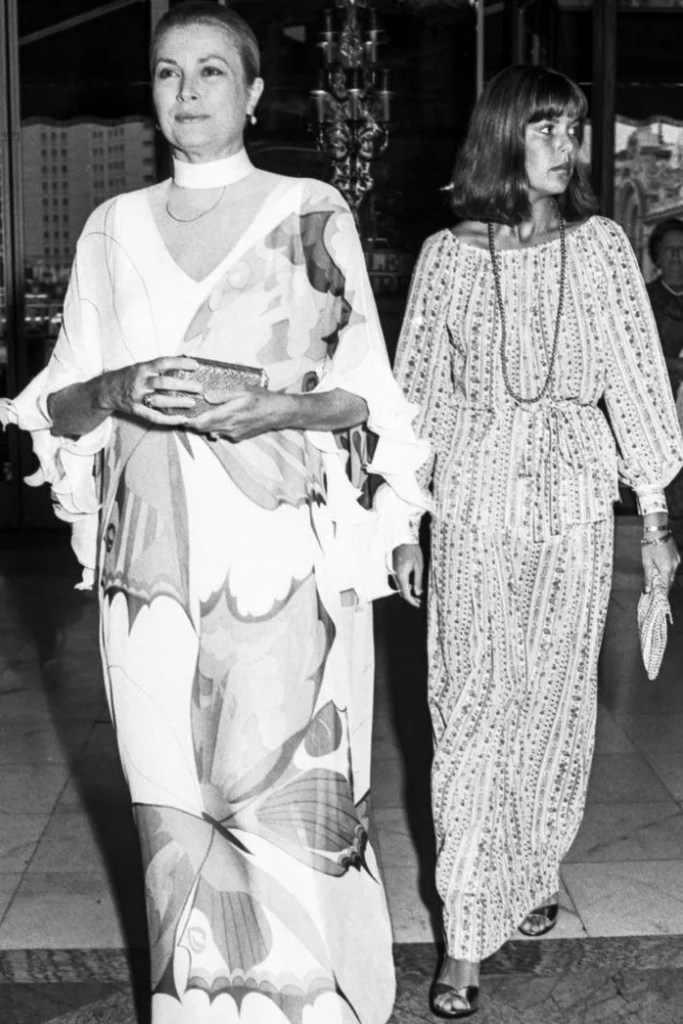

Princess Grace of Monaco – wearing Hanae Mori dress (from the S/S collection 1974) – and her daughter Caroline during the evening of the jeweller Gérard at the Hôtel de Paris in Saint-Tropez on August 8, 1977, photo by Patrice Picot | Runway photo by Pierre Vauthey
Back in the 1960s again, the future world-famous designer Issey Miyake (1938 – 2022) studied at the Chambre Syndicale de la Couture Parisienne school in Paris and was apprenticed to Guy Laroche as an assistant designer. He also worked with Hubert de Givenchy, drawing 50 to 100 sketches daily. He was inspired by both the work of Japanese artist Isamu Noguchi and the early 20th-century designs of Madeleine Vionnet. He also mentioned that he was influenced by sculptors such as Constantin Brâncuși and Alberto Giacometti. His longtime friend, Austrian-born pottery artist Dame Lucie Rie, presented him with her archival ceramic buttons, which he integrated into his designs. Issey Miyake’s long career included not only clothing collections, handbags, and the L’eau d’Issey perfume (1992), created with Jacques Cavallier, but also, very interesting for me, collaborations with ballet. In 1991, Miyake used new pleating technique to create clothing for the first performance of William Forsythe‘s new production The Loss of Small Detail for the Frankfurt Ballet.
Kansai Yamamoto (1944–2020), known for his maximalist vision, a style described as “transgressive excess” and the “opposite” of the minimalist concept of wabi-sabi, was the first Japanese designer to have a show in London in 1971. Kansai became famous for creating androgynous and futuristic stage costumes for David Bowie—most notably for his Ziggy Stardust Tour (1972–1973). His 1975 debut in Paris was followed by the opening of his Kansai Boutique in 1977. Thus, by the early 1980s, Kansai Yamamoto was already an established designer. It was in the 1980s that Kansai Yamamoto’s bomber jackets and loose-fitting sweaters with vibrant prints, combining traditional Japanese illustration genres with pop art, became iconic. Yamamoto’s last collection was shown at the end of 1992 (fall/winter season), although the designer subsequently continued to use his own eponymous brand for various licensed products. Nevertheless, in 1999, in collaboration with Junko Koshino, Yamamoto created an updated version of the kimono. Interestingly, he had previously approached traditional Japanese dress in an avant-garde manner, working with David Bowie. Thus, Kansai Yamamoto was one of the leading Japanese fashion designers, creating avant-garde and futuristic pieces inspired by the traditional style of his homeland.
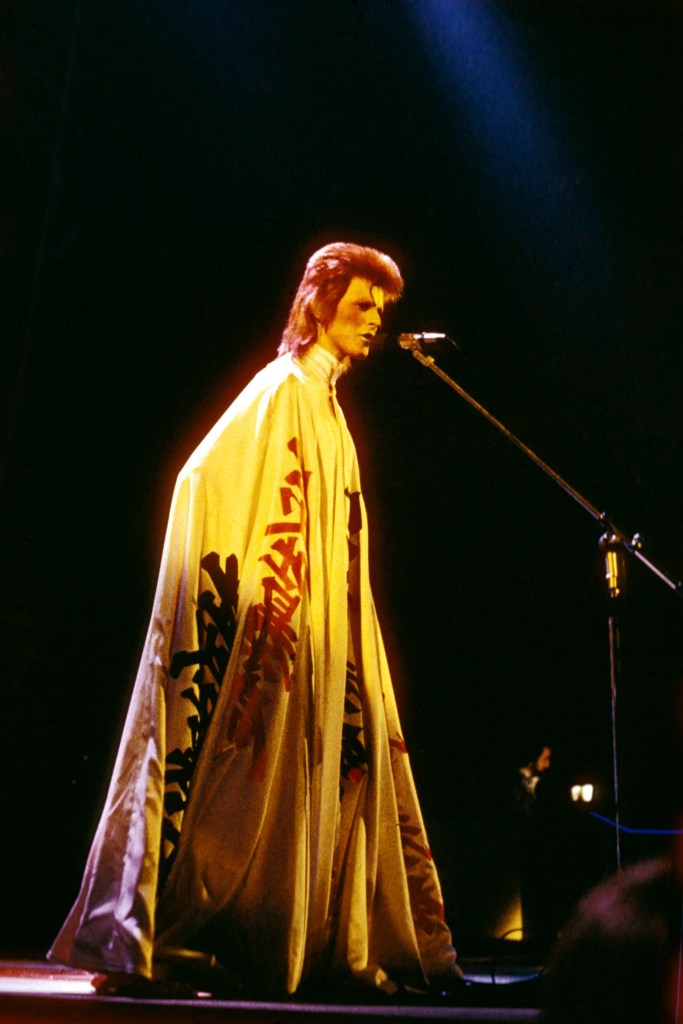
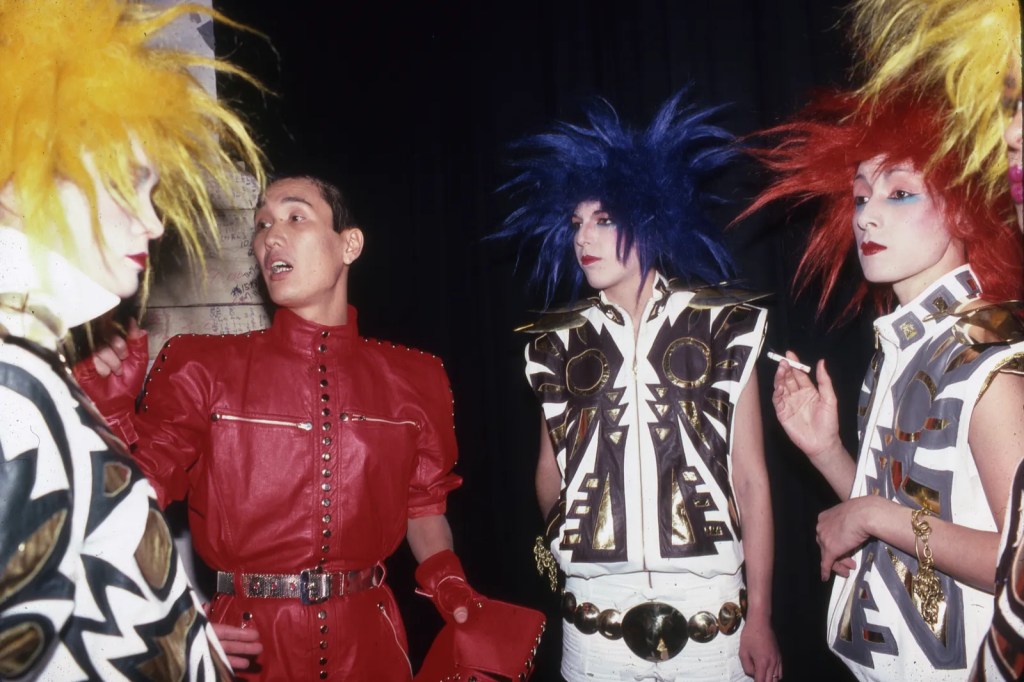

Kansai Yamamoto backstage with models in a roller rink in New York, circa 1980s. Photo: Rose Hartman | David Bowie in Kansai Yamamoto, 1973. Photo: Debi Doss | Kansai Yamamoto, fall 1984 ready-to-wear. Photo: Daniel Simon
Kenzo Takada (1939 – 2020), inspired by Paris and especially Yves Saint Laurent from his youth, had a difficult path to European recognition, but in 1970 he presented his first collection at the Galerie Vivienne in Paris. Inspired by painter Henri Rousseau, and in particular The Dream, Takada painted the interior of his shop with a jungle-like floral aesthetic; jungle motifs became a signature motif for the brand. In the 1980s, while his business was thriving, Takada experimented with releasing perfumes. His first experiment was King Kong in 1980, which he created “just for fun.” Kenzo’s fragrances became some of the most popular in the 1990s thanks to their novelty, brightness, and freshness. In my opinion, they were perfectly suited to an era when elegance was no longer boring and rebellion became elegant. In 1988, his women’s perfume line began with Kenzo de Kenzo (now known as Ça Sent Beau), Parfum d’été, Le monde est beau, and L’eau par Kenzo,with its combination of mint, mandarin, and lilac, gradually turning into a sweet floral combination with a hint of pepper and unfolding into a vanilla-musk cocktail. Kenzo pour Homme was his first men’s perfume (1991). FlowerbyKenzo, launched in 2000, was listed by Vogue’s website as one of the best classic French perfumes of all time.


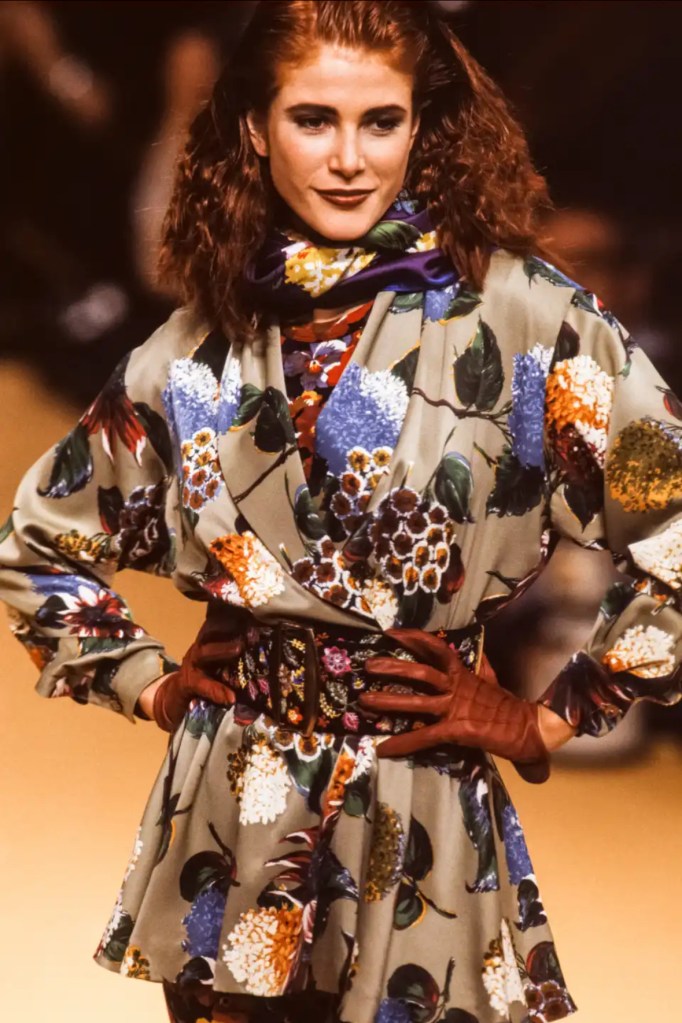
Kenzo’s autumn/winter 1981 catwalk, in Paris. Photo: Daniel Simon | Kenzo’s 1983 collection featuring a colour-blocked kimono. Photo: Daniel Simon | Model and actor Angie Everhart on the Kenzo autumn/winter 91 catwalk in Paris. Photograph: Victor Virgile
The Comme des Garçons boutique opened in Paris in 1982. The brand’s founder, Japanese designer Rei Kawakubo (born 1942), became known for creating anti-fashion, austere, and sometimes deconstructed garments. The graphic, black-and-gray palette of her designs challenged the mass adherence to color, glitter, and glamour. At the time, her debut Paris fashion show was labeled “Hiroshima chic” by journalists. Her work is heavily influenced by punk ideology and aesthetics, which has been evident since her early “Destroy” collection in 1982. Since the late 1980s, Rei Kawakubo’s color palette has expanded, but her style continued to provoke, and Comme des Garçons still remains a brand with an idea, a brand with a statement.
Yohji Yamamoto (born 1943), considered a master tailor, is widely known for his avant-garde tailoring featuring Japanese design aesthetics. Since his Paris debut in 1981, his name has been synonymous with the color black and loose tailoring. Notable is the long-standing friendship and collaboration between Yamamoto and the legendary dancer and choreographer Pina Bausch, which lasted from the early 1980s, when Bausch first wore Yamamoto’s avant-garde costumes for her performances at the Tanztheater Wuppertal, until her death in 2009. Yamamoto’s silhouettes and unique fabric choices enhanced the emotional appeal of Bausch’s neo-expressionist choreography. In 1998, they celebrated the 25th anniversary of the Tanztheater Wuppertal by showcasing the development of their collaboration in a series of productions that focused on Yamamoto’s work. This partnership continued, culminating in the choreographer’s photograph (by Japanese photographer Yasuo Matsumoto) appearing on the cover of Mr. High Fashion issue #110 in October 2002. This creative duo inspired me to create this series of reviews, as human interactions are often decisive in cultural exchange. Yohji Yamamoto continues to this day, creating collections and being a living legend in the world of fashion.
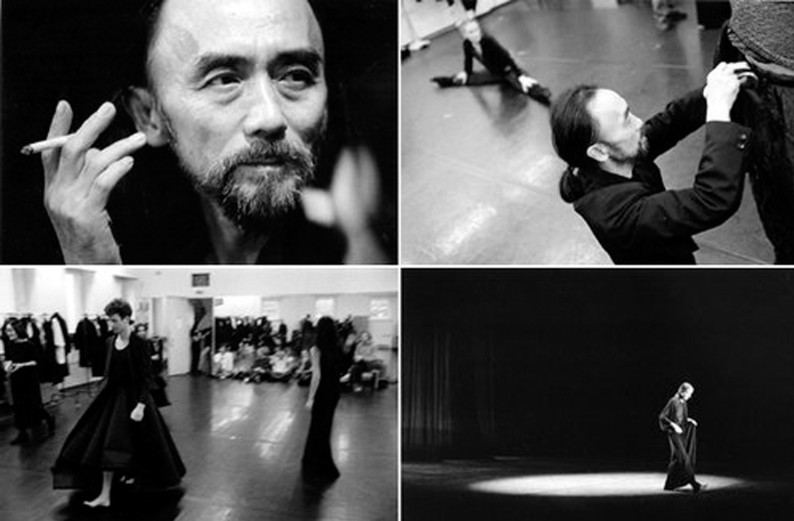
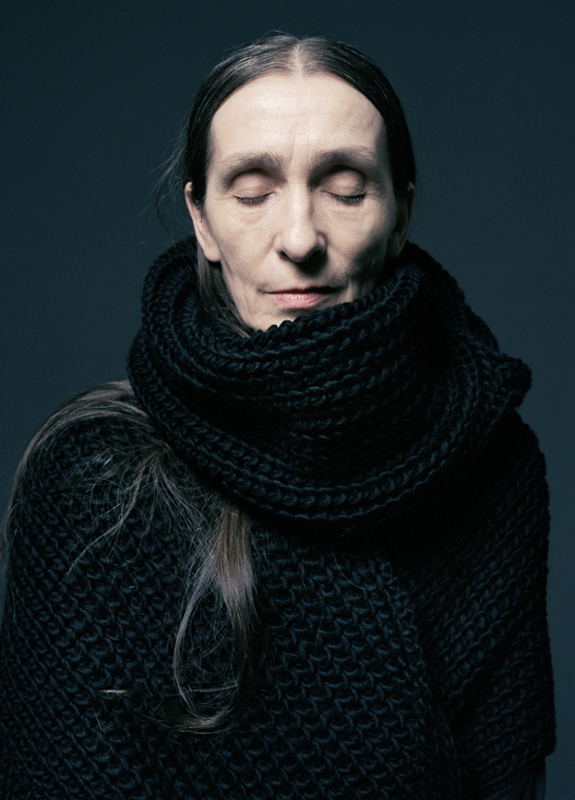
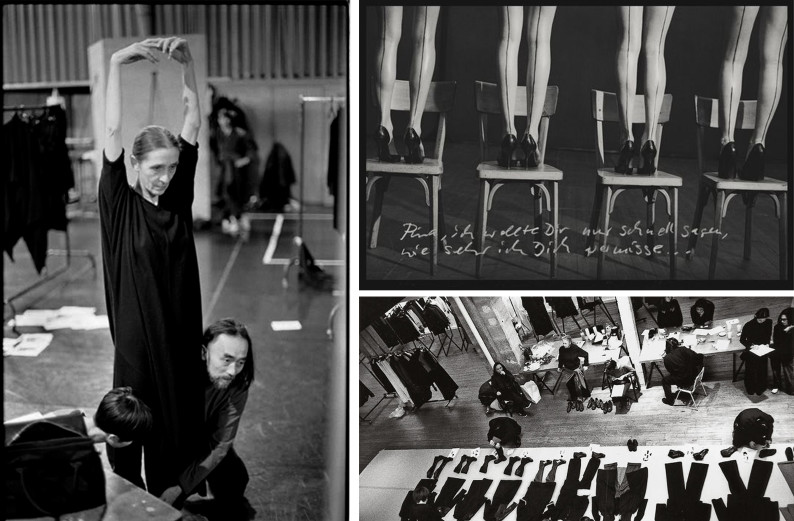
Yohji Yamamoto and Pina Bausch’s working process | Pina Bausch by Yasuo Matsumoto
As we can see, Japan dominated the Asian fashion scene at the end of the 20th century, but let’s also take a look at some interesting individuals from South Korea who managed to bring elements of their culture to European catwalks. In 1966, André Kim (1935 – 2010) became the first South Korean to hold a fashion show in Paris, yet he remained an iconic designer largely within the Asian continent. In March 1993, South Korean designers Lee Shin-woo (born 1941) and Lee Young-hee (1936 – 2018) made their Paris debuts. Lee Shin-woo showcased his signature avant-garde designs. Lee Young-hee’s collection was acclaimed for its incorporation of Western-style clothing, incorporating the lines and colors of hanbok, traditional Korean clothing. Later that year, Jin Teok (born 1934), known as the “godmother” of the Korean fashion world, joined them in Paris, presenting simple, elegant designs infused with a unique Korean aesthetic. They became the first generation of Korean designers to show their collections in Europe, paving the way for contemporary Korean designers to go West.
Another interesting example of an Asian born designer who works in the West is Vivienne Tam (born 1957). Born in China but moved to Hong Kong with her family at the age of three, she built her career in the United States but also Tam was an active participant in Paris’s fashion scene during the 1990s. This period saw Vivienne Tam achieve significant success with her fusion of Eastern imagery, such as Buddhist and Kuan Yin motifs, and Western silhouettes. Her “Mao Collection”, released in Autumn/Winter 1995, was a landmark event, featuring portraits of Mao Zedong in pop art and comic book styles.

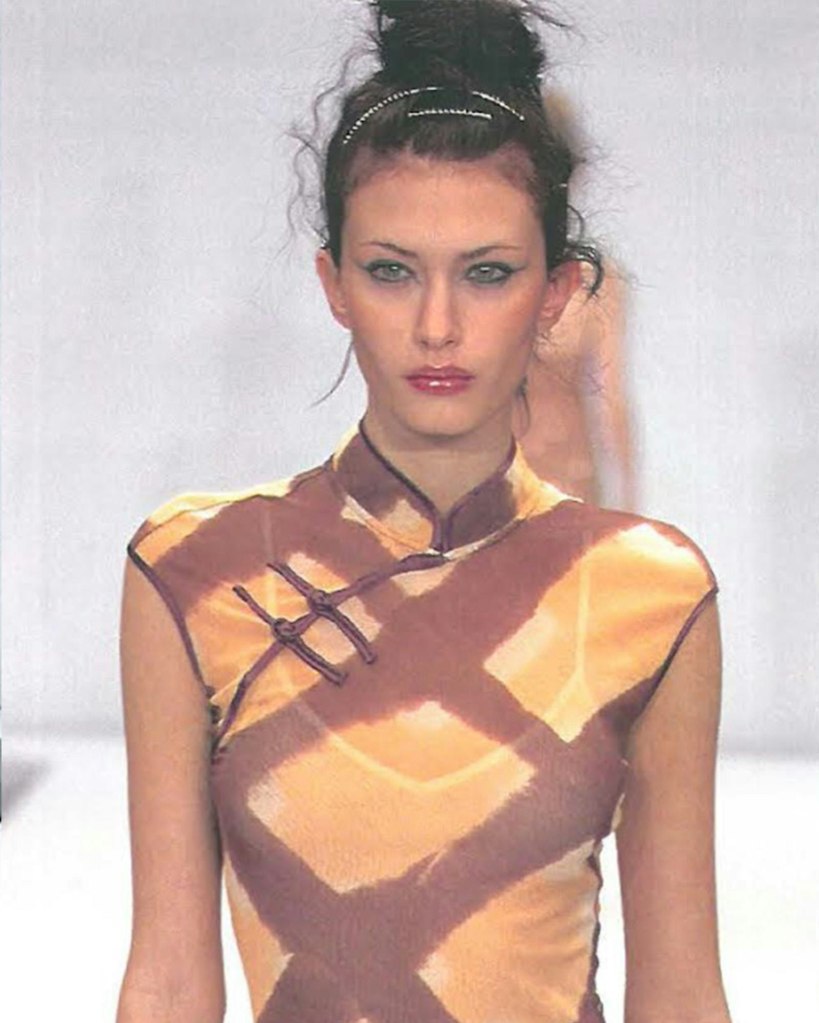
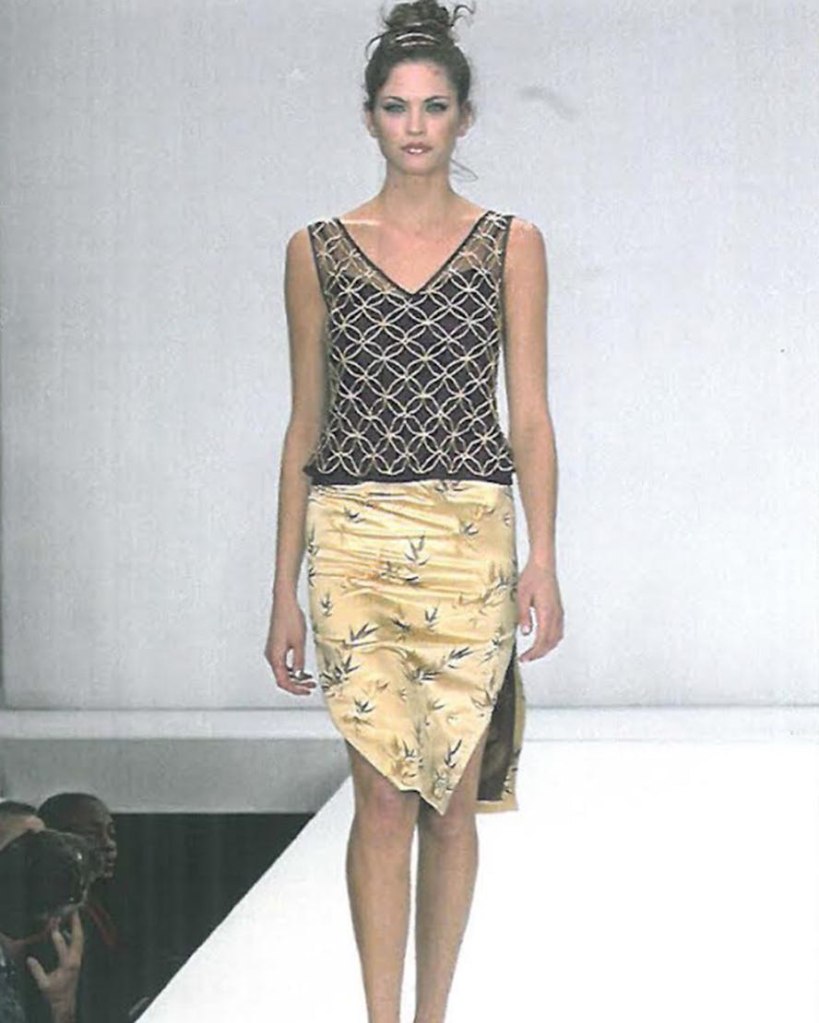
Vivienne Tam’s designs, 1990s
In my opinion, it is impossible to consider fashion without the names of famous models who attracted public attention to designers’ collections on the catwalks and in the pages of glossy magazines. Let’s start with 1970s again… Model Sayoko Yamaguchi (1949 – 2007) burst onto the international fashion scene in the 1970s. Debuting in Paris in 1972, she was one of the first Asian models to be featured in the world’s top fashion shows and magazines. Sayoko Yamaguchi participated in European fashion campaigns and shows for designers such as Kansai Yamamoto and Issey Miyake. After retiring from modeling, she continued her career as a film and theater actress, as well as a costume designer.
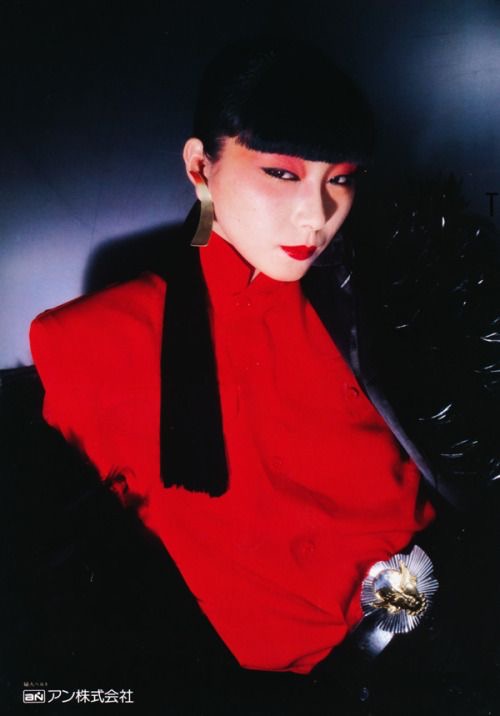
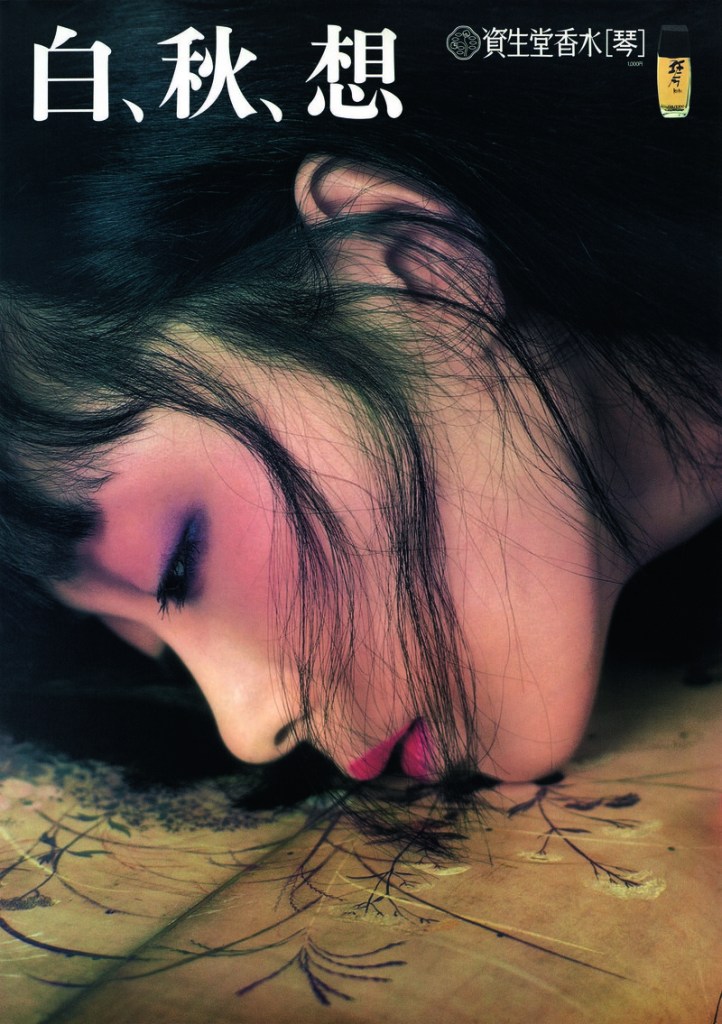
Sayoko Yamaguchi for Kansai Yamamoto, 1981 and for Shiseido Koto fragrance, 1982. Photos: Noriaki Yokosuka
Filipino model Anna Bayle (born 1956) is known as the first Asian supermodel. From the late 1970s until her retirement from modeling in 1994, she was featured in numerous fashion books, such as Thierry Mugler, Chanel, Scaasi, Valentino, Versace, YSL, Dior, and Fashion Illustrations by Antonio Lopez. Her runway appearances for Chanel, YSL, and other haute couture giants are still considered iconic, and her Versace’s runways continue to captivate contemporary content creators.
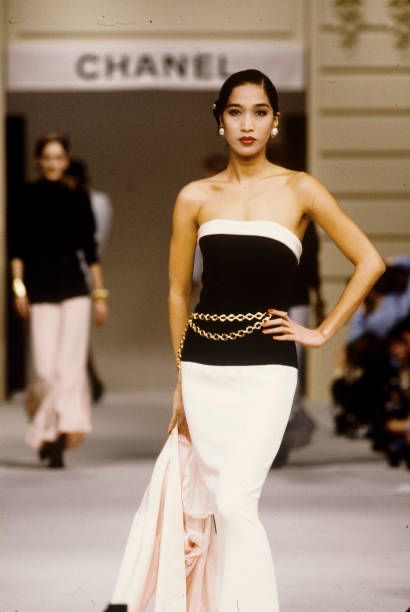
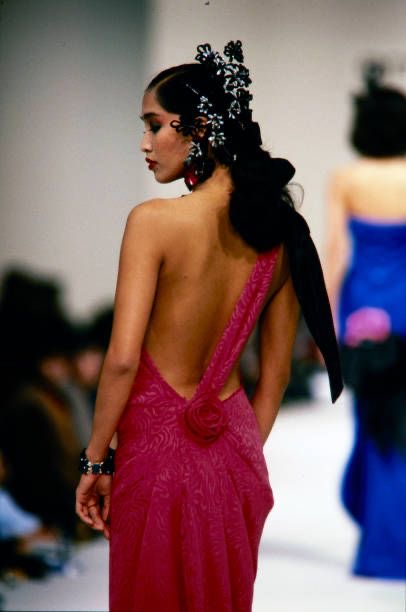
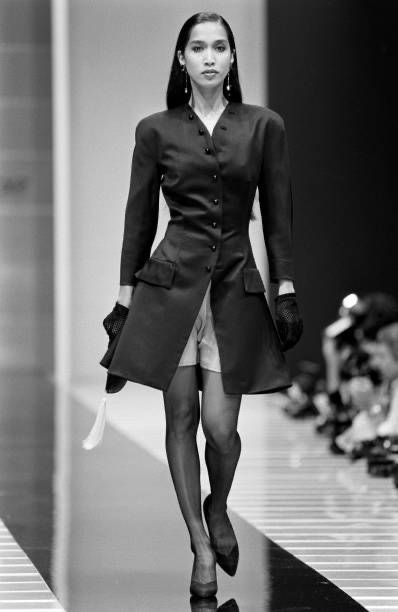
CHANEL Runway Show RTW F/W 1985 by Lagerfeld | EMANUEL UNGARGO Runway Show Prêt-à-Porter S/S 1985 | GIANNI VERSACE Runway Show RTW S/S 1988
Ling Tan (born 1974) is a Malaysian-born model of Chinese descent who has worked with many top designers, including Giambattista Valli, Elie Saab, Karl Lagerfeld, Yves Saint Laurent, Tom Ford, Emporio Armani, Donna Karan, and Chanel. Her photographs (along with Mika Hatsushima and Ayumi Tanabe) by Steven Meisel have appeared in Vogue Italia, and she also graced the cover of Vogue Germany in November 1998.

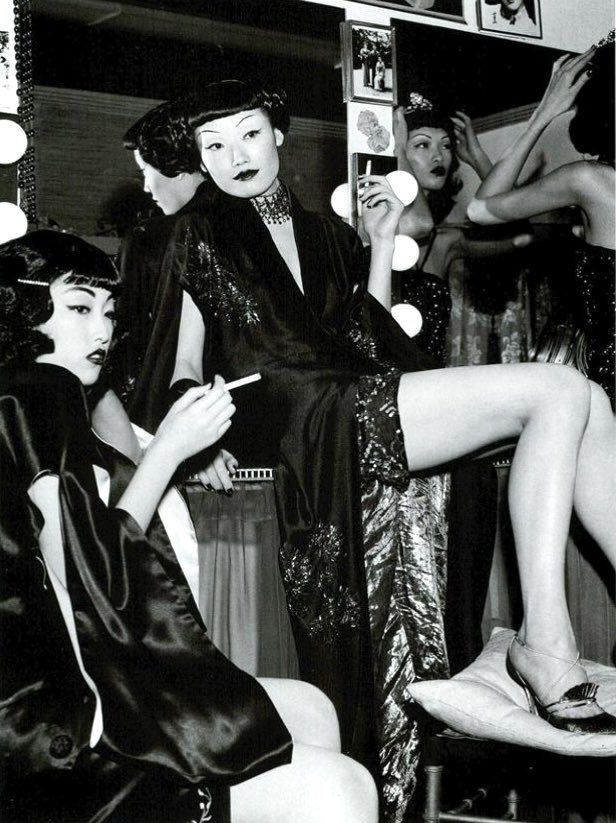
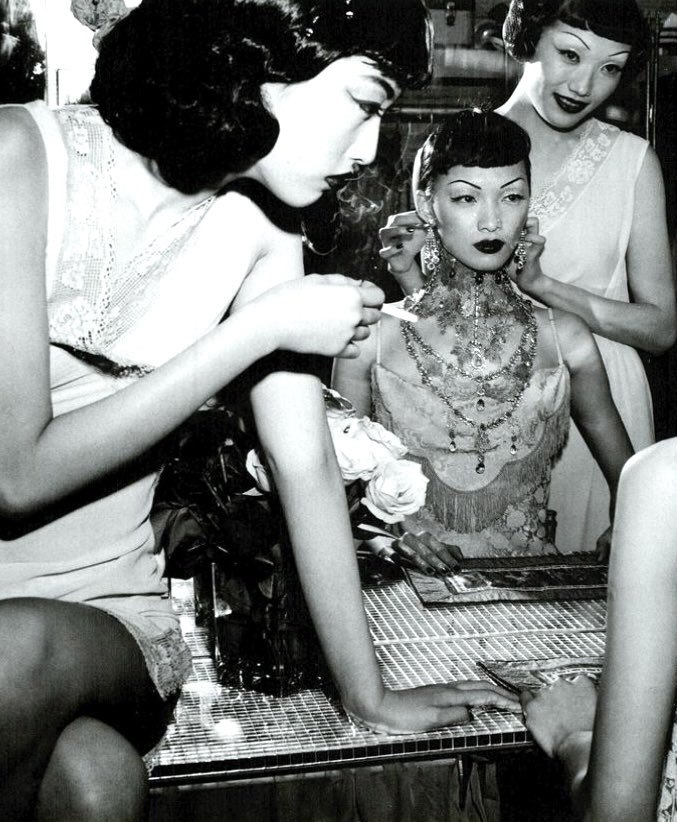
Mika Hatsushima, Ayumi Tanabe and Ling Tan, Roseland Ballroom, New York City, Vogue Italia, May 1998
I think these photographs very successfully reflect the aesthetics that attracted and still attracts both Asian and European artists with its mixed mood of the anxious, decadent and beautiful era of the 1930s – 1950s.

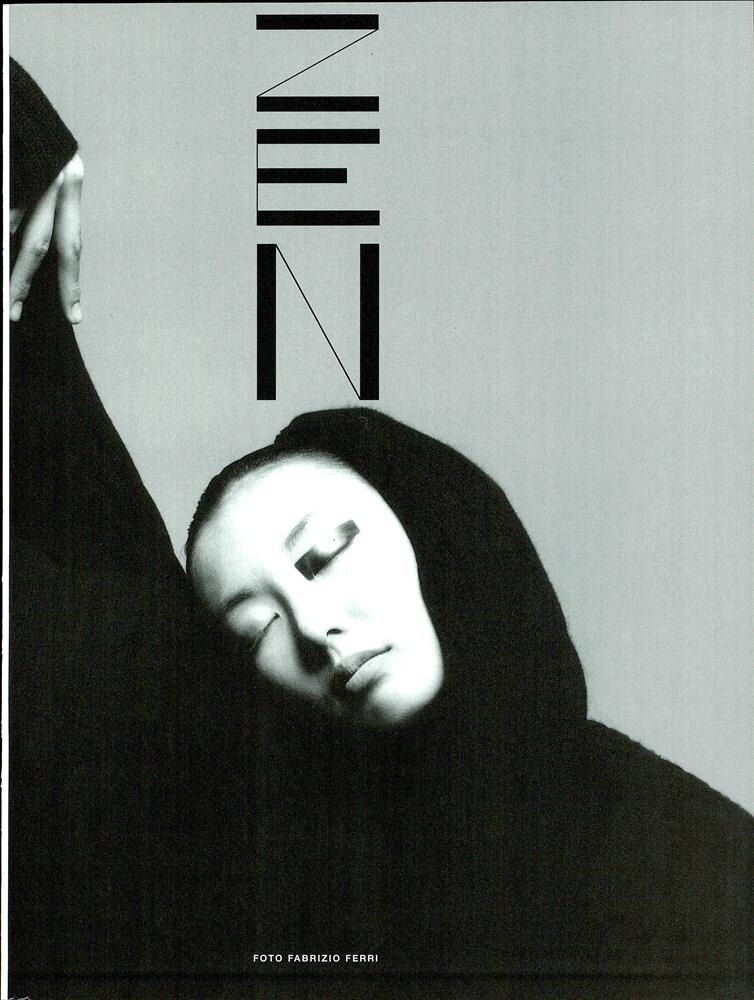

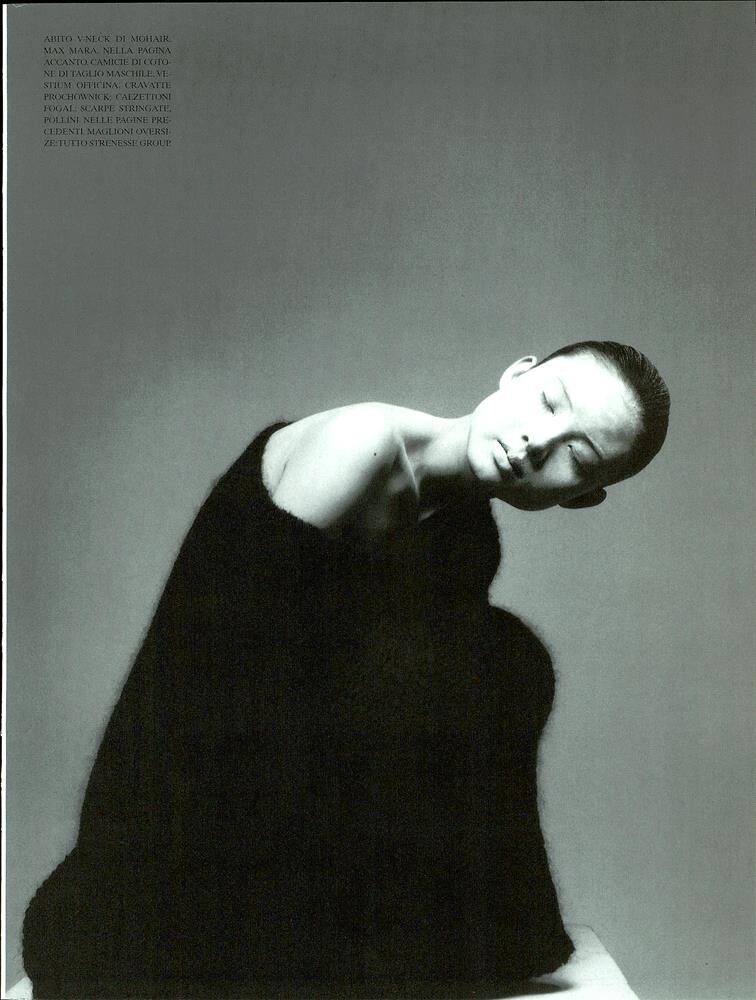
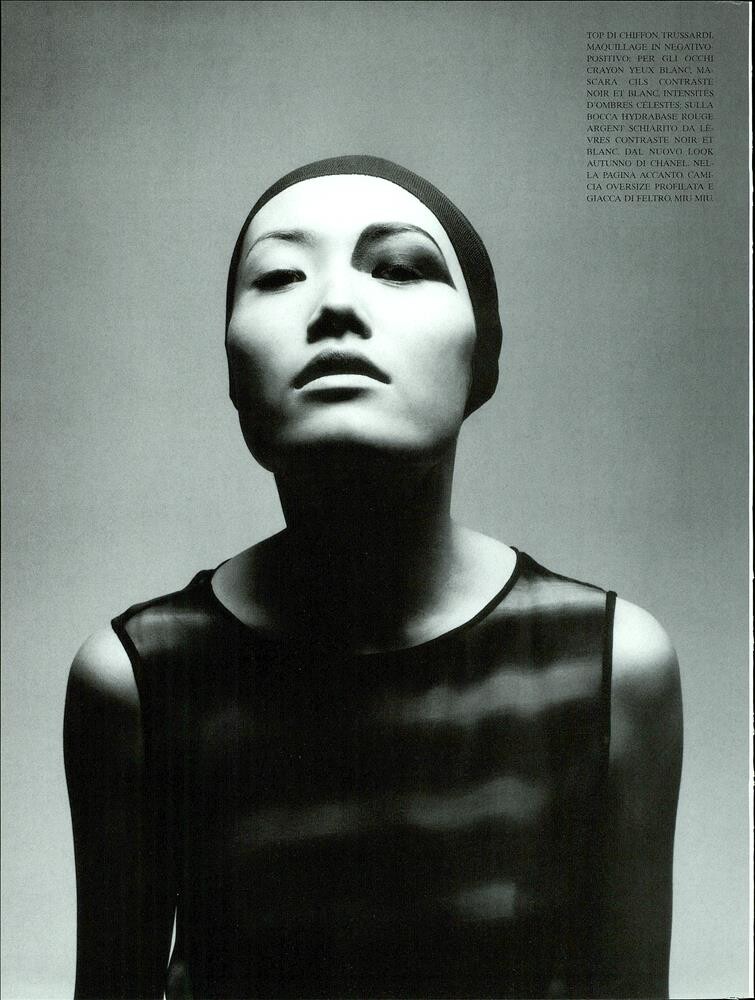
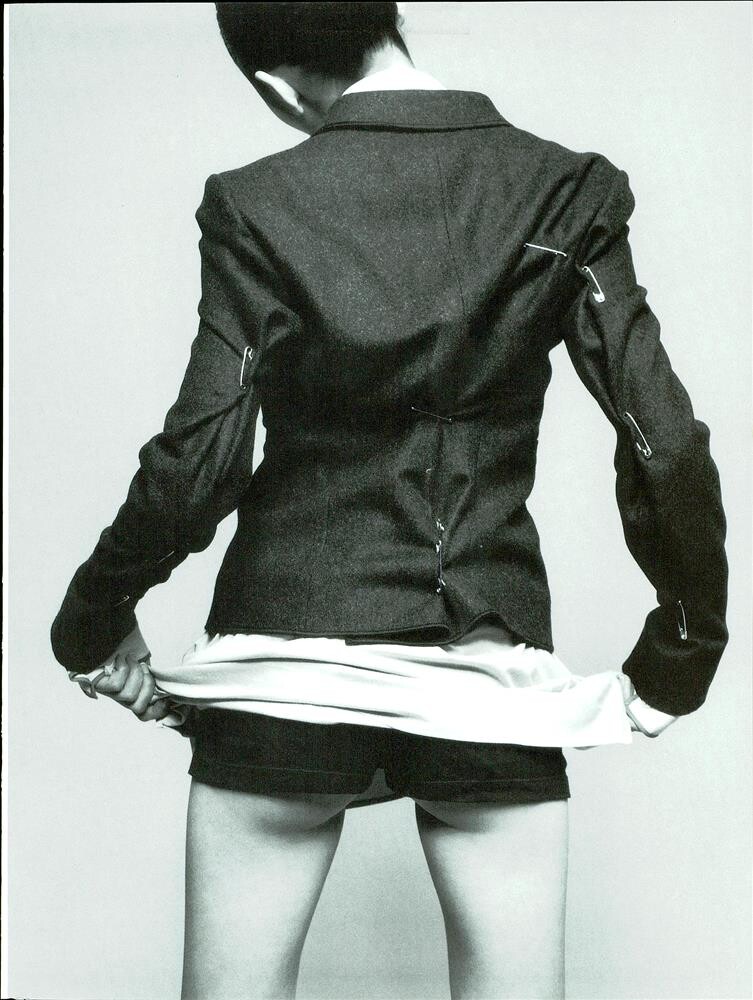
Vogue Italia August 1997, Mika Hatsushima, Kazuyo Hino and an unknown model by Fabrizio Ferri
In the late 1990s, Vogue Italia periodically worked with Asian models, primarily Japanese. For example, this shoot from Vogue Italia August 1997 features Mika Hatsushima, Kazuyo Hino, and, unfortunately, an unknown model.
At the very end of the period I chose, one of the most interesting and inspiring collaborations for me happened. An icon of late 20th-century Asian art, actor, singer, one of the founding fathers of Cantopop, and a symbol of Hong Kong cinema in the 1980s and 1990s, Leslie Cheung (1956 – 2003) was bound to become a muse for designers. Jean-Paul Gaultier (born 1952) created a series of costumes for Leslie Cheung’s 2000 concert tour, incorporating bold androgynous features, ethnic motifs, and even ancient Egyptian ones. Gaultier transformed Cheung from angel to devil, creating seamlessly alternating outfits throughout the series.
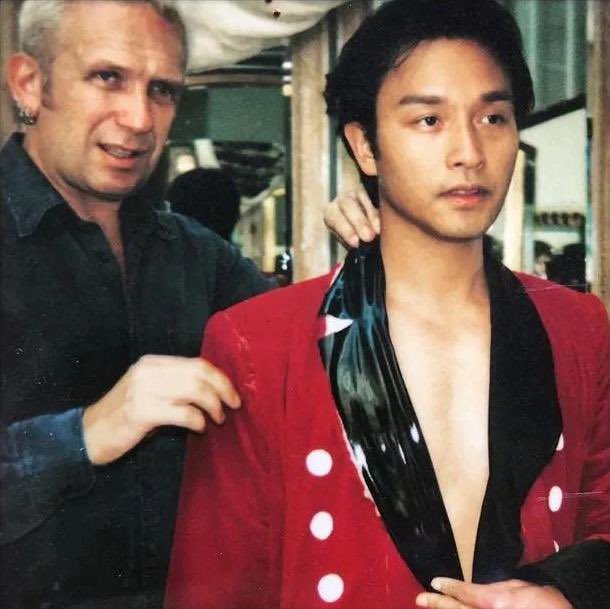

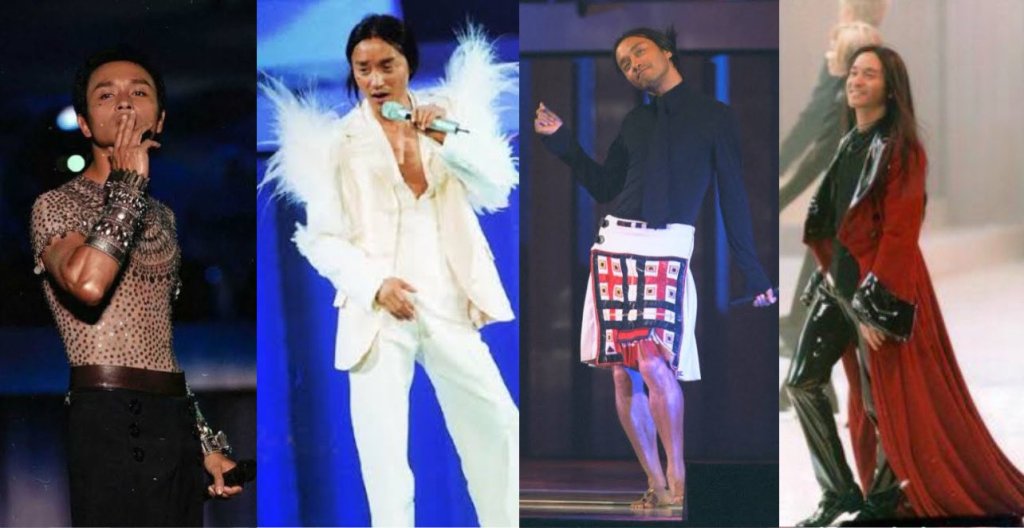
The set of costumes that Jean Paul Gaultier designed for Leslie Cheung’s Passion Tour. Photo: Handout
In closing, I’d like to point out that it’s impossible to cover the 1980s and 1990s without touching on the vast period that preceded it and noting the powerful foundation it laid for the subsequent two and a half decades. It’s now impossible to imagine major European fashion shows without Asian designers, models, and A-list Asian celebrities as guest faces of the brand: actors, actresses, musicians, and bloggers such as Wang Yibo from China, Jackson Wang from Hong Kong, Jennie Kim and Cha Eunwoo from Korea, Lalisa Manobal, Apo Nattawin, and Mile Phakphum from Thailand, Ryusei Yokohama from Japan, and many other Asian celebrities have become symbols of the globalization of fashion.
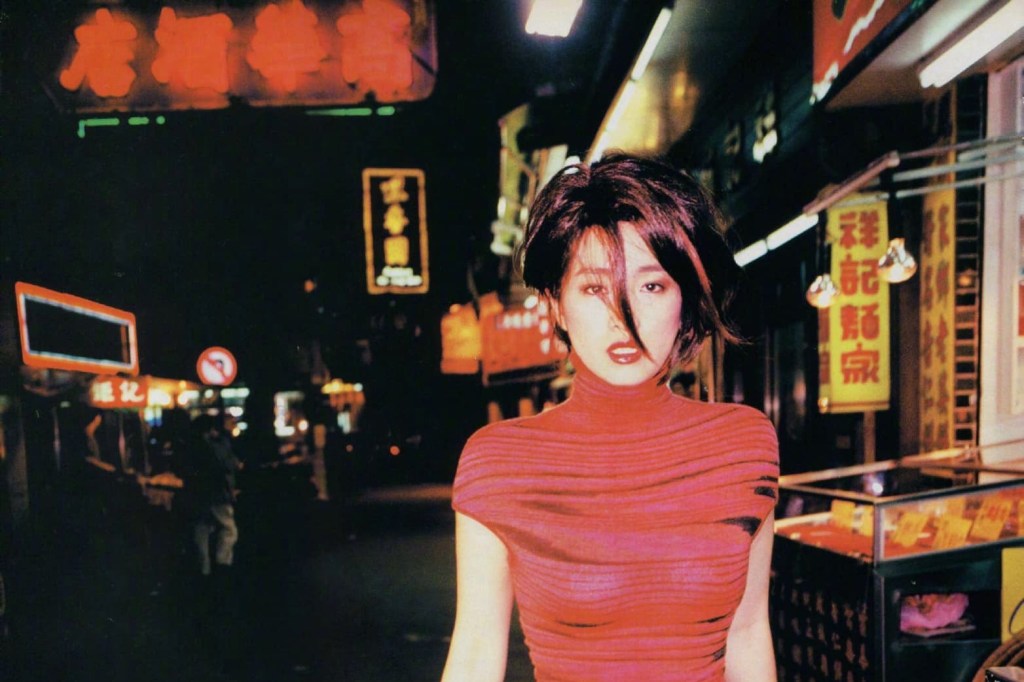
I would like to conclude my review, which of course only includes the main figures and trends, the mutual influences between Western Europe and East/Southeast Asia in the field of fashion, with the beautiful photographs of Gong Li (born in 1965), a Chinese actress who won the love of not only European audiences and critics at major film festivals, but also fashion magazines, for Vogue Paris in 2001.

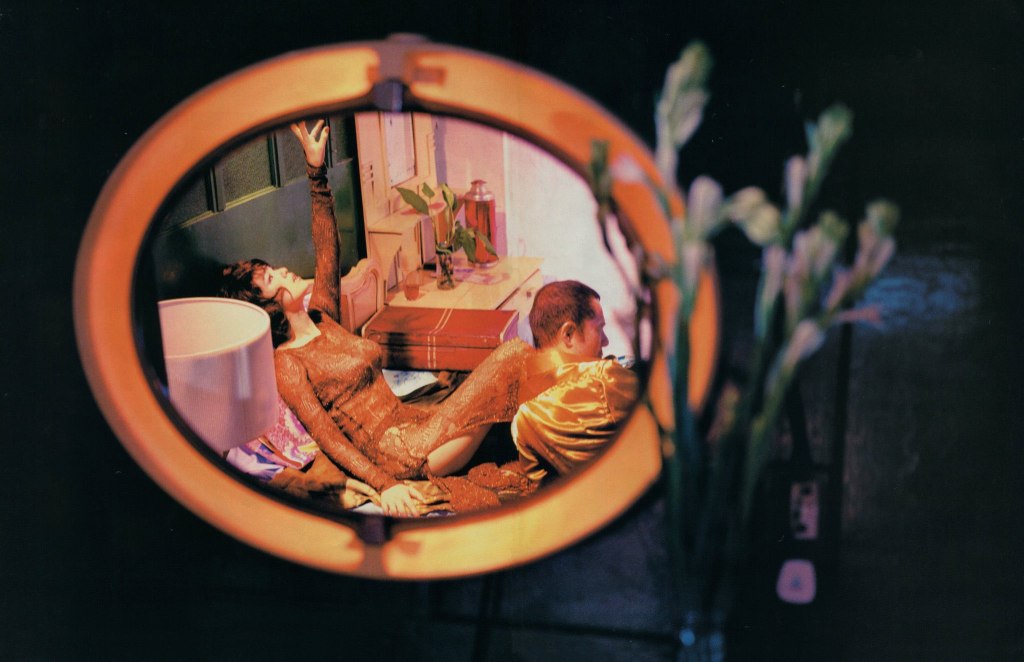
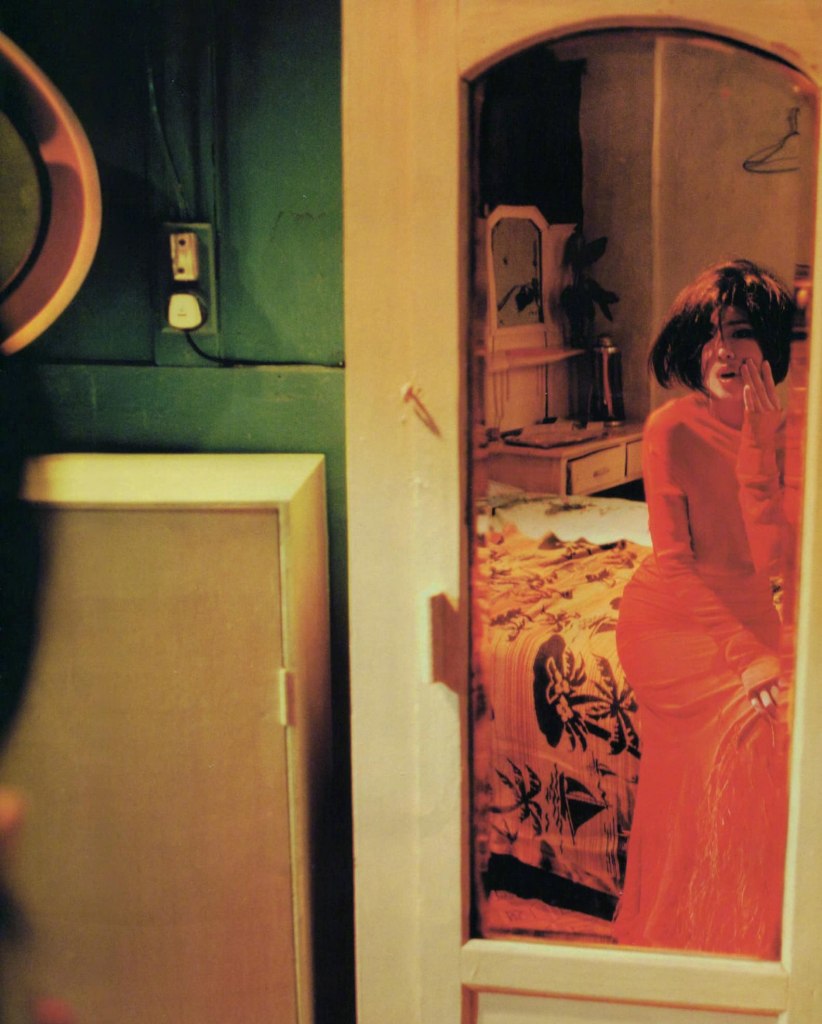
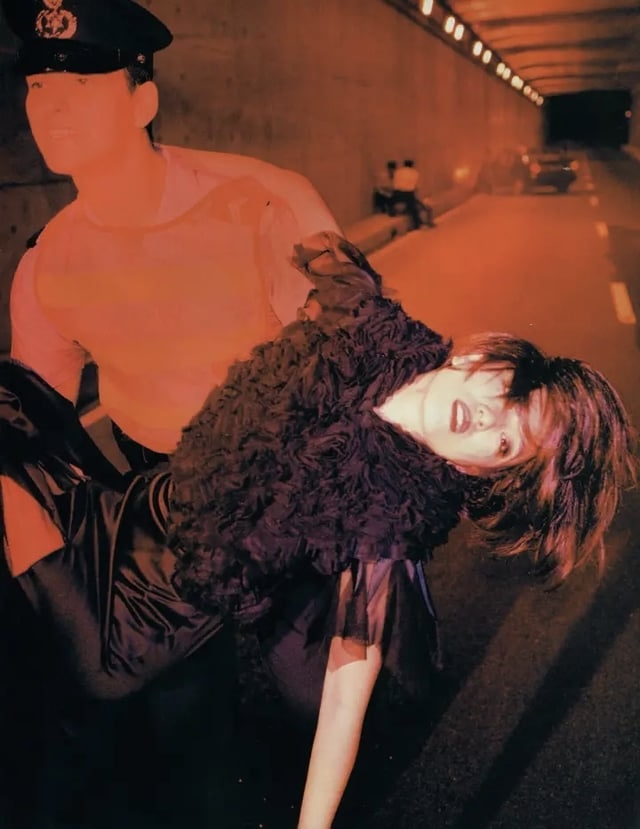
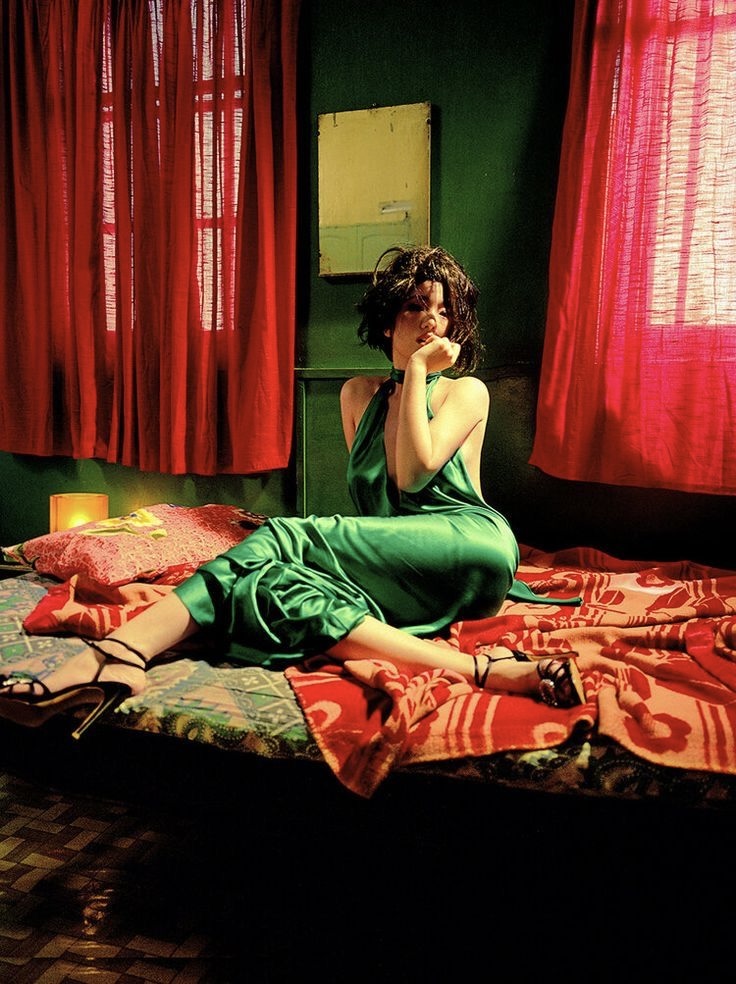

Actress Gong Li for Vogue Paris September 2001, inspired by A Streetcar Named Desire directed by Wong Kar-Wai and Photographed by Wing Shya.
Text: Julia Sumzina
Photos and videos: The Guardian, Getty Images, Vogue.com, Vogue Italia, My Clothing Archive, Fashion Roadman, Fashion Channel, South China Morning Post, matsumotoyasuo.com, open sources
 LA NOTTE MAGAZINE
Leave a comment